

Understanding and Experiencing the Famous Hospitality Culture of Morocco
Estimated reading time: 5 minutes
- Moroccan hospitality is deeply rooted in tradition, characterized by generosity and warmth.
- Experiencing Moroccan hospitality often includes the mint tea ceremony.
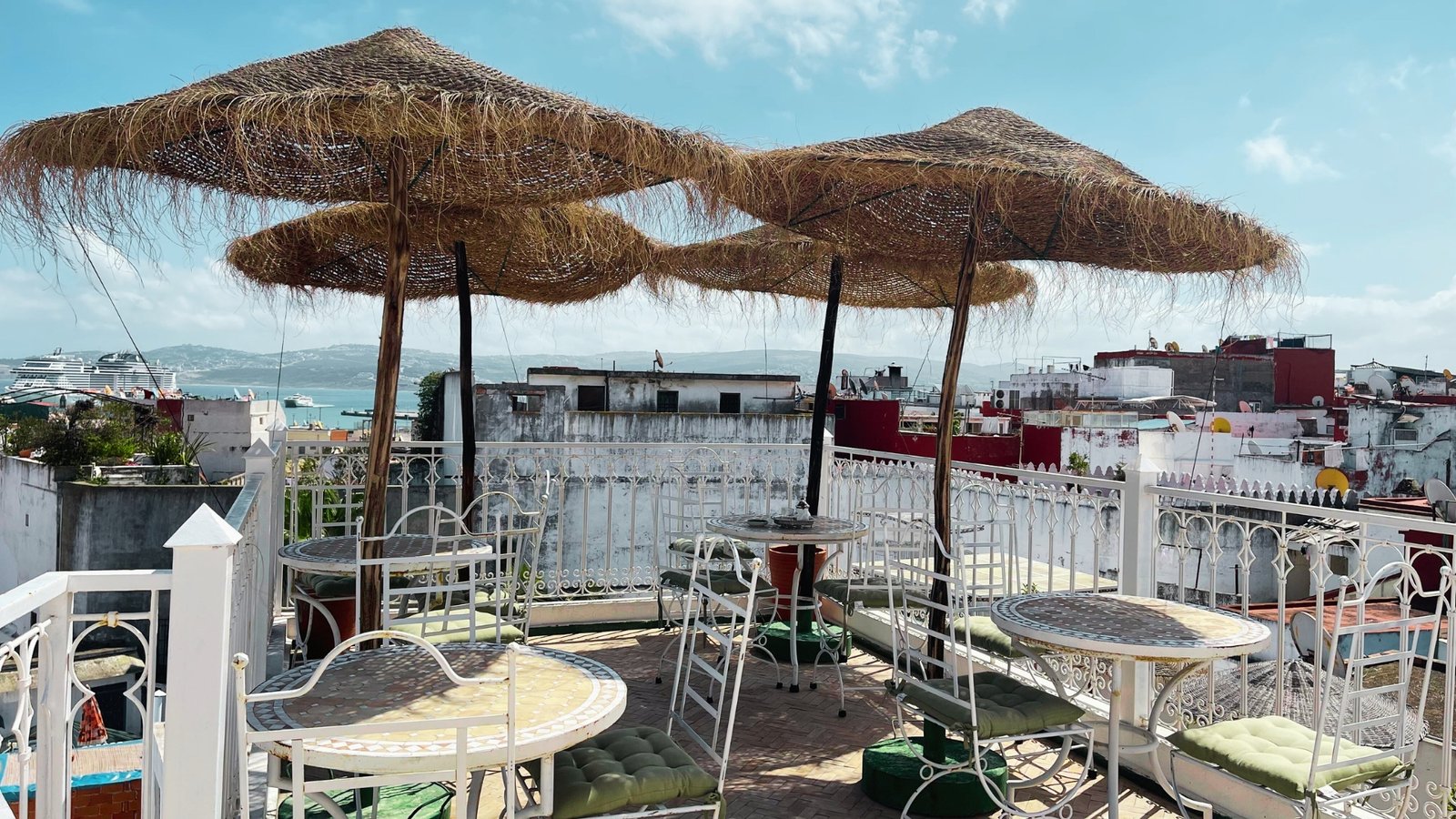
- Staying at a riad, like the Riad Sultana Tangier, enhances cultural immersion.
- Engaging respectfully with locals deepens cultural understanding.
Table of Contents
- What is Moroccan Hospitality?
- The Core Elements of Moroccan Hospitality
- Experiencing Moroccan Hospitality in Tangier
- Why Choose Riad Sultana Tangier for Authentic Moroccan Hospitality?
- Tips for Experiencing Moroccan Hospitality as a Traveler
- Moroccan Hospitality Beyond Accommodation
- Conclusion
What is Moroccan Hospitality?
Moroccan hospitality is not merely a social custom—it’s a deeply ingrained cultural principle that dates back centuries, rooted in Islamic values and Berber traditions. The concept revolves around generosity, respect, and honor given to guests, whether they are visiting a home or a city.
Traditionally, Moroccan homes open their doors wide to visitors. Guests are treated with utmost respect, often offered mint tea—the cornerstone of Moroccan social life—as a sign of friendship and welcome.
The Core Elements of Moroccan Hospitality
1. Generosity and Sharing Food
Food plays a pivotal role in Moroccan hospitality. Whether it’s a simple meal or a lavish feast, sharing food signifies generosity and communal bonds. Traditional Moroccan dishes such as tagine, couscous, and pastilla are often served family-style, encouraging guests to partake together around one table, symbolizing unity.
2. The Mint Tea Ceremony
Known affectionately as “Moroccan Whiskey,” mint tea is more than a refreshing drink; it is an emblem of hospitality. Prepared with green tea, fresh mint leaves, and lots of sugar, this tea is poured carefully from a height to create a frothy surface, demonstrating skill and care.
3. Respect for Guests
Moroccan hospitality places guests on a pedestal of honor. Visitors are often addressed with formal titles, and hosts may go out of their way to fulfill guests’ needs or preferences, including offering the best seating or accommodations.
4. Welcoming Atmosphere in Riads
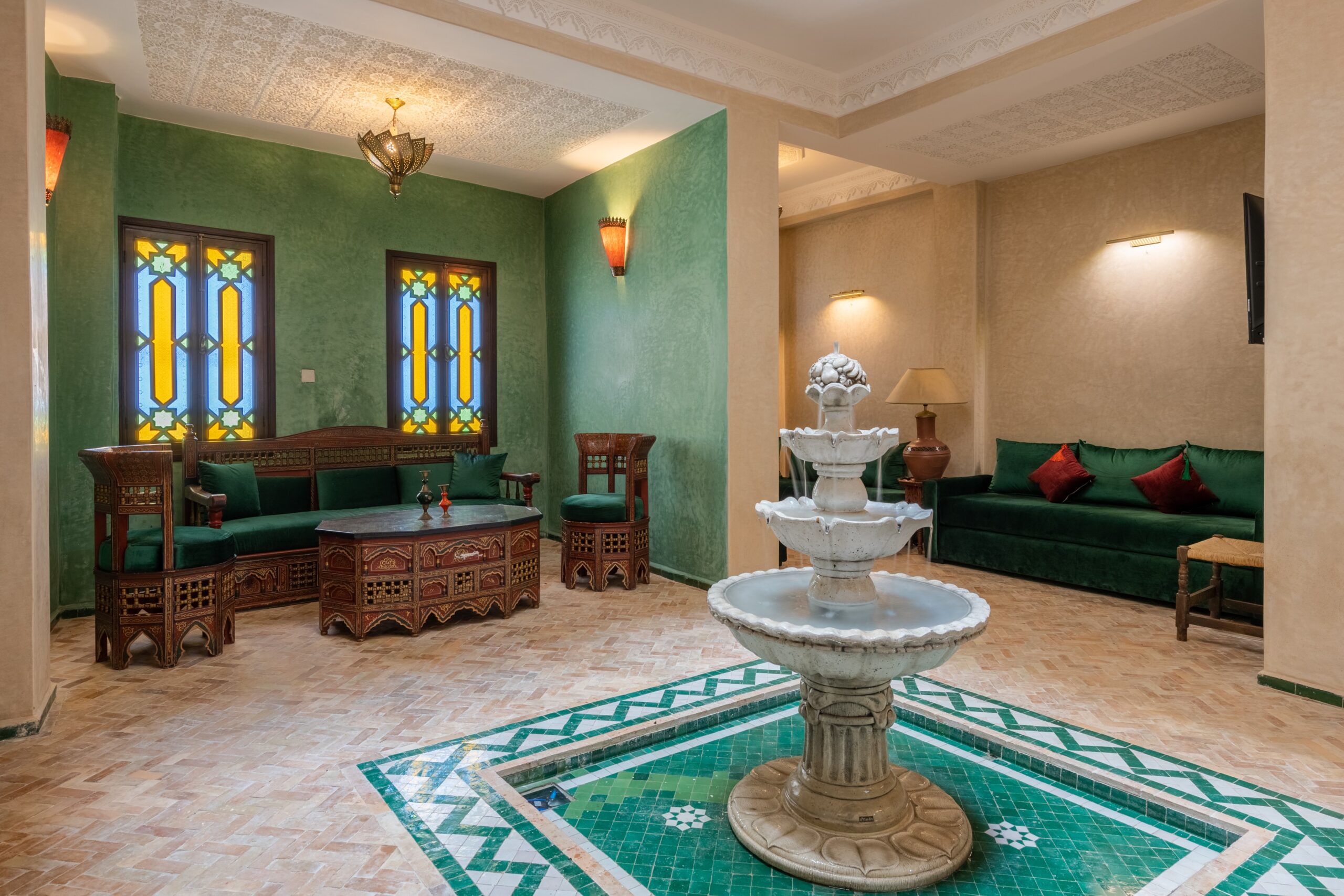
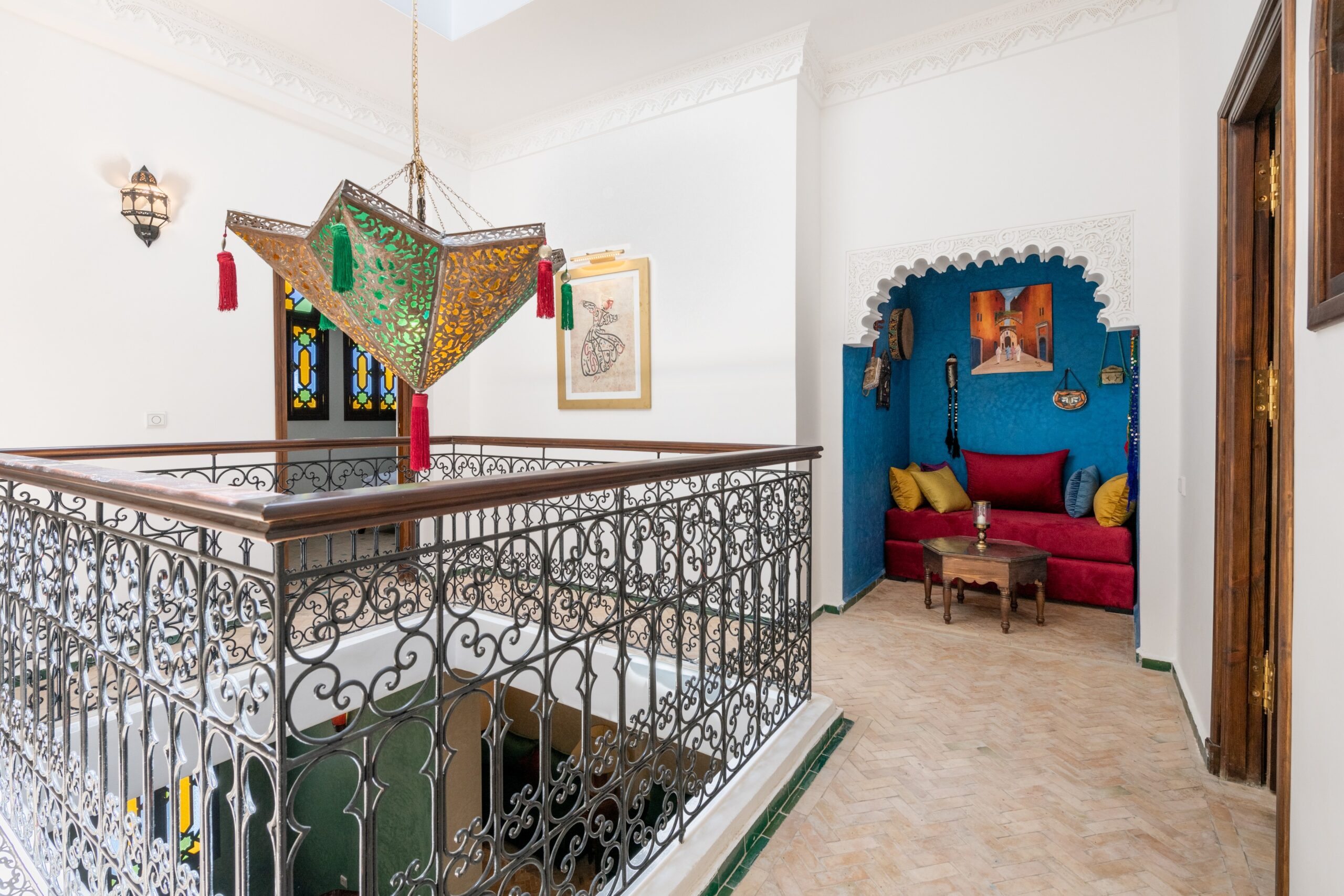
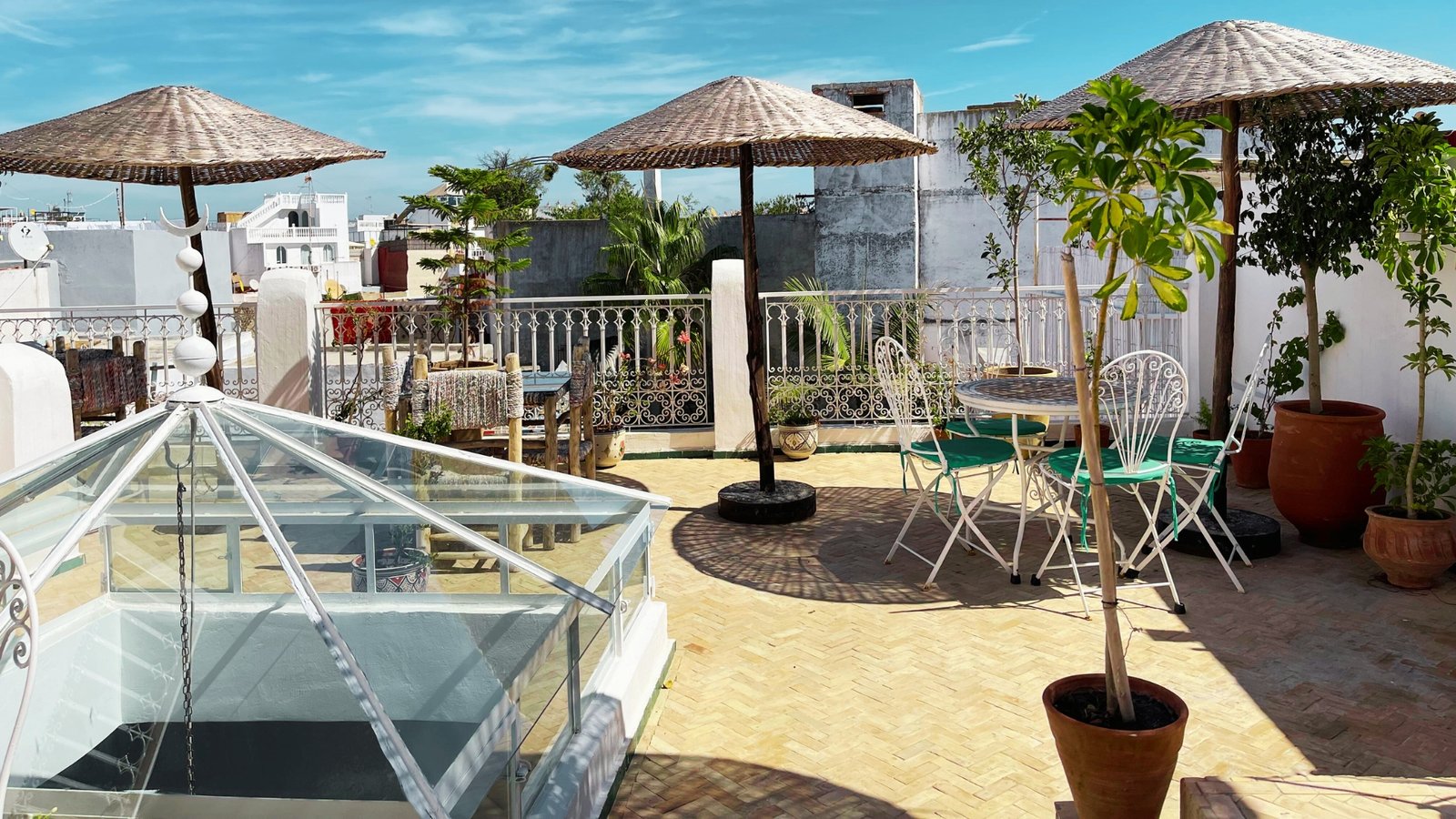
Riads offer a secluded, peaceful oasis from the bustling cities outside and are often the place where guests experience the finest Moroccan hospitality. The architecture and ambiance create a tranquil experience for visitors.
Experiencing Moroccan Hospitality in Tangier
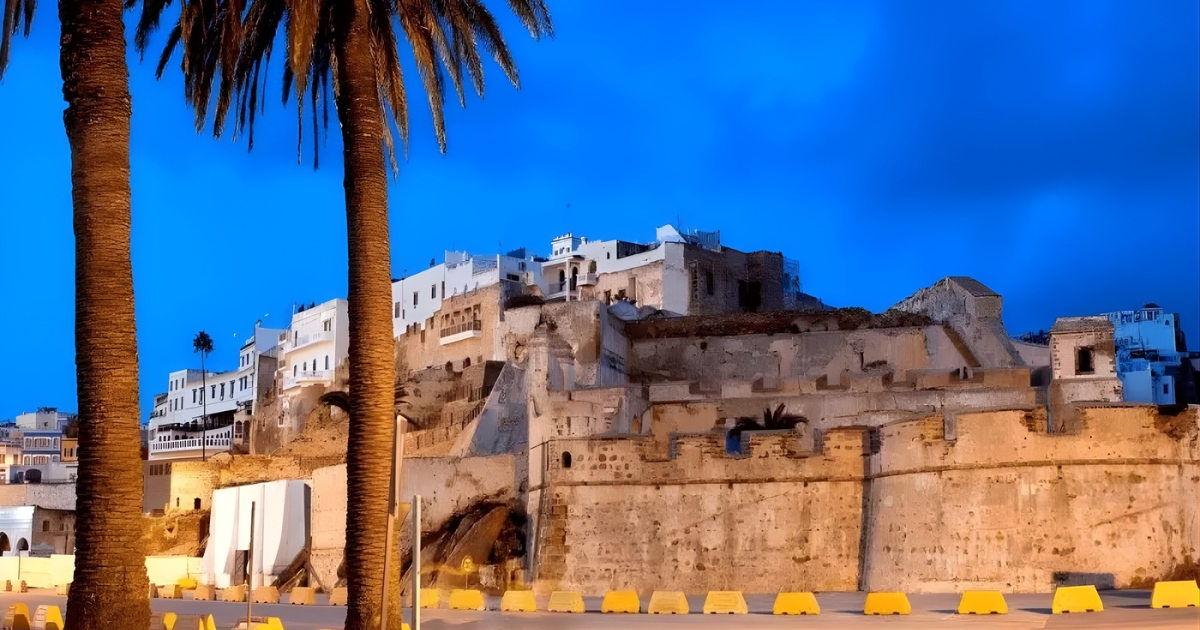
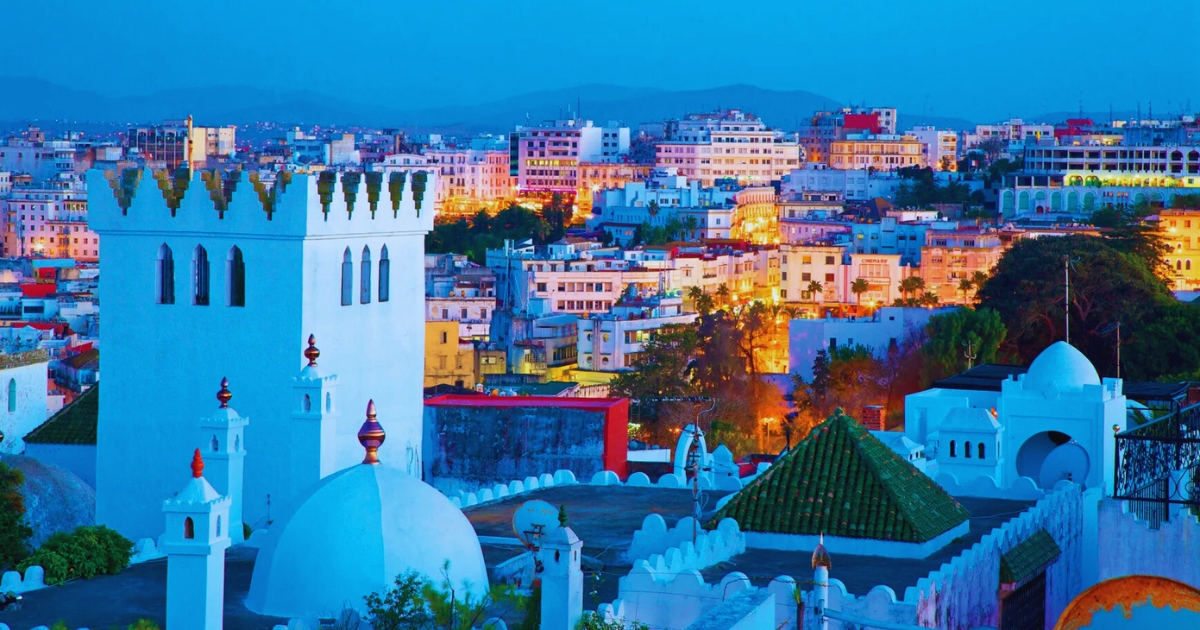
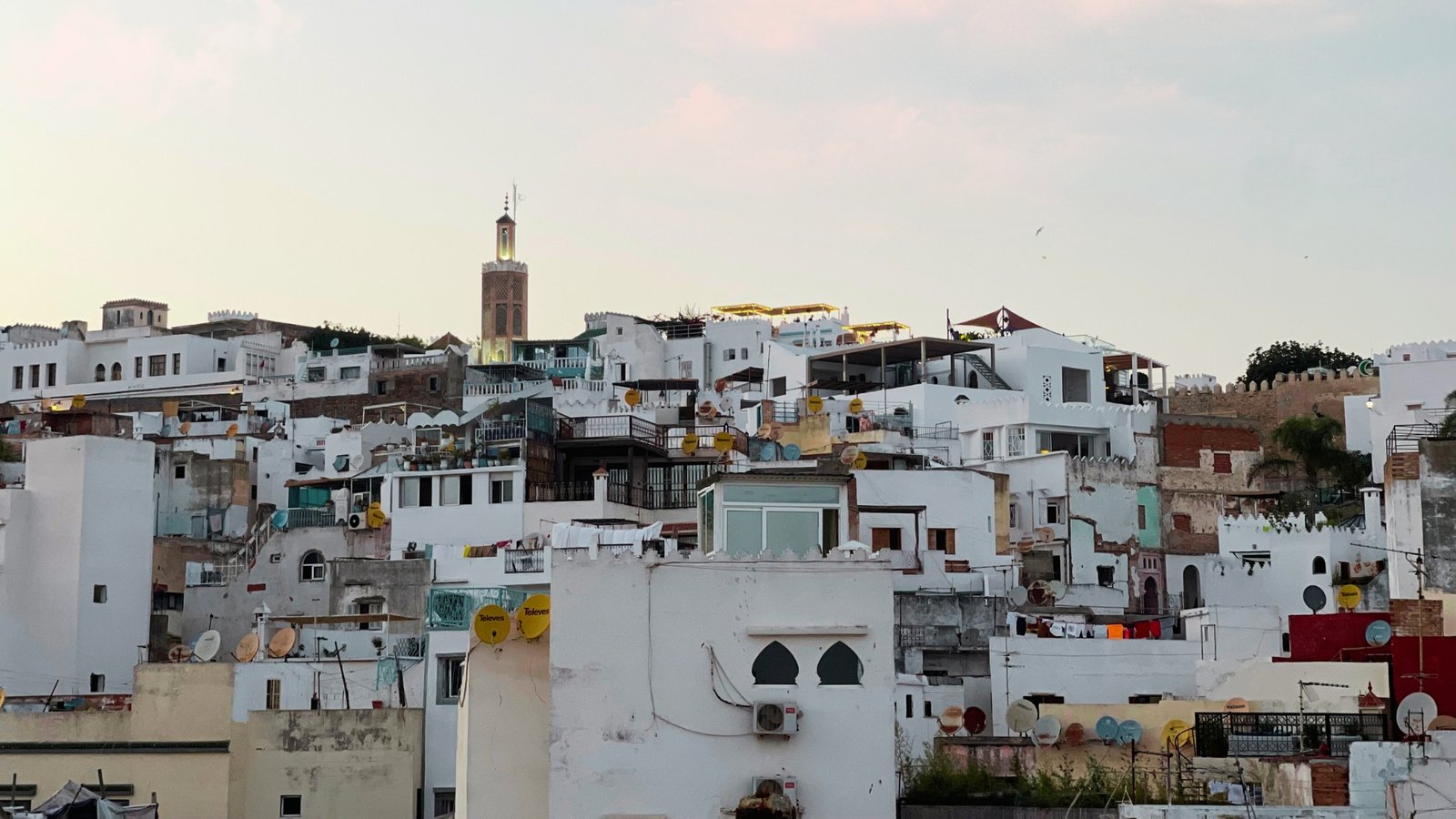
Tangier, located at the crossroads of Europe and Africa, is one of Morocco’s most culturally rich and historically fascinating cities. Its unique blend of influences enhances the hospitality experience.
To fully delve into Moroccan hospitality in Tangier, staying in a traditional riad is highly recommended.
Why Choose Riad Sultana Tangier for Authentic Moroccan Hospitality?
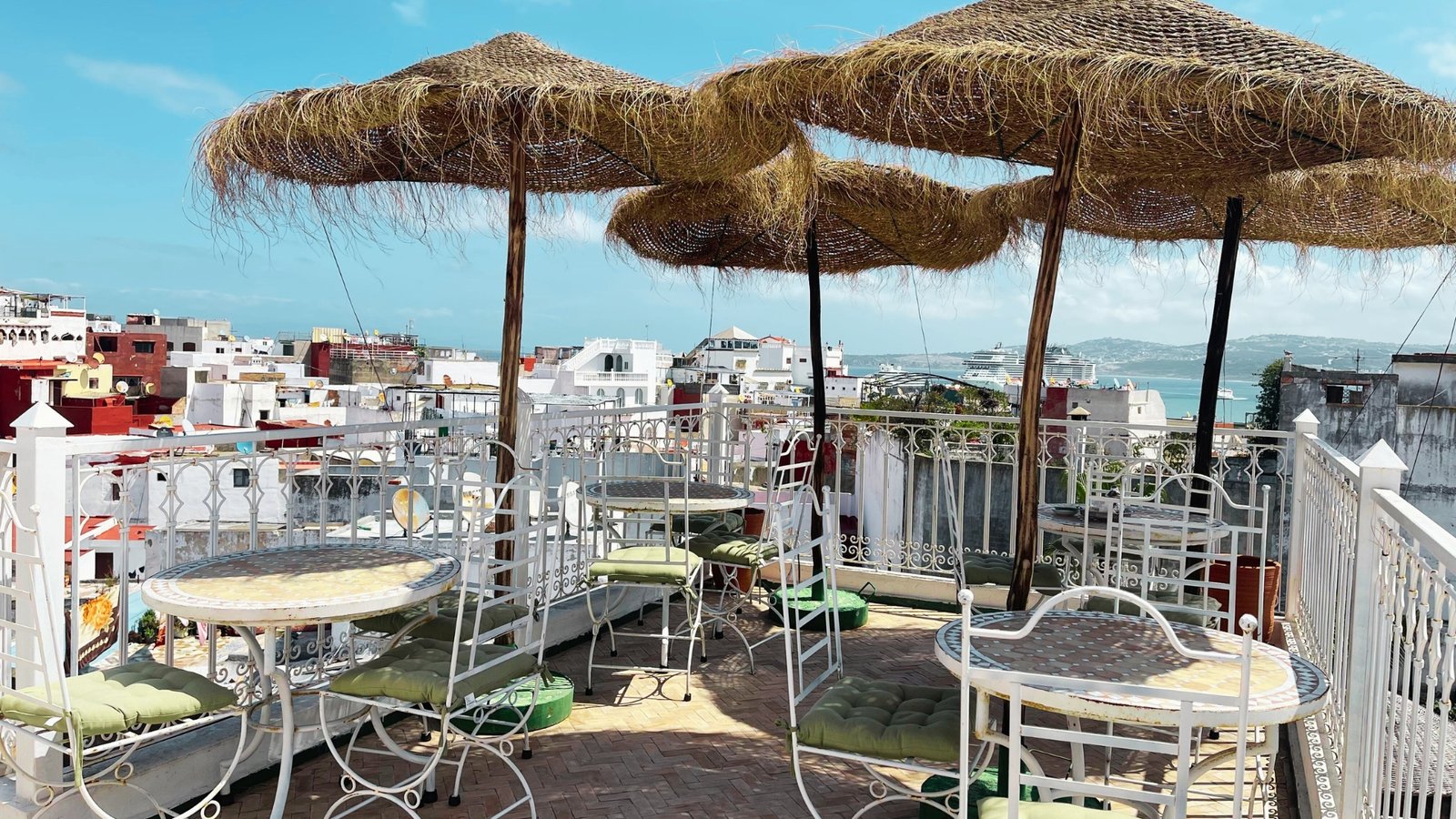
If you want to immerse yourself in genuine Moroccan hospitality during your visit to Tangier, there is no better place to stay than the Riad Sultana Tangier.
Authentic Atmosphere and Personalized Service
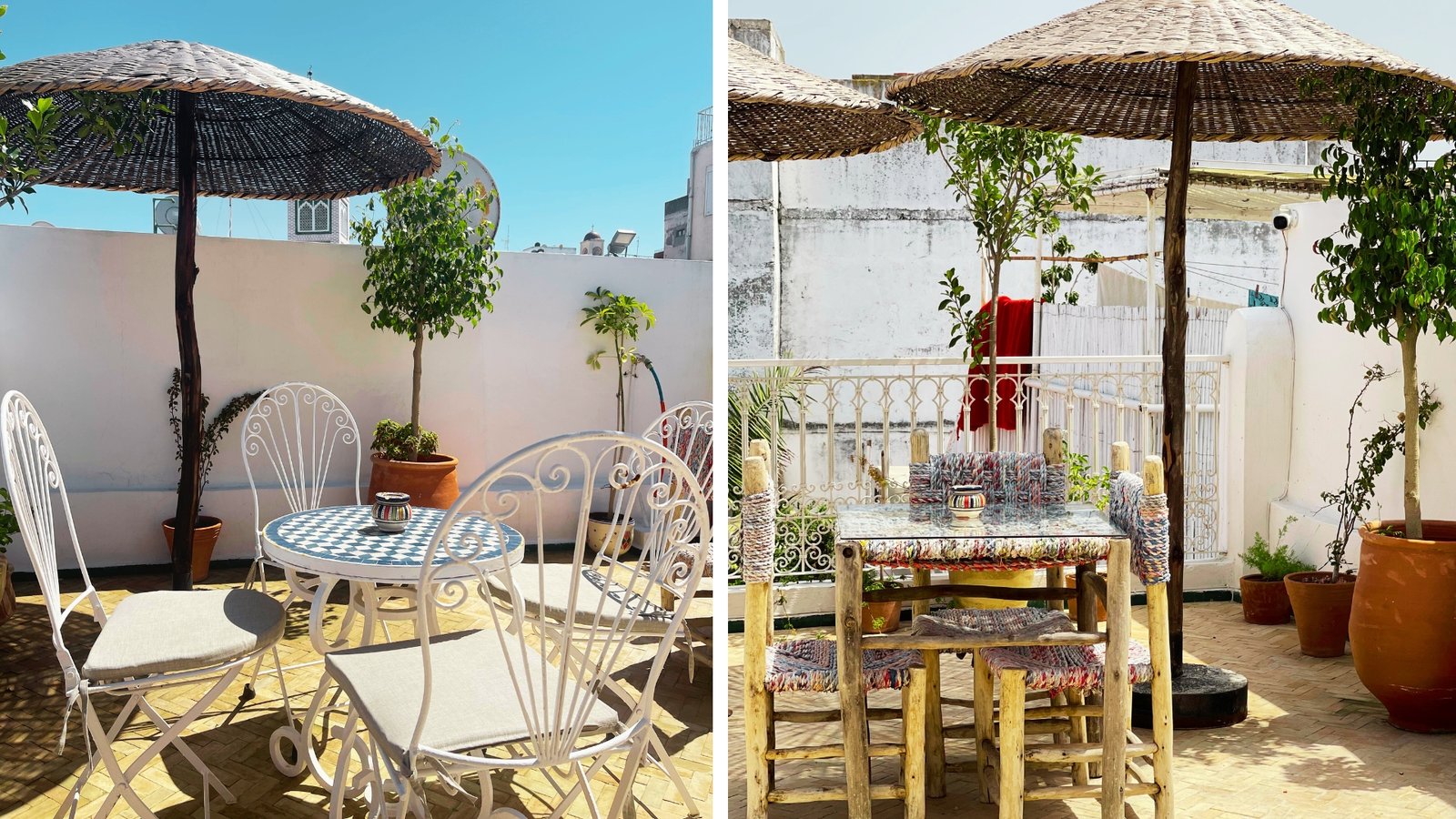
Riad Sultana’s architecture showcases the best of Moroccan craftsmanship—ornate zellij tiles, hand-painted ceilings, and arched doorways create a captivating world of colors and textures.
Culinary Experiences That Embody Moroccan Tradition
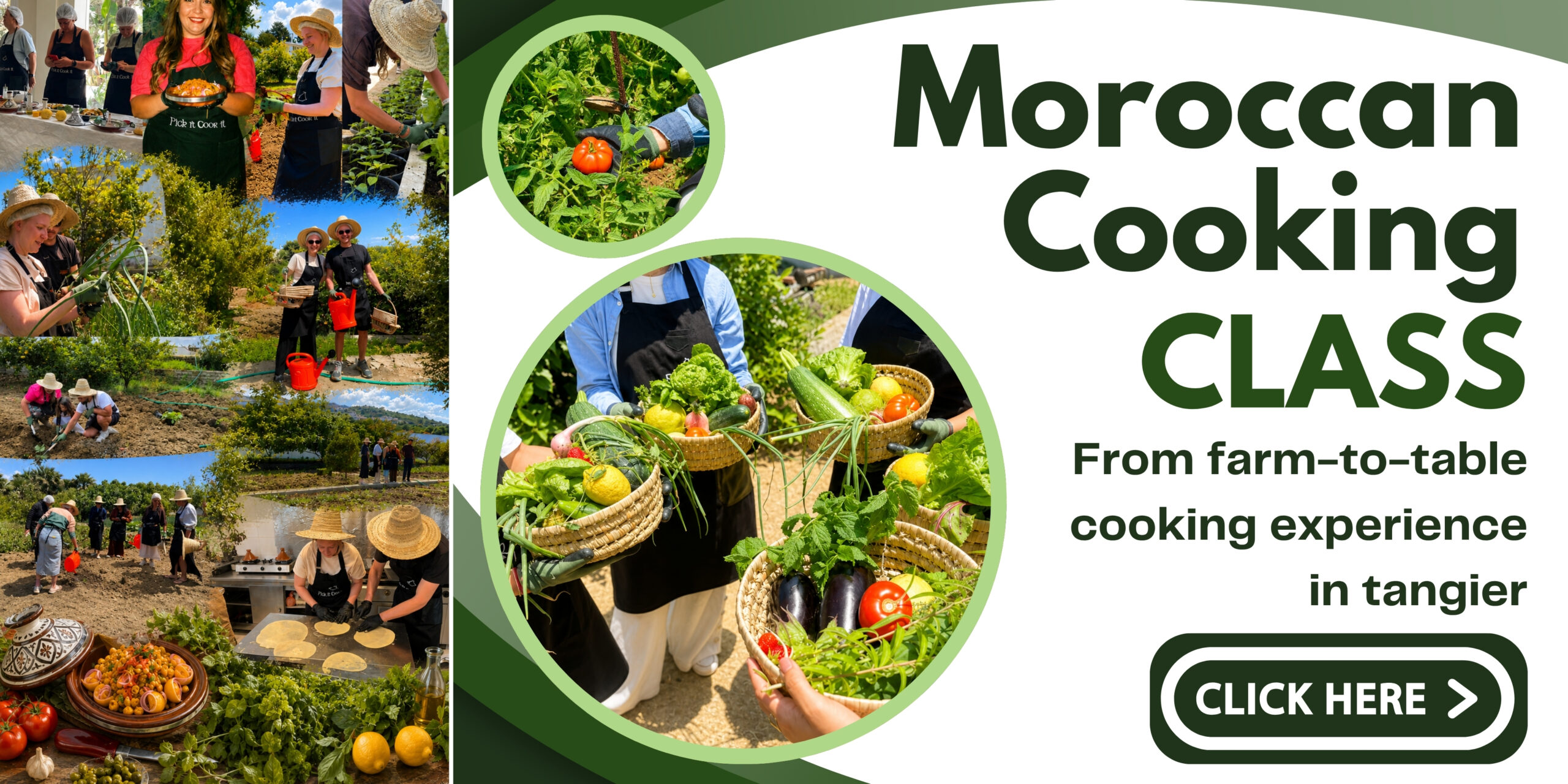
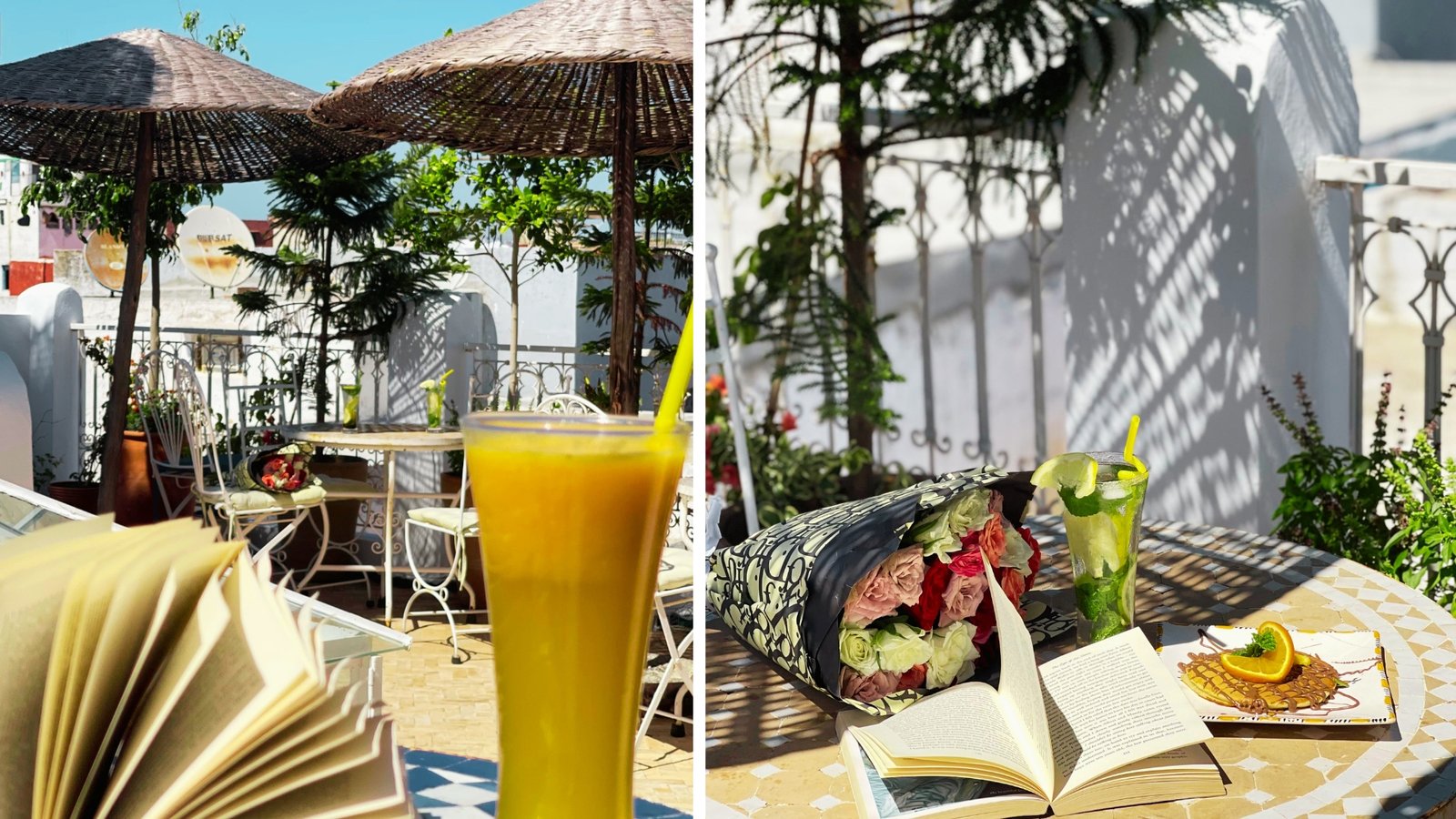
Food at Riad Sultana is a centerpiece of the guest experience. Meals are prepared using locally sourced ingredients and traditional cooking methods, offering an authentic taste of Moroccan cuisine.
A Tranquil Urban Oasis
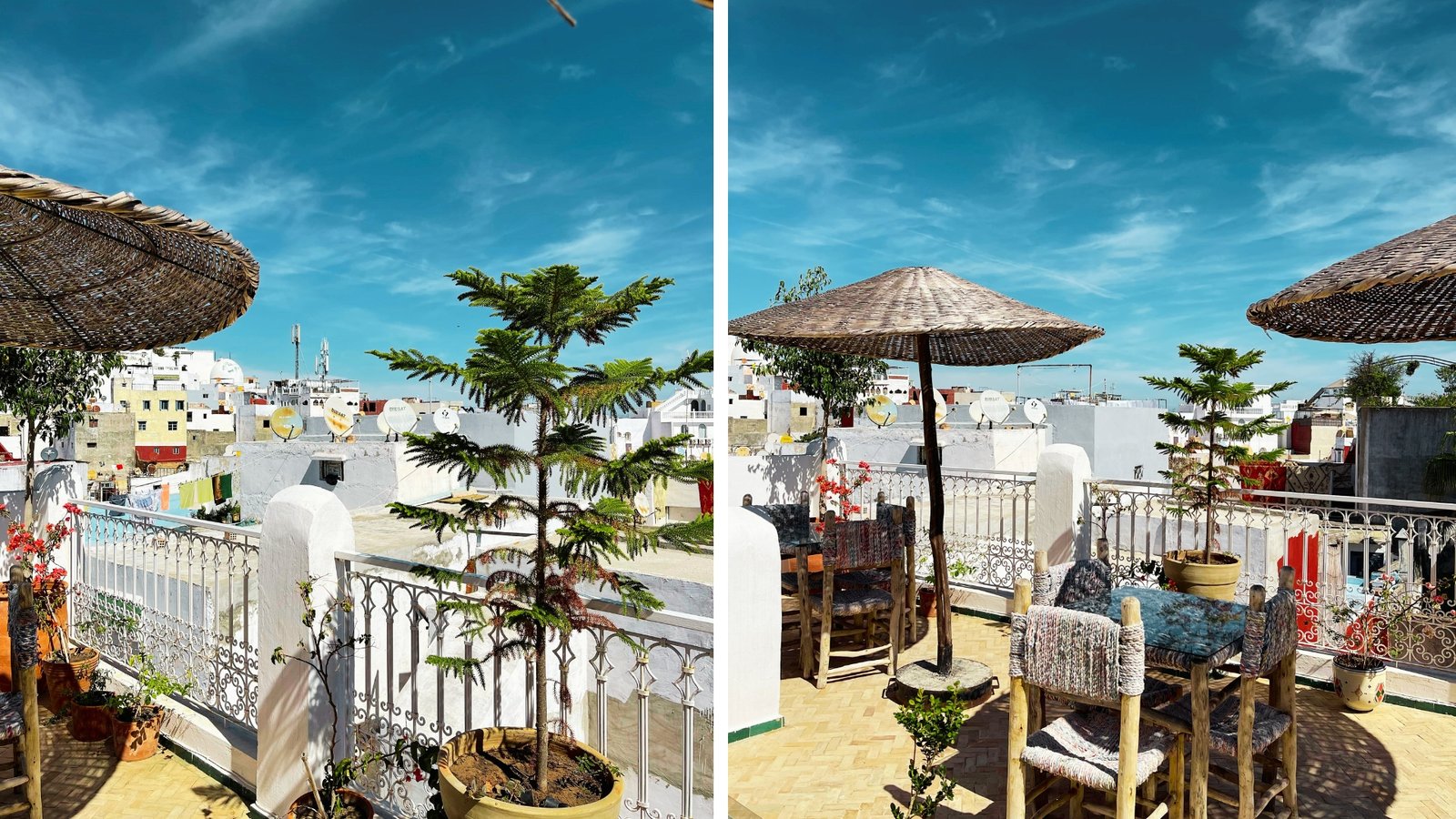
Tucked away in the heart of Tangier’s medina, Riad Sultana provides a peaceful retreat from the city’s lively streets.
Tips for Experiencing Moroccan Hospitality as a Traveler
Embracing Moroccan hospitality goes beyond simply being a guest—it involves cultural sensitivity, openness, and respect. Here are practical tips:
- Learn Basic Arabic or Berber Greetings
- Accept Invitations Graciously
- Dress Modestly
- Follow Etiquette During Meals
- Engage with Local Traditions
Moroccan Hospitality Beyond Accommodation
While staying in a riad offers a concentrated experience of Moroccan hospitality, the broader culture extends this warmth to the overall community.
Conclusion
Understanding and experiencing the famous Moroccan hospitality is an essential part of traveling in Morocco. It enriches every interaction, whether in a bustling market or the quiet courtyard of a riad.
For travelers visiting Tangier, booking a stay at Riad Sultana is the ultimate haven that transforms your stay into an unforgettable journey of cultural connection.
FAQs
What is the significance of the mint tea ceremony in Moroccan culture?
The mint tea ceremony is a symbol of hospitality and friendship. Its preparation and serving demonstrate care and skill, making it an essential part of local customs.
How can I respectfully engage with locals in Morocco?
Learning basic greetings, accepting invitations, and dressing modestly are vital ways to show respect and appreciation for Moroccan culture.
Why is staying in a riad recommended for travelers?
Staying in a riad provides an immersive experience of Moroccan traditions, architecture, and hospitality, allowing guests to connect deeply with the culture.