

Estimated reading time: 5 minutes
- Experience the rich culinary heritage of Morocco through a traditional Riad breakfast.
- Enjoy freshly baked Moroccan breads and a variety of local spreads.
- Relax in the unique ambiance of a Riad setting in Tangier’s Kasbah Medina.
- Discover the communal and leisurely nature of Moroccan meal traditions.
- Riad Sultana Tangier offers an authentic gateway to this delightful breakfast experience.
Table of Contents
- What Is a Riad Breakfast?
- Key Elements That Make a Traditional Moroccan Riad Breakfast Unique
- Experiencing a Moroccan Riad Breakfast in Tangier’s Kasbah Medina
- Practical Tips for Enjoying a Riad Breakfast
- Why Choose Riad Sultana Tangier for Your Stay
- Frequently Asked Questions
What Is a Riad Breakfast?
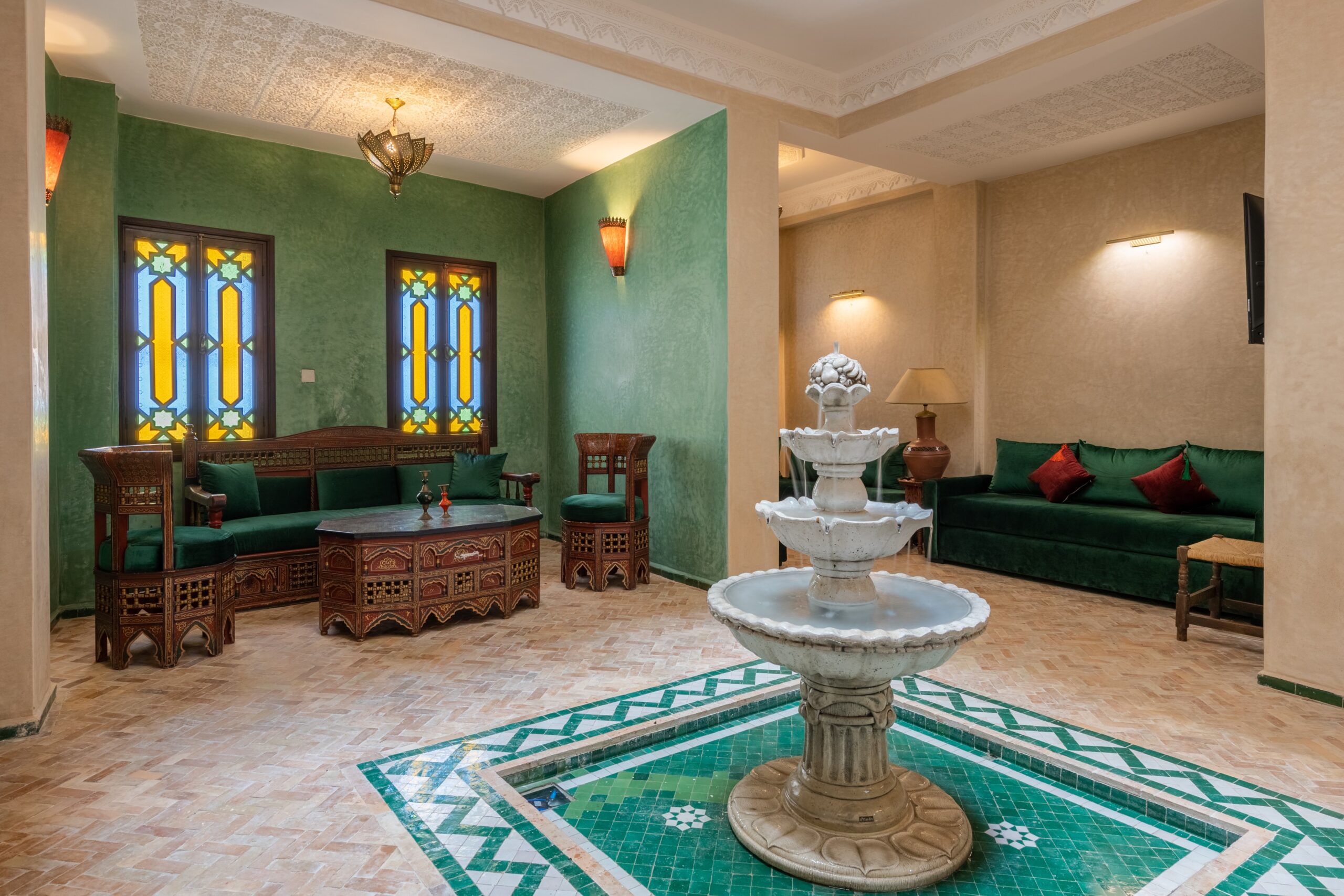
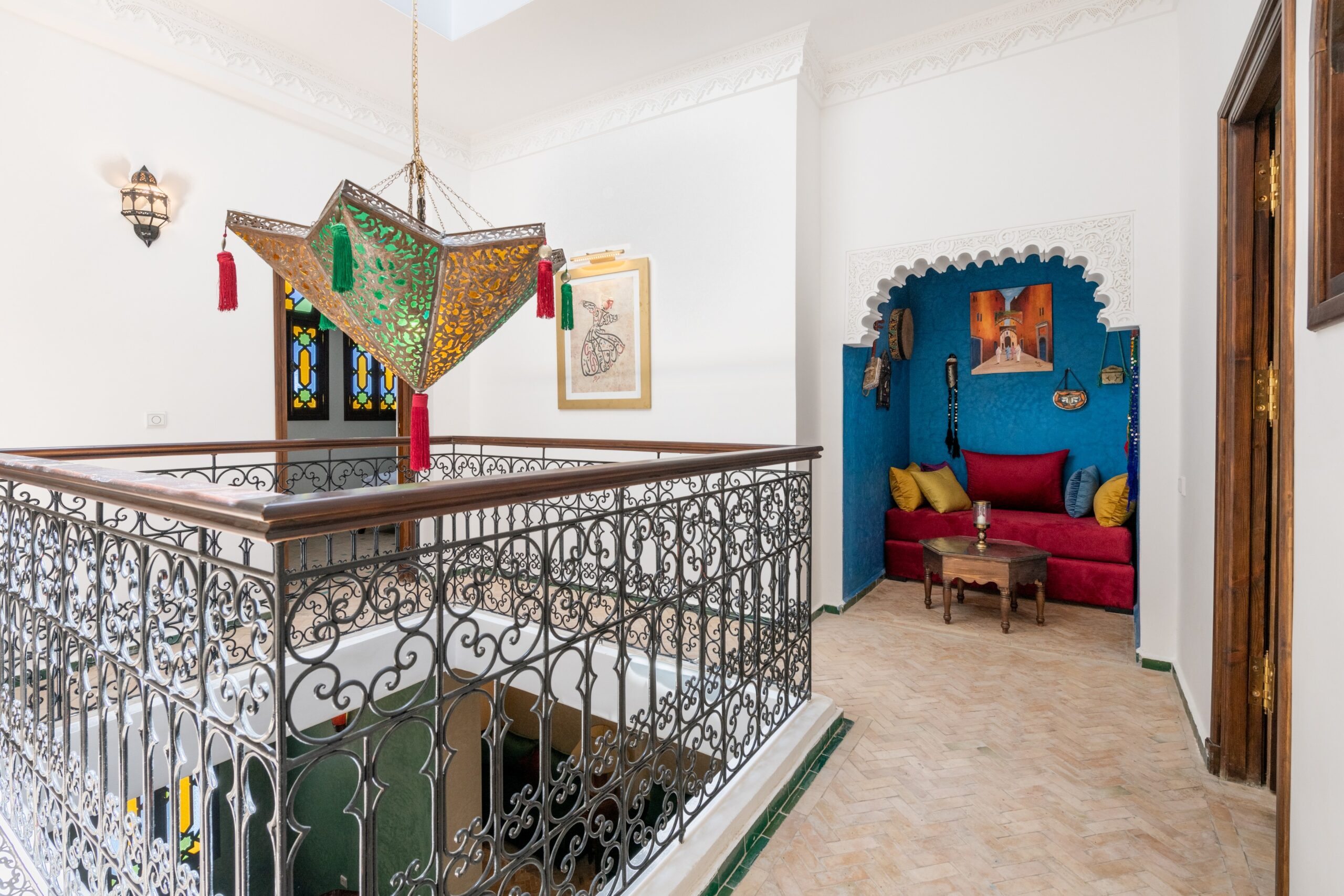
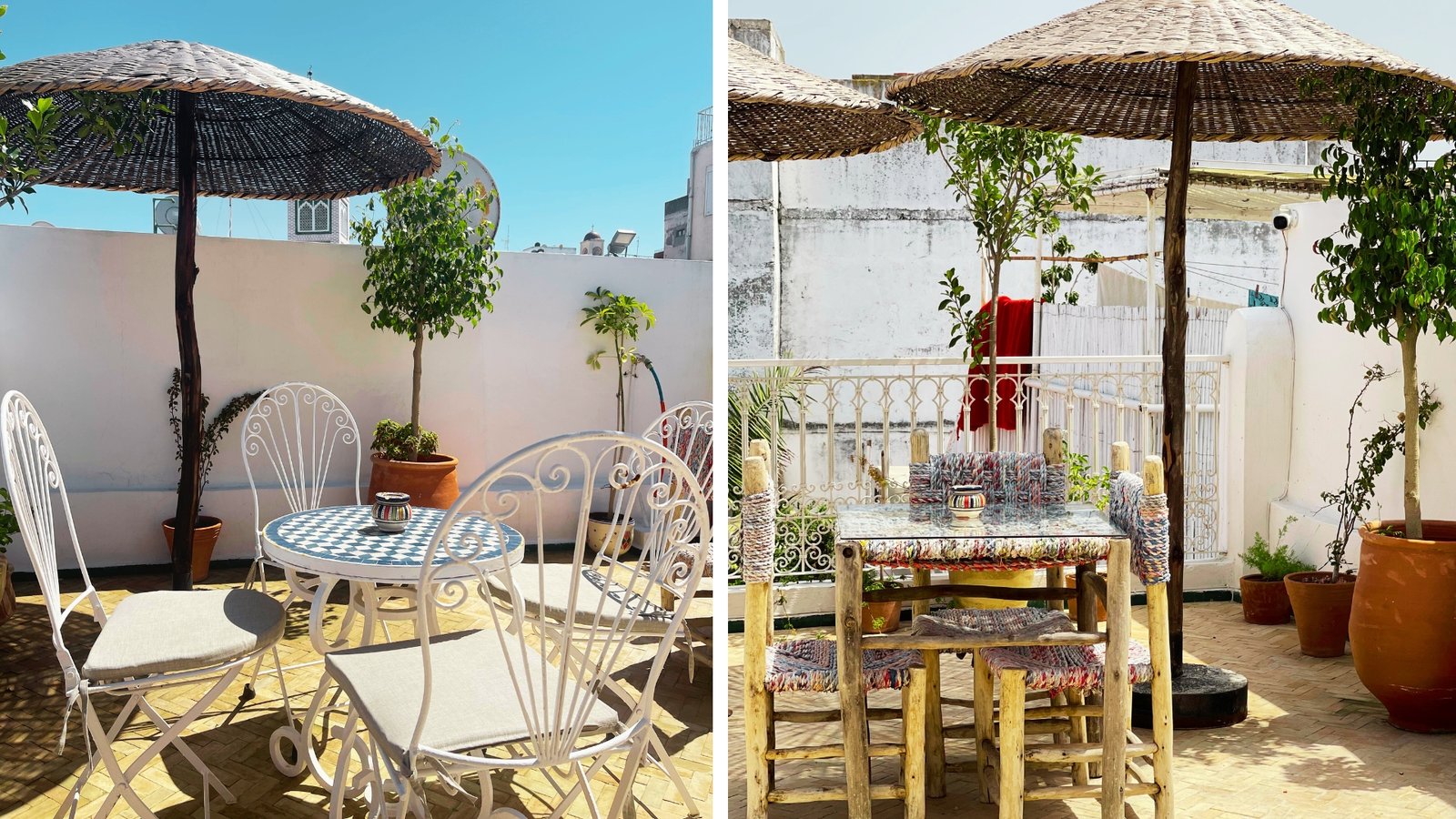
A “Riad” refers to a traditional Moroccan house or palace with an interior garden or courtyard, offering a peaceful retreat in the heart of bustling medinas. A Riad breakfast is typically served on terraces or cozy patios surrounded by intricate tilework, lush greenery, and the scent of orange blossoms or mint tea.
Unlike rushed continental breakfasts common in Western hotels, the Riad breakfast is a slow, sensory experience that reflects the Moroccan emphasis on hospitality, fresh ingredients, and communal dining.
Key Elements That Make a Traditional Moroccan Riad Breakfast Unique
1. Freshly Baked Moroccan Breads
Bread is the cornerstone of every Moroccan meal. During a Riad breakfast, expect to find a variety of breads such as:
- Khobz: Rustic round white bread, crispy on the outside and soft inside.
- Msemmen: Flaky, buttery square pancakes often drizzled with honey or olive oil.
- Baghrir: Also known as Moroccan pancakes, they boast a spongy texture dotted with tiny holes perfect for soaking up toppings.
These breads are often freshly baked by local bakers or prepared by riad staff on-site, ensuring freshness and authenticity.
2. A Medley of Local Spreads and Toppings
Traditional Moroccan breakfast includes an array of spreads and toppings that complement the bread:
- Honey and Butter: A classic sweet and savory pairing.
- Olive Oil: Extra virgin Moroccan olive oil, sometimes infused with argan oil.
- Homemade Jams: Made from seasonal fruits like figs, oranges, or apricots.
- Amlou: A rare delight made from argan oil, almonds, and honey, unique to Moroccan breakfasts.
3. Fresh Fruits and Nuts
Moroccan breakfasts often include a selection of seasonal fresh fruits such as oranges, dates, pomegranates, and figs, along with nuts like almonds and walnuts, offering both nutrition and a burst of natural flavor.
4. Traditional Moroccan Mint Tea and Coffee
No Riad breakfast is complete without a serving of Moroccan mint tea — green tea brewed with fresh mint leaves and sweetened generously. It’s both refreshing and symbolic of Moroccan hospitality. Some guests might also enjoy freshly brewed coffee, often served alongside.
5. Light Savory Dishes
While most Moroccan breakfasts lean towards sweet and fresh offerings, some riads serve simple savory options like:
- Bissara: A warm broad bean soup, hearty and nourishing.
- Eggs with Merguez: Lightly spiced grilled sausages paired with eggs, common in northern Morocco.
- Cheese and Olives: A modest assortment adding a savory contrast.
Experiencing a Moroccan Riad Breakfast in Tangier’s Kasbah Medina
Staying in the Kasbah Medina, the historic quarter of Tangier, sets an ideal scene for enjoying a traditional Riad breakfast. The narrow, winding streets and timeworn walls surround you with a sense of history and culture, perfectly complemented by the tranquil ambiance of a riad.
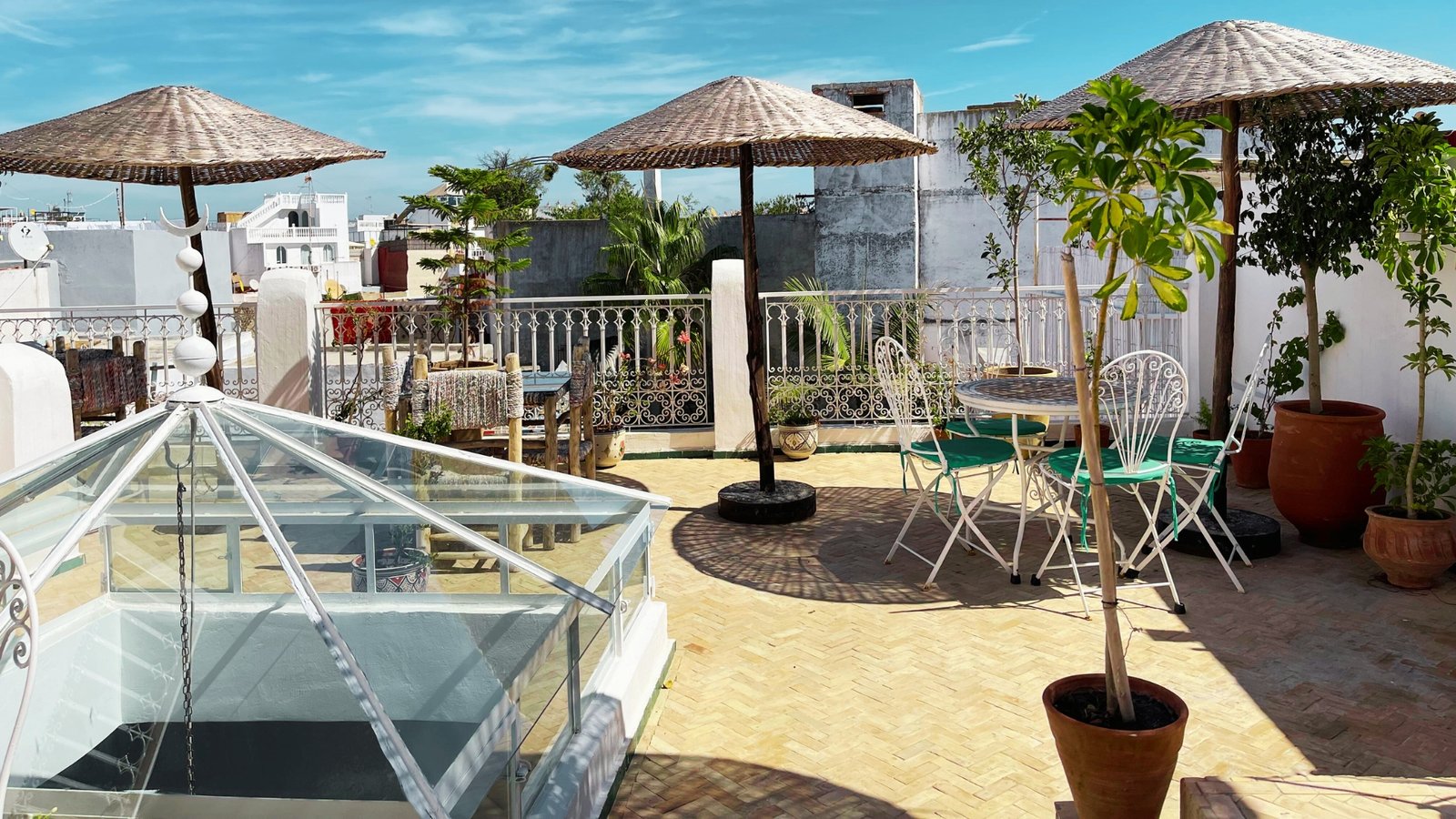
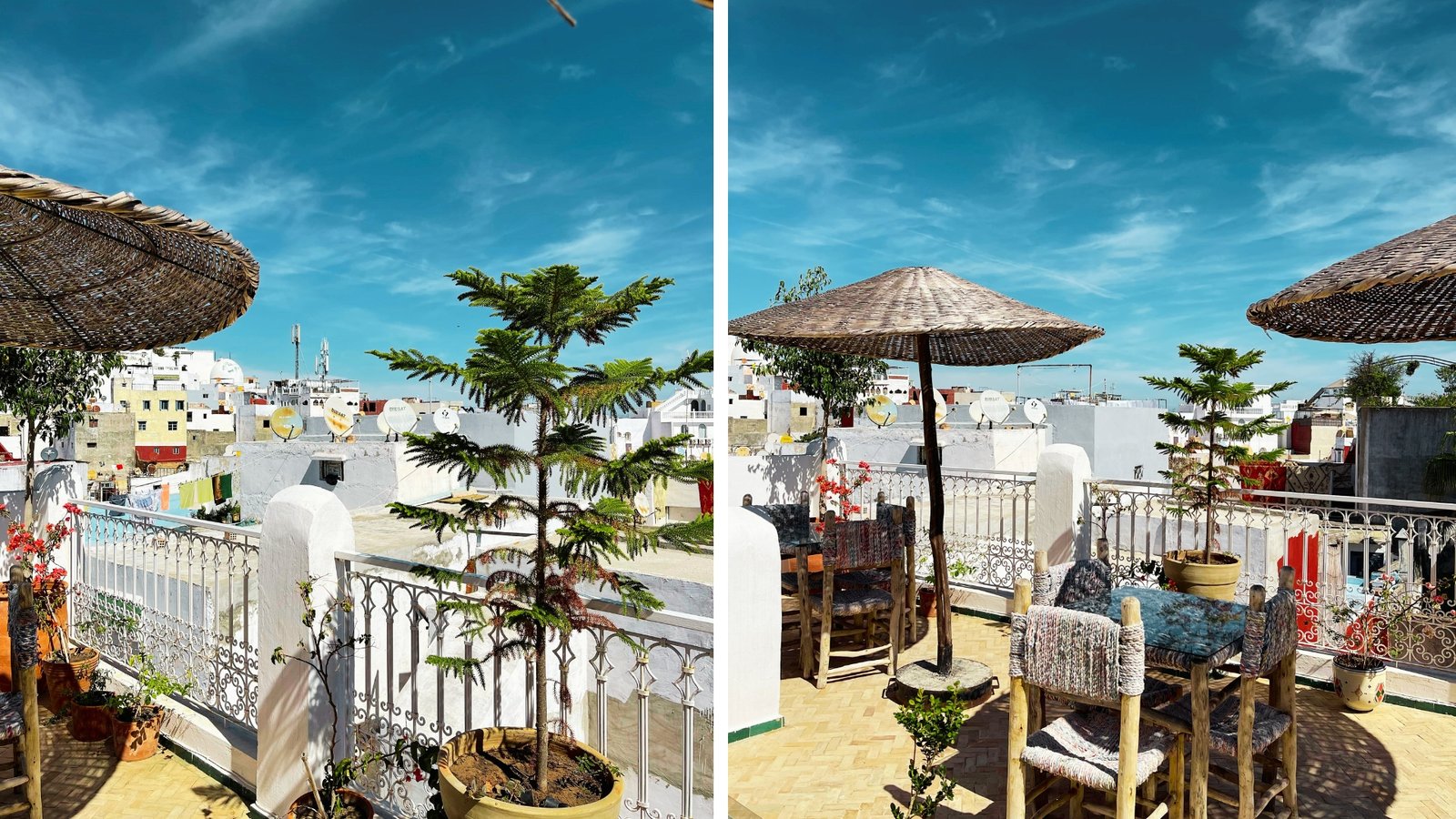
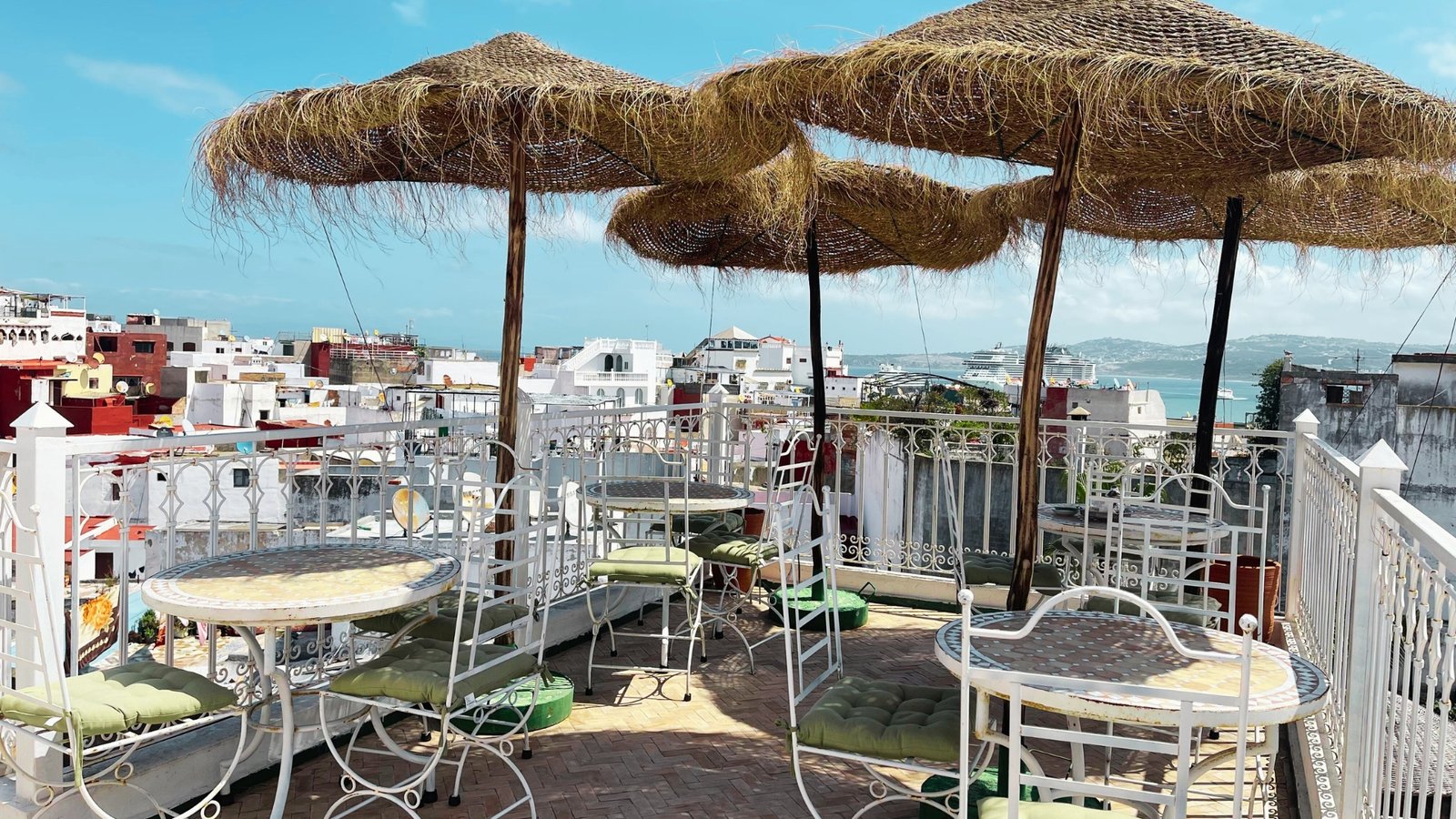
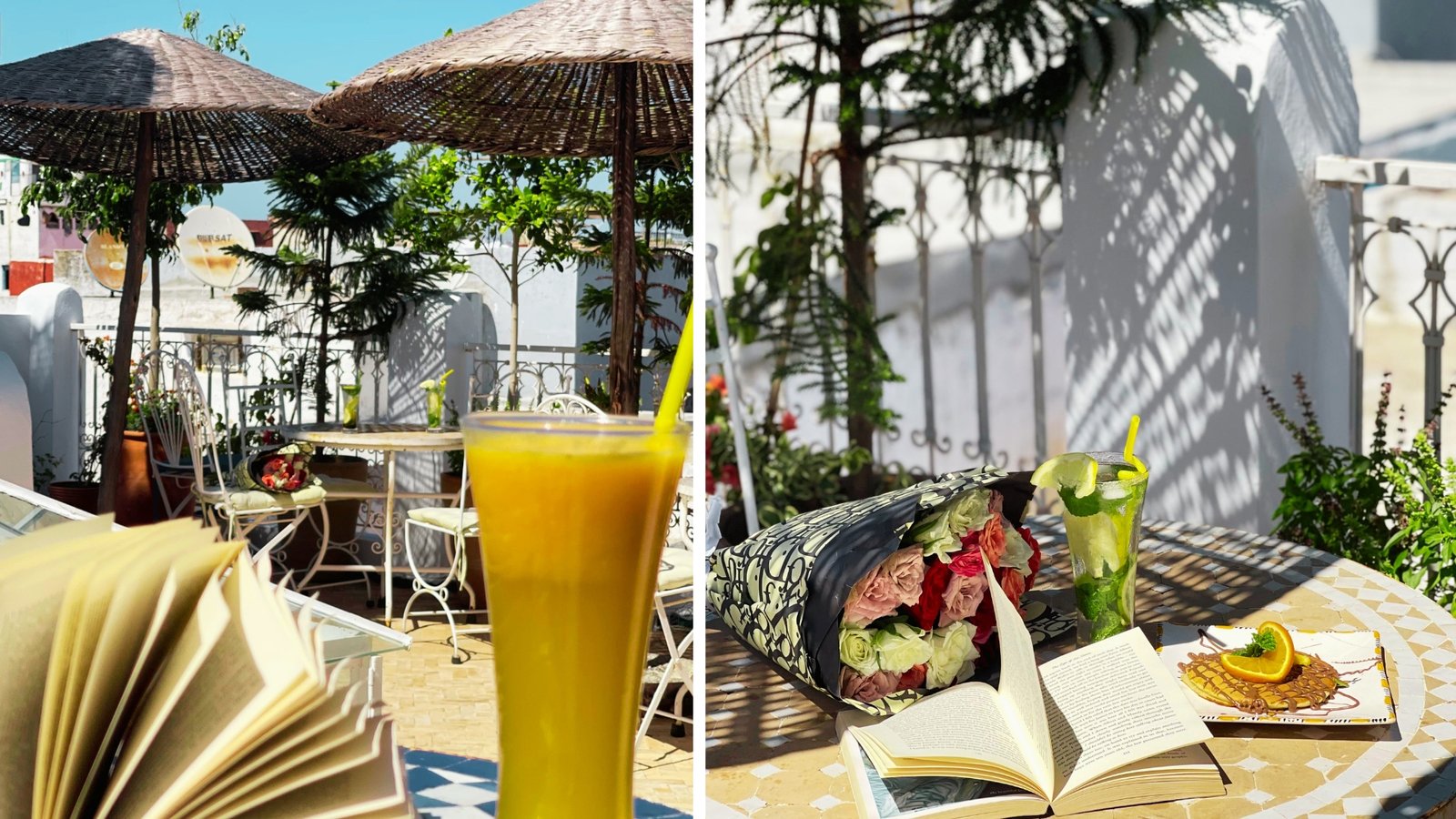
Riad Sultana Tangier, nestled in this vibrant neighborhood, is renowned for its authentic breakfast offerings that showcase the very best of northern Moroccan cuisine using locally sourced ingredients. Guests often mention the charm of sipping freshly brewed mint tea on the rooftop terrace while overlooking the Medina’s labyrinth below — the perfect way to awaken your senses before a day of exploration.
Practical Tips for Enjoying a Riad Breakfast
- Arrive Hungry: Portions may be modest but include multiple small servings meant to be savored slowly.
- Try Everything: From amlou to msemen, the variety reflects Morocco’s diverse culinary influences — don’t hesitate to ask your hosts about each dish.
- Mind Dietary Preferences: Many riads are accommodating and can adjust breakfast for specific needs if notified in advance.
- Embrace the Social Aspect: Moroccan meals are communal and leisurely — enjoy conversations with fellow travelers or your hosts.
- Enjoy the Setting: The ambiance of a riad’s courtyard or terrace is integral to the breakfast experience — take time to appreciate the aesthetic charm and the gentle morning light.
Why Choose Riad Sultana Tangier for Your Stay
For travelers seeking an authentic Riad breakfast experience, Riad Sultana Tangier stands out for its blend of tradition, comfort, and exceptional hospitality in the heart of the Kasbah Medina. The riad’s rooftop terrace provides stunning views, and its intimate setting allows for a personalized breakfast that reflects the flavors and warmth characteristic of northern Morocco.
Guests consistently praise the care taken to source natural, fresh ingredients and the relaxed pace of mornings here — an ideal introduction to Moroccan cuisine and culture. If you want to immerse yourself in an authentic Riad breakfast complemented by the unique atmosphere of Tangier’s historic district, Riad Sultana offers a memorable stay that enriches your travel experience.
Frequently Asked Questions
Q: What time is a traditional Moroccan Riad breakfast served?
A: Typically, breakfast is served between 7:00 and 10:00 AM to allow guests to start their day leisurely.
Q: Is a Riad breakfast suitable for vegetarians?
A: Yes, most Riad breakfasts feature a variety of breads, jams, honey, fruits, and mint tea, which are vegetarian-friendly. Always confirm specific dietary needs with the riad.
Q: Can I have breakfast in a riad if I’m not staying there?
A: Some riads allow non-guests to enjoy breakfast with prior reservation, but this varies. It’s best to check in advance or consider staying overnight for the full experience.