

Estimated reading time: 6 minutes
- Asilah features a unique blend of Portuguese fortifications and Andalusian-Moroccan riads.
- The architecture reflects a rich cross-cultural history and artistic influences.
- Visitors to Asilah can explore historic sites, including old military defenses and charming guesthouses.
- Practical tips and recommendations are provided for an immersive experience in the medina.
Table of Contents
- The Origins of Asilah’s Architectural Style
- Portuguese Fortifications: A Legacy of Defense and Power
- Andalusian Influence: Moorish Elegance and Flair
- Exploring Asilah’s Medina: Where History Lives
- Practical Tips for Travelers
- Staying Within the Heart of Architectural Splendor
- Why the Blend of Fortifications and Riads Matters Today
The Origins of Asilah’s Architectural Style
Portuguese Fortifications: A Legacy of Defense and Power
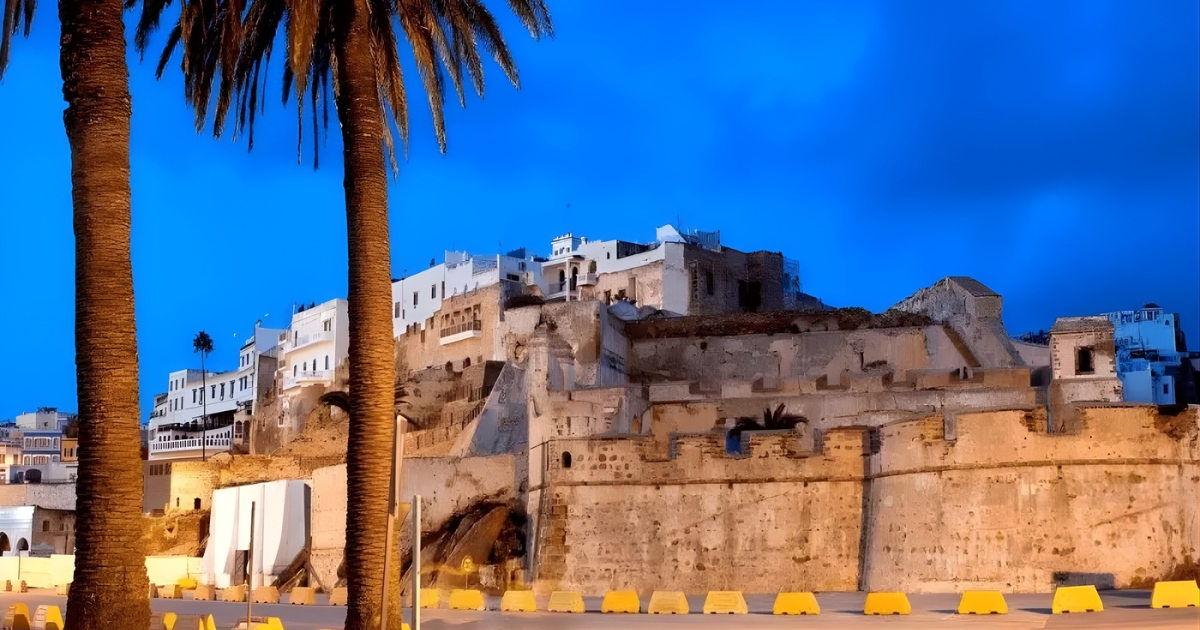
The history of Asilah is deeply intertwined with its strategic maritime position. In the 15th and 16th centuries, the Portuguese empire established a stronghold here to control access to the Atlantic and safeguard their trade routes. As a result, the architecture of Asilah prominently features robust Portuguese fortifications, which include:
- Massive walls and bastions: Built from local stone, these walls served as protective barriers against invasions and pirates.
- Watchtowers and gates: Strategically positioned to monitor the coast and control access to the town.
- Military design elements: Incorporating European Renaissance military architecture adapted to North African terrain.
These structures remain some of the most striking features of Asilah today, providing panoramic views of the ocean and serving as a reminder of the town’s vibrant cross-cultural past.
Andalusian Influence: Moorish Elegance and Flair
Following the departure of the Portuguese, Asilah saw an influx of Andalusian refugees who brought their culture, customs, and architectural know-how. This gave birth to the Andalusian-Moroccan riads scattered throughout the medina of Asilah, characterized by:
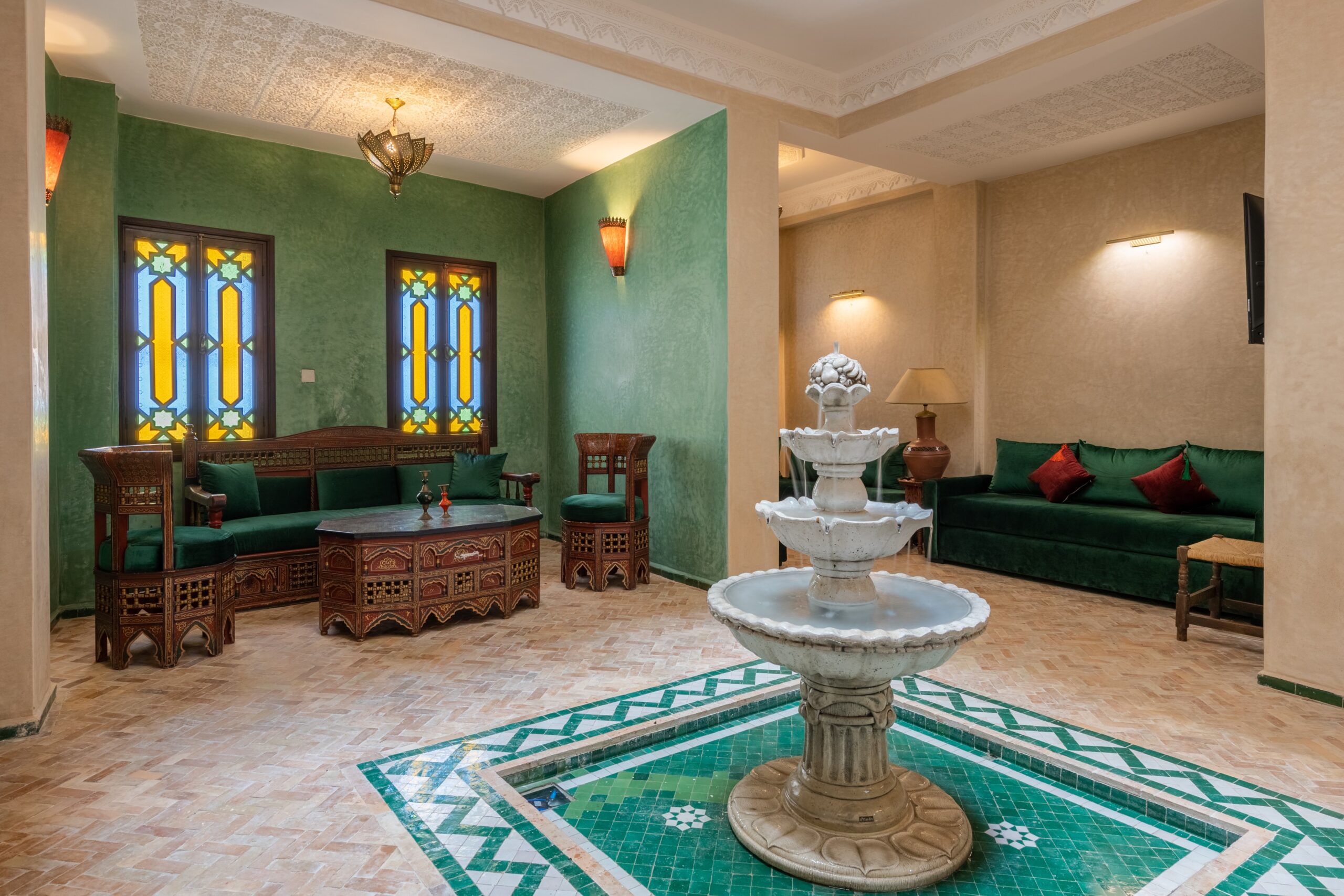
- Peaceful inner courtyards: Often featuring fountains, lush plants, and shaded areas for relaxation.
- Intricate tilework (zellige): Colorful geometric patterns adorn walls and floors, showcasing skilled craftsmanship.
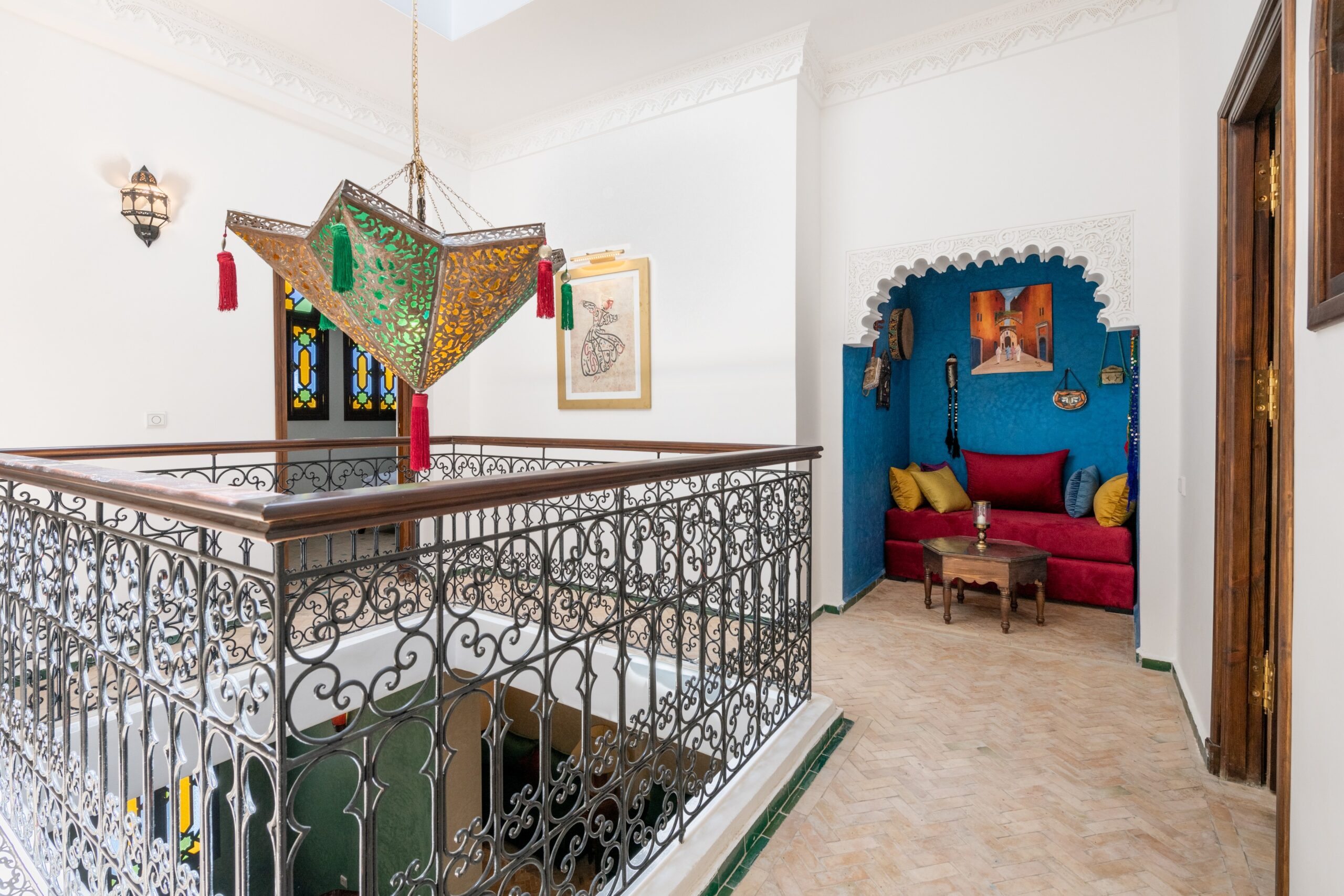
- Carved wooden ceilings and mashrabiya screens: Adding texture and elegance while ensuring privacy and light control.
- Whitewashed walls and blue accents: Reflecting Mediterranean aesthetics and enhancing the peaceful ambiance.
The riads here are not just residential homes but celebrations of Andalusian heritage beautifully interwoven with Moroccan craftsmanship.
Exploring Asilah’s Medina: Where History Lives
A Walk Through Time and Style
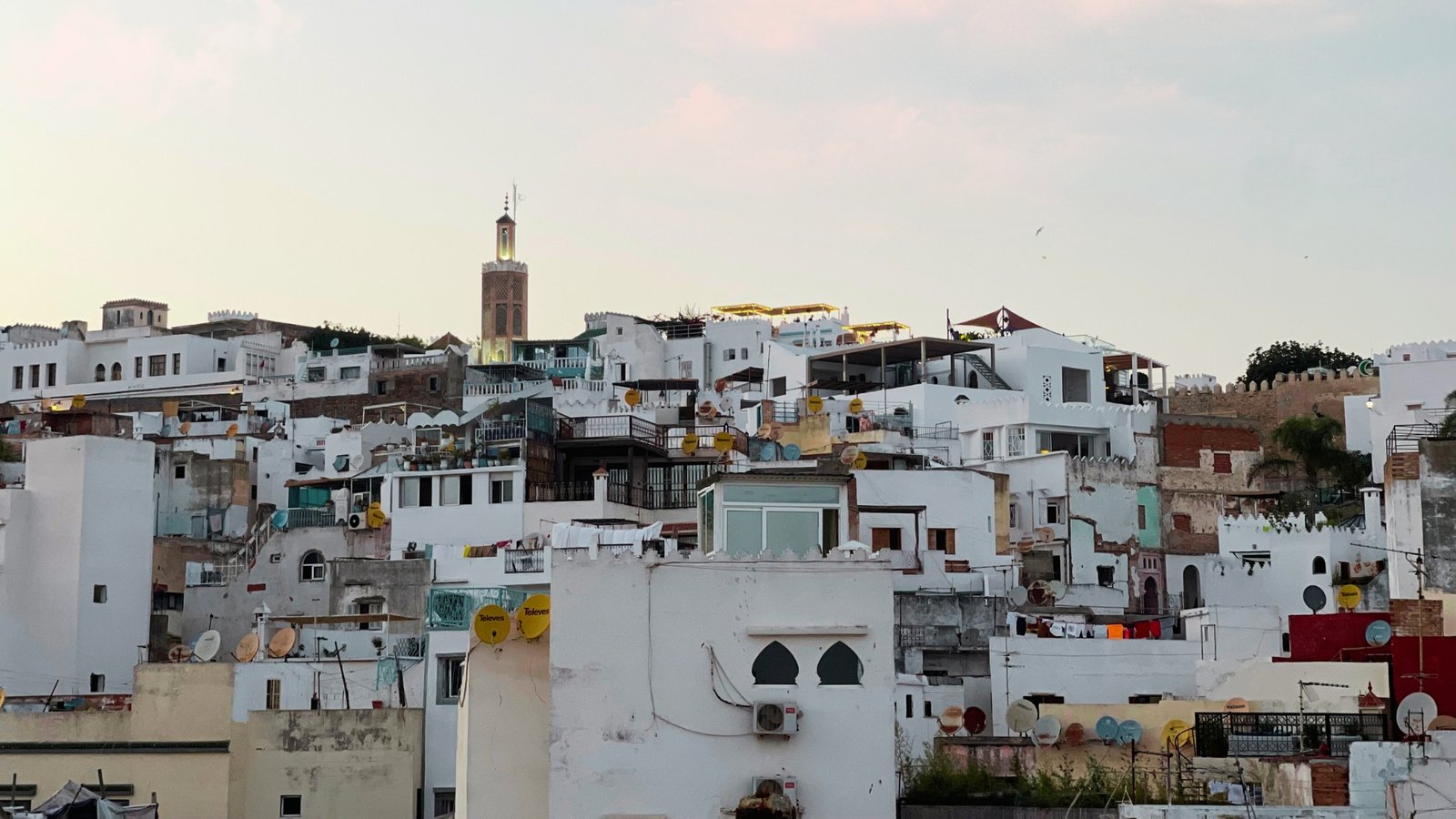
The medina of Asilah is a living museum where visitors can witness the harmonious coexistence of these architectural influences. Walking through its narrow, winding streets reveals:
- The imposing Portuguese gate, Bab Homar, welcoming visitors into a town enriched by centuries of history.
- Whitewashed houses with colorful window frames and intricately decorated doors.
- Small artisanal shops and galleries nestled inside restored riads, preserving the ambiance while promoting local art.
This blend naturally invites travelers to appreciate the architecture not just as buildings but as living expressions of cultural exchange.
Practical Tips for Travelers
- Wear comfortable shoes: The cobbled streets and slight inclines require good footwear.
- Visit during the Asilah Arts Festival (August): for an immersive cultural experience where local artists display murals that complement the medina’s architecture.
- Explore the city walls: Take time to walk along the fortifications for breathtaking views of the Atlantic Ocean.
Staying Within the Heart of Architectural Splendor
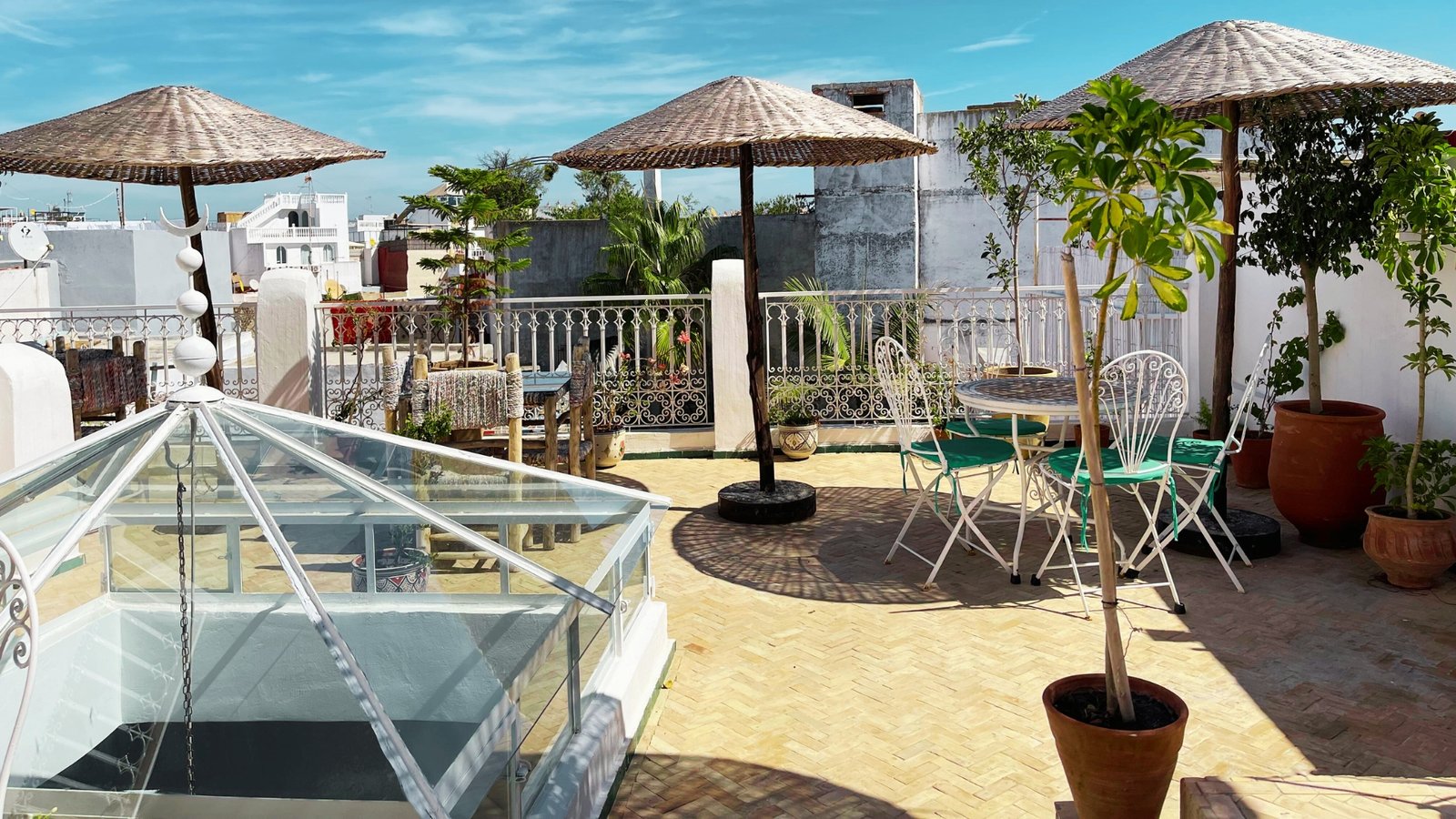
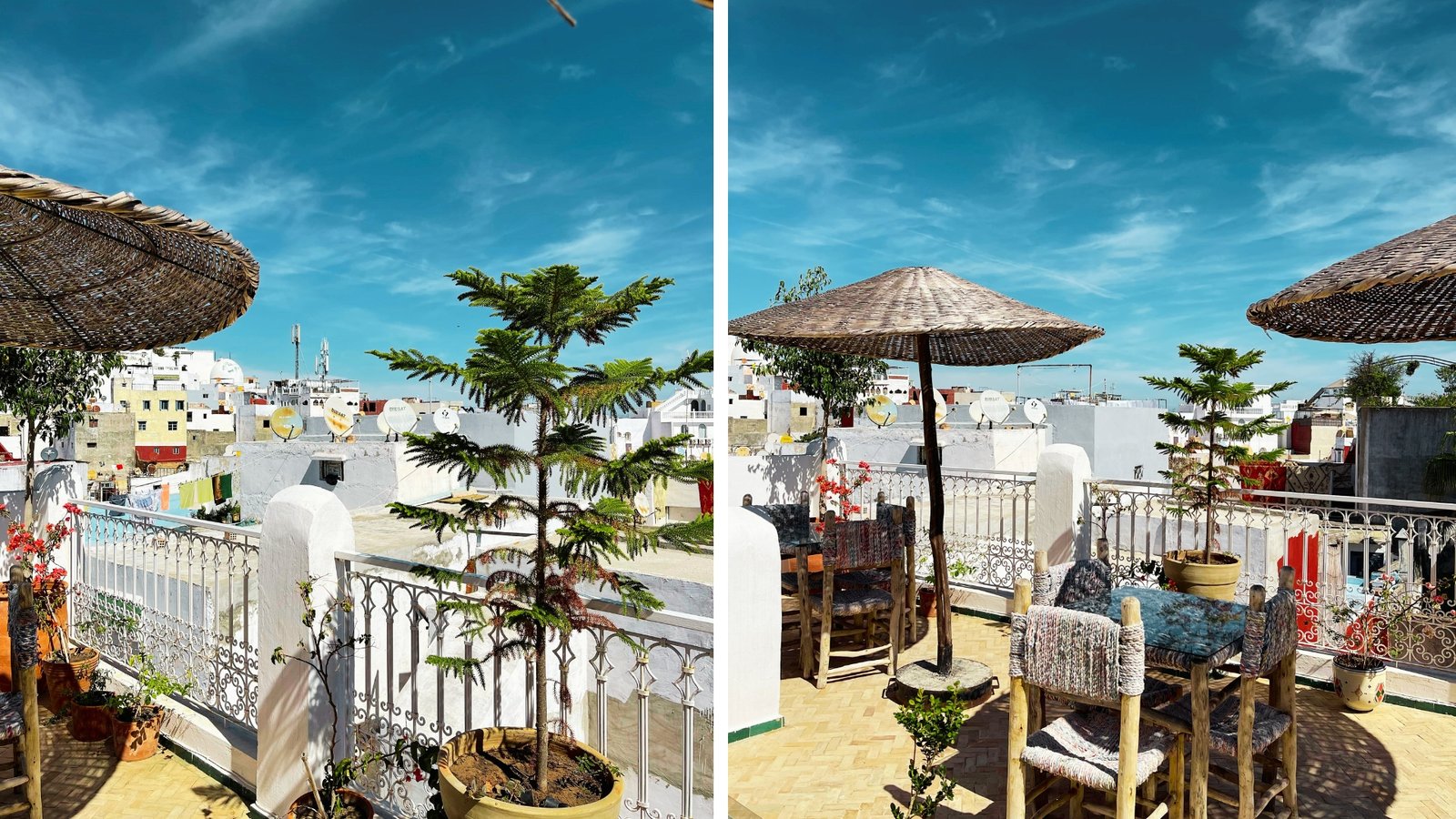
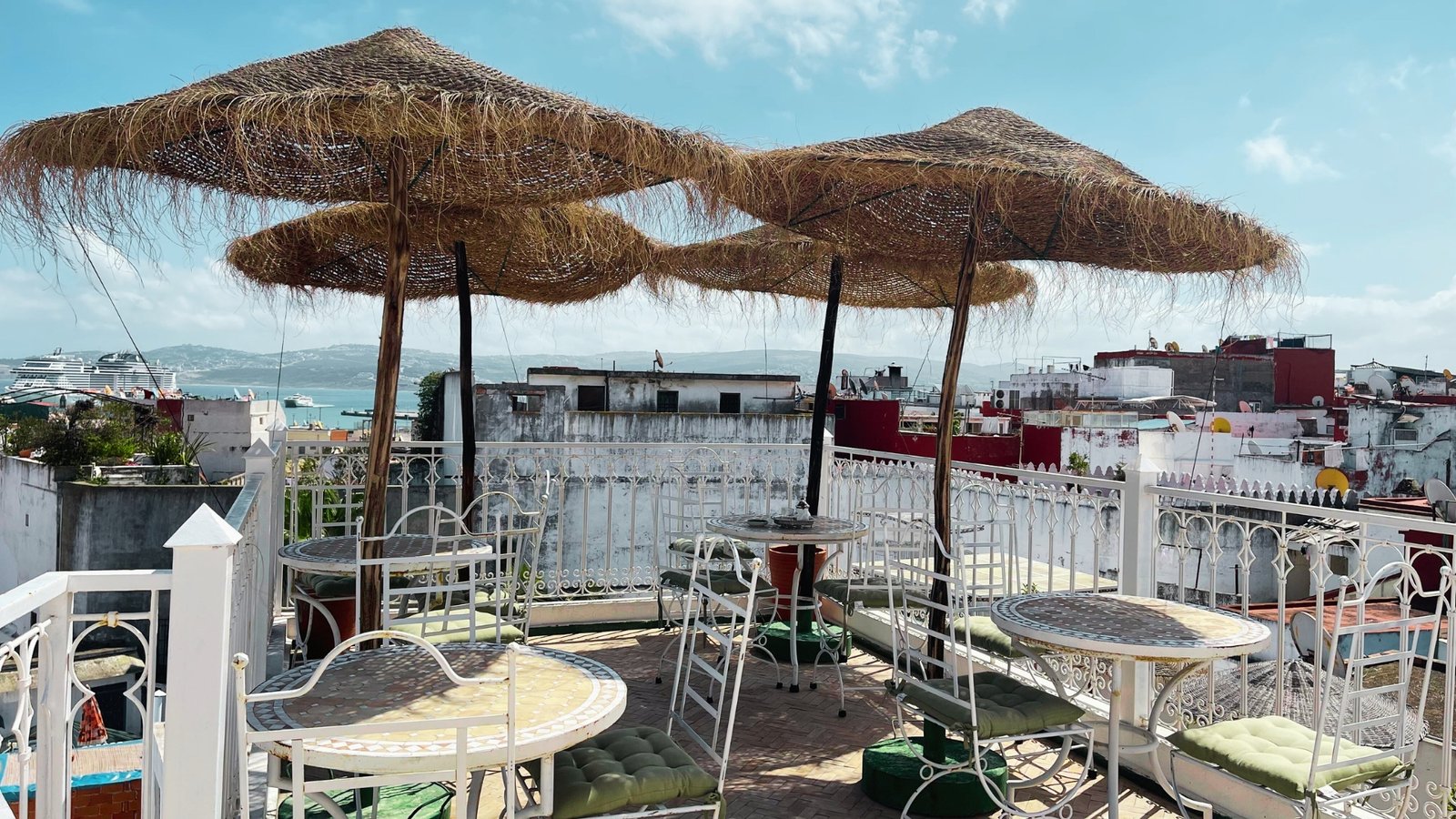
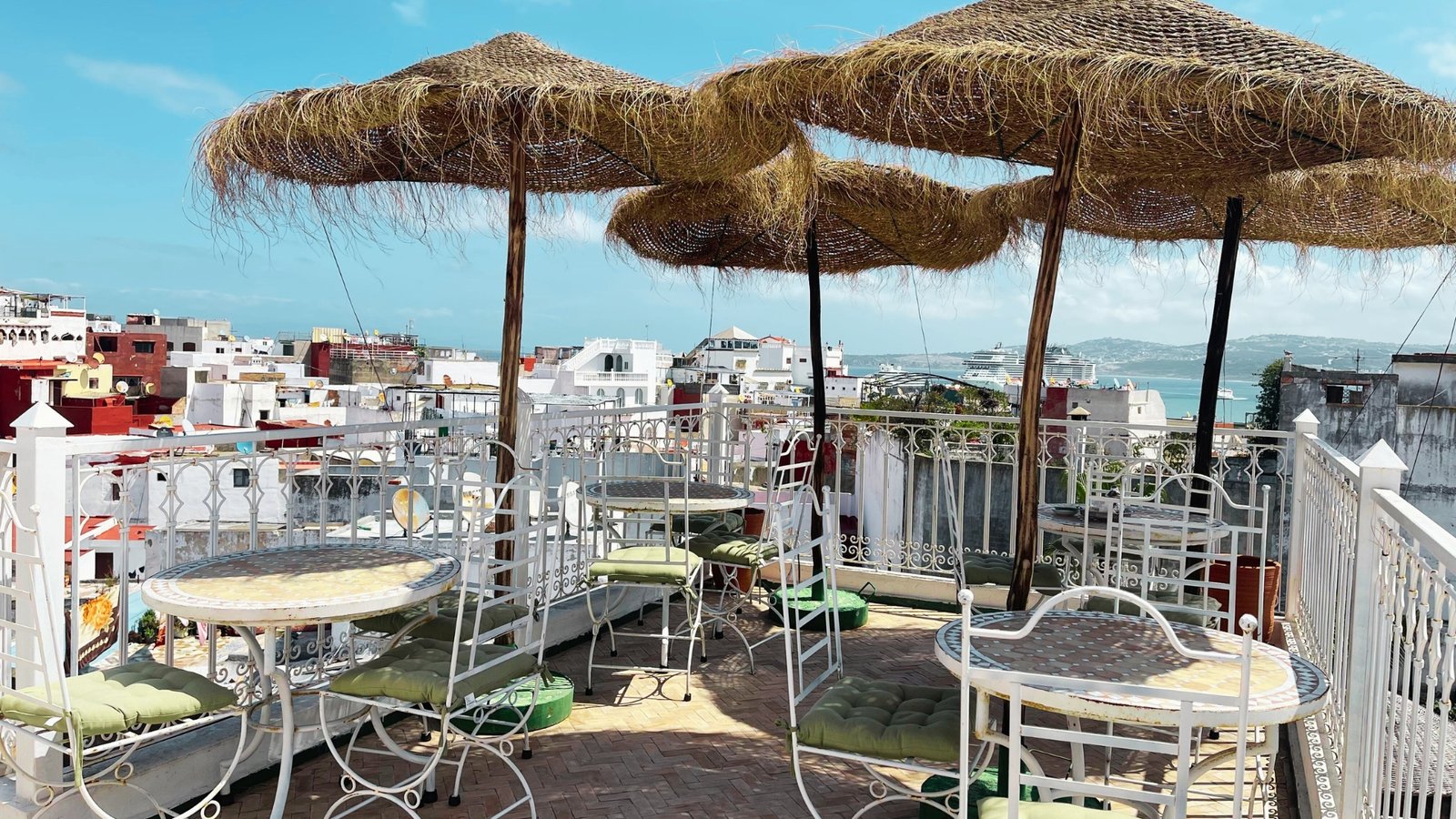
For those wishing to immerse themselves fully in Asilah’s architectural beauty, staying within the medina is essential. One must-consider accommodation option is the Riad Sultana in Tangier, conveniently located within the Kasbah Medina of nearby Northern Morocco.
- Although not in Asilah proper, Riad Sultana offers an authentic experience of Andalusian-Moroccan riad architecture, providing insight into Northern Morocco’s traditional style.
- The riad’s serene interior courtyard, intricate tilework, and proximity to historic areas make it an ideal base for those exploring the region’s architectural and cultural gems.
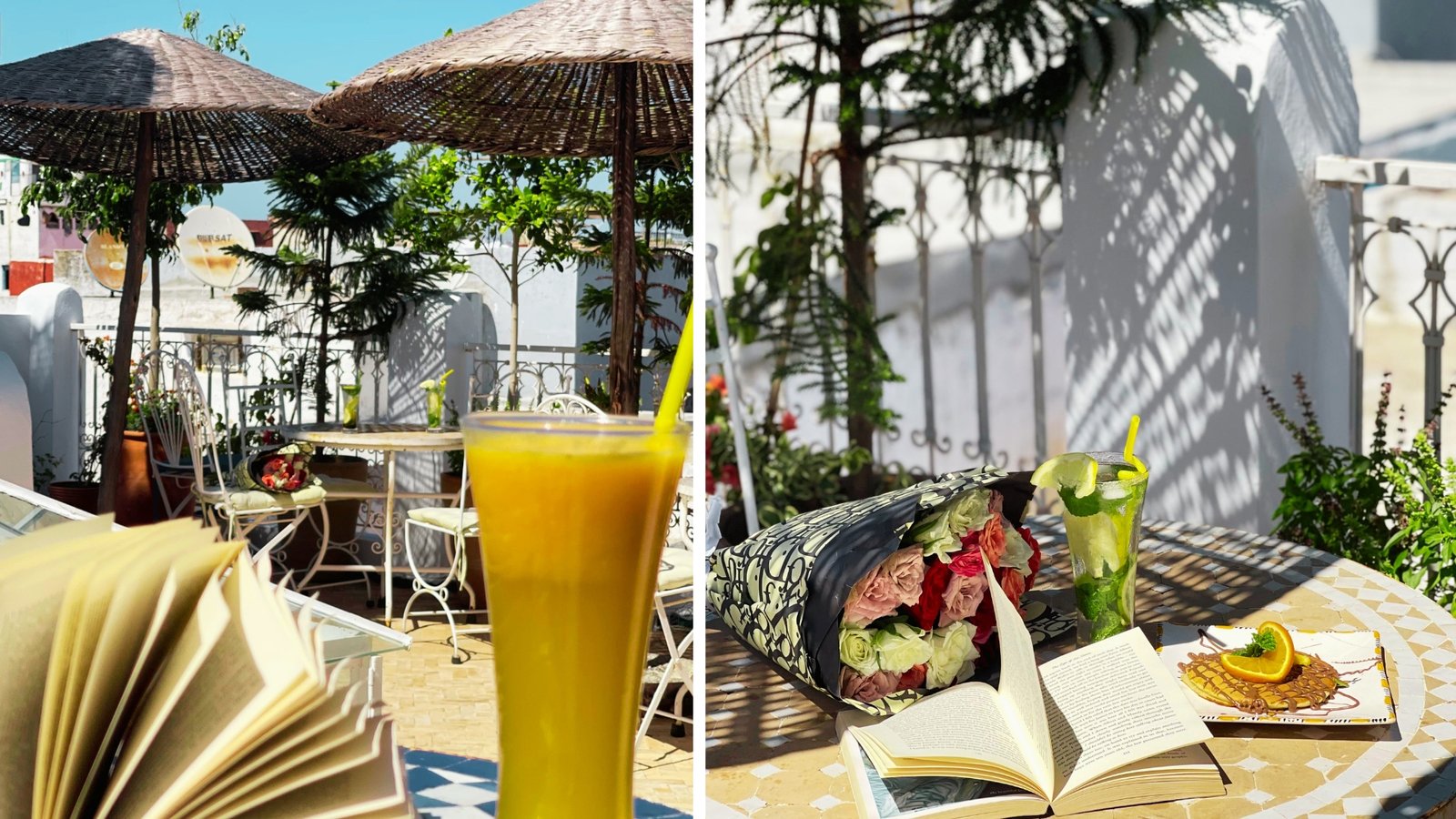
- Guests benefit from warm Moroccan hospitality while enjoying a safe and romantic atmosphere, perfectly reflecting the medina’s timeless charm.
Why the Blend of Fortifications and Riads Matters Today
Understanding the architecture of Asilah is more than an academic exercise; it reveals the resilience and adaptability of this coastal town. Through centuries of change, the fusion of Portuguese defensive designs and Andalusian artistic influences has created a cultural landscape that continues to inspire artists, architects, and travelers.
Moreover, the preservation of such architecture highlights Morocco’s commitment to maintaining its historical identity, making Asilah a remarkable example of living heritage.
Internal Link Suggestions
- Explore the charms of the Kasbah Medina in Tangier
- Discover Andalusian influences in Moroccan Riad Architecture
- A guide to the Portuguese Forts in Northern Morocco
Frequently Asked Questions
Q1: What makes the architecture of Asilah unique compared to other Moroccan cities?
The unique blend of Portuguese military fortifications alongside Andalusian-Moroccan riads sets Asilah apart, reflecting its historical role as a strategic coastal town and cultural melting pot.
Q2: Are the Portuguese fortifications open to visitors?
Yes, many of the walls and bastions in Asilah’s medina are accessible to the public, offering stunning panoramic views and a chance to walk through history.
Q3: Can visitors stay in traditional Andalusian riads in Asilah?
Yes, there are several charming riads available for accommodation within the medina, allowing travelers to experience authentic Moroccan hospitality and architectural beauty.