

Estimated reading time: 5 minutes
- Asilah’s architecture reflects a blend of Portuguese and Andalusian-Moroccan influences.
- Portuguese fortifications showcase military history and design.
- Andalusian-Moroccan riads are characterized by their intimate and artistic styles.
- The town’s architecture provides a rich visual journey through its diverse cultural heritage.
- Staying in a riad offers an authentic Moroccan experience.
Table of Contents
- The Historical Background of Asilah’s Architecture
- Portuguese Influence: Fortifications and City Walls
- Andalusian-Moroccan Riads: Elegance Within the Medina
- How the Blend Defines Asilah’s Unique Charm
- Practical Tips for Exploring Asilah’s Architecture
- Staying Within Architectural Heritage: Experience Authentic Moroccan Living
The Historical Background of Asilah’s Architecture
Portuguese Influence: Fortifications and City Walls
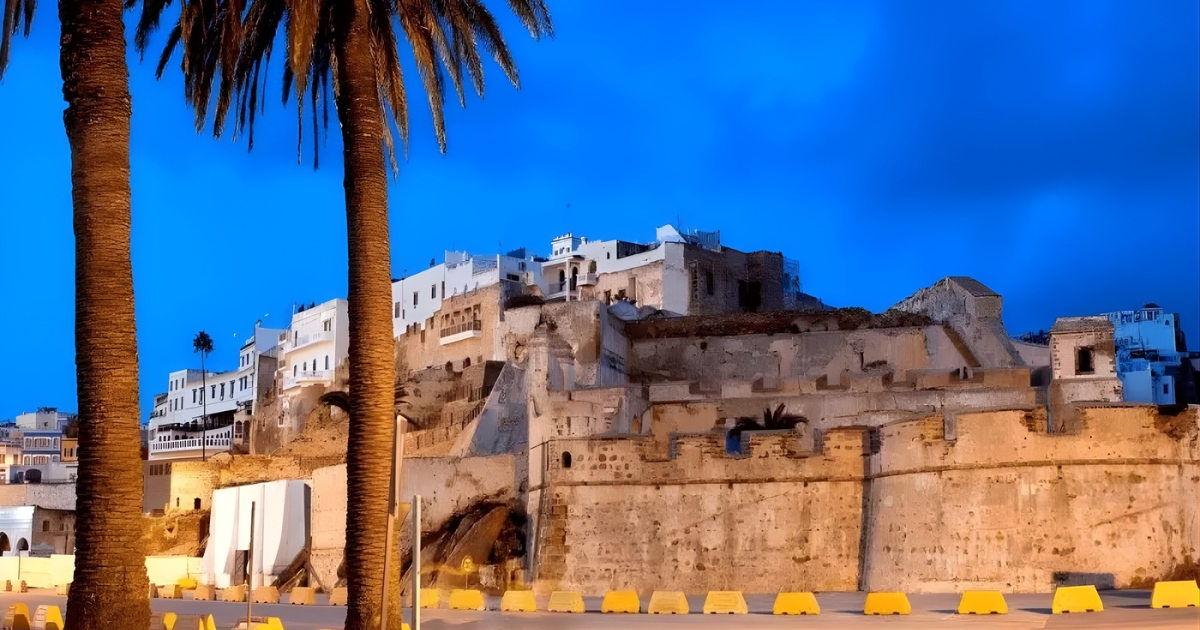
In the 15th and 16th centuries, Portuguese forces occupied parts of Northern Morocco, including Asilah. This period left a lasting architectural legacy visible in the town’s sturdy fortifications. The Portuguese constructed:
- Massive city walls: These encircle Asilah’s medina, providing protection from invaders and the Atlantic weather.
- Bastions and watchtowers: Strategically placed to monitor the coastline, these defensive structures are well-preserved reminders of the town’s military significance.
- Gates like Bab Homar: These entryways showcase a mix of Renaissance military architecture with local makeup, serving as both functional and ornamental structures.
These fortifications form the backbone of Asilah’s historical architecture and continue to be a major draw for visitors interested in military history and medieval design.
Andalusian-Moroccan Riads: Elegance Within the Medina
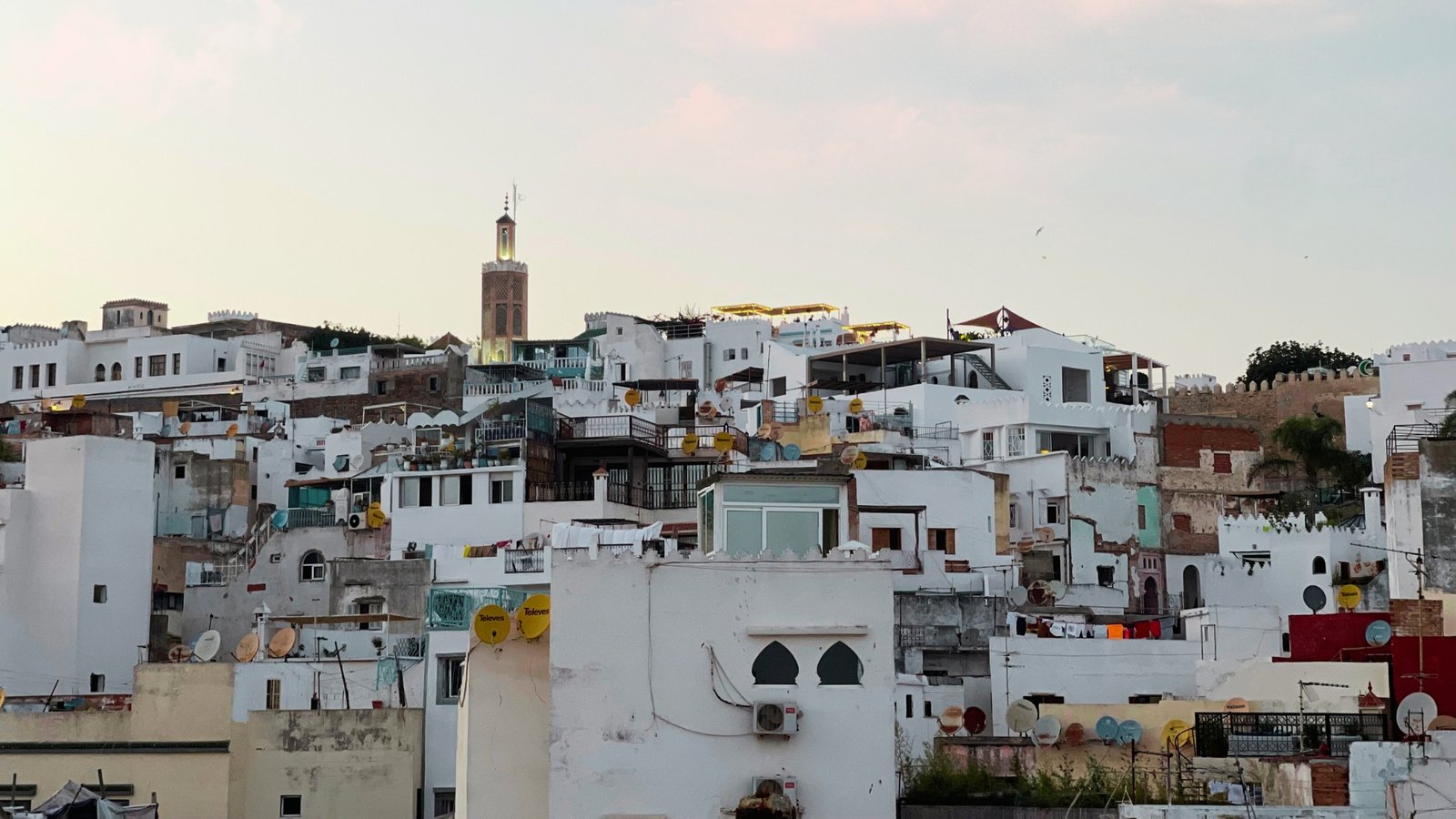
Beyond the formidable walls lies the medina, where you’ll find the softer, more intimate architectural style of Andalusian-Moroccan riads:
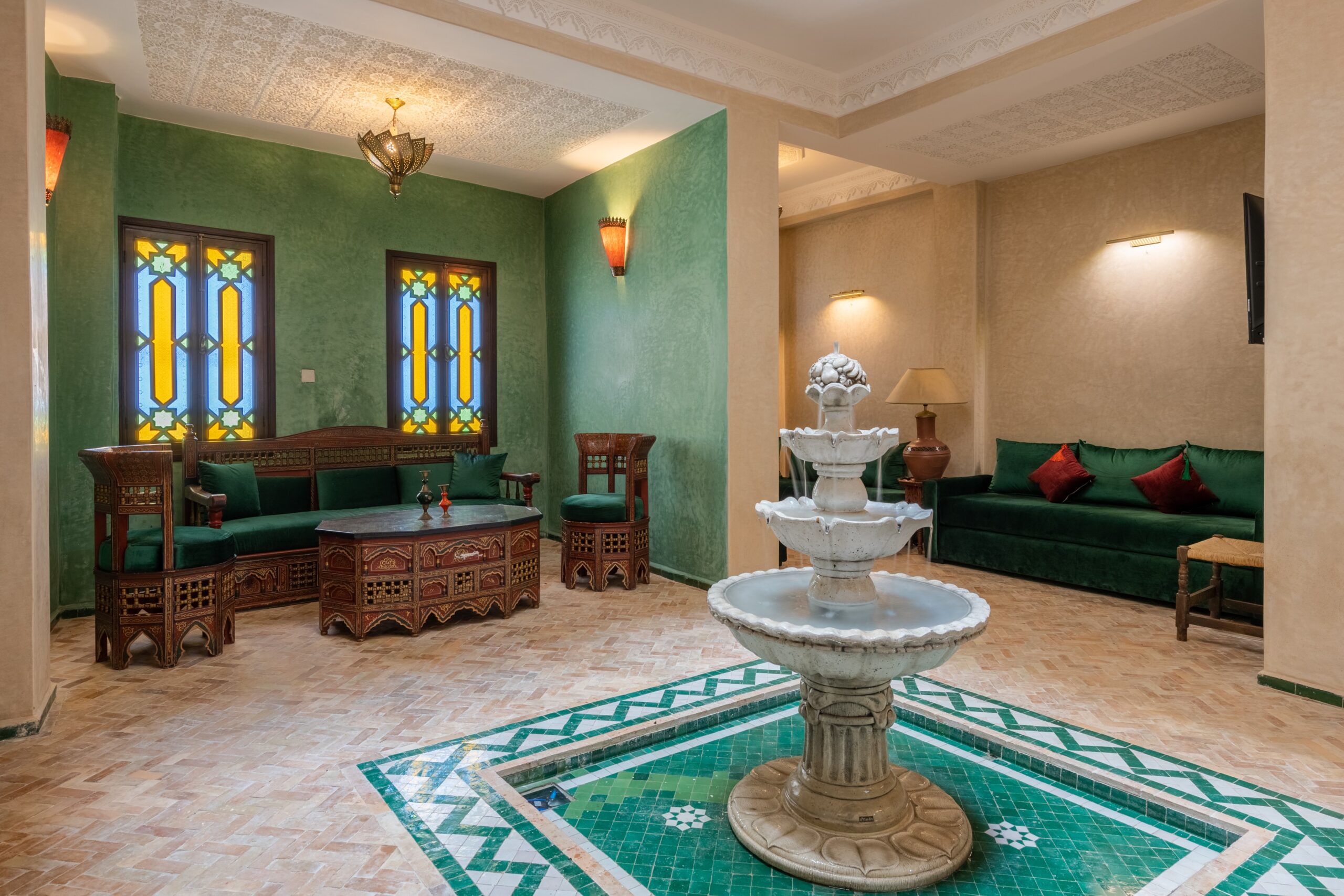
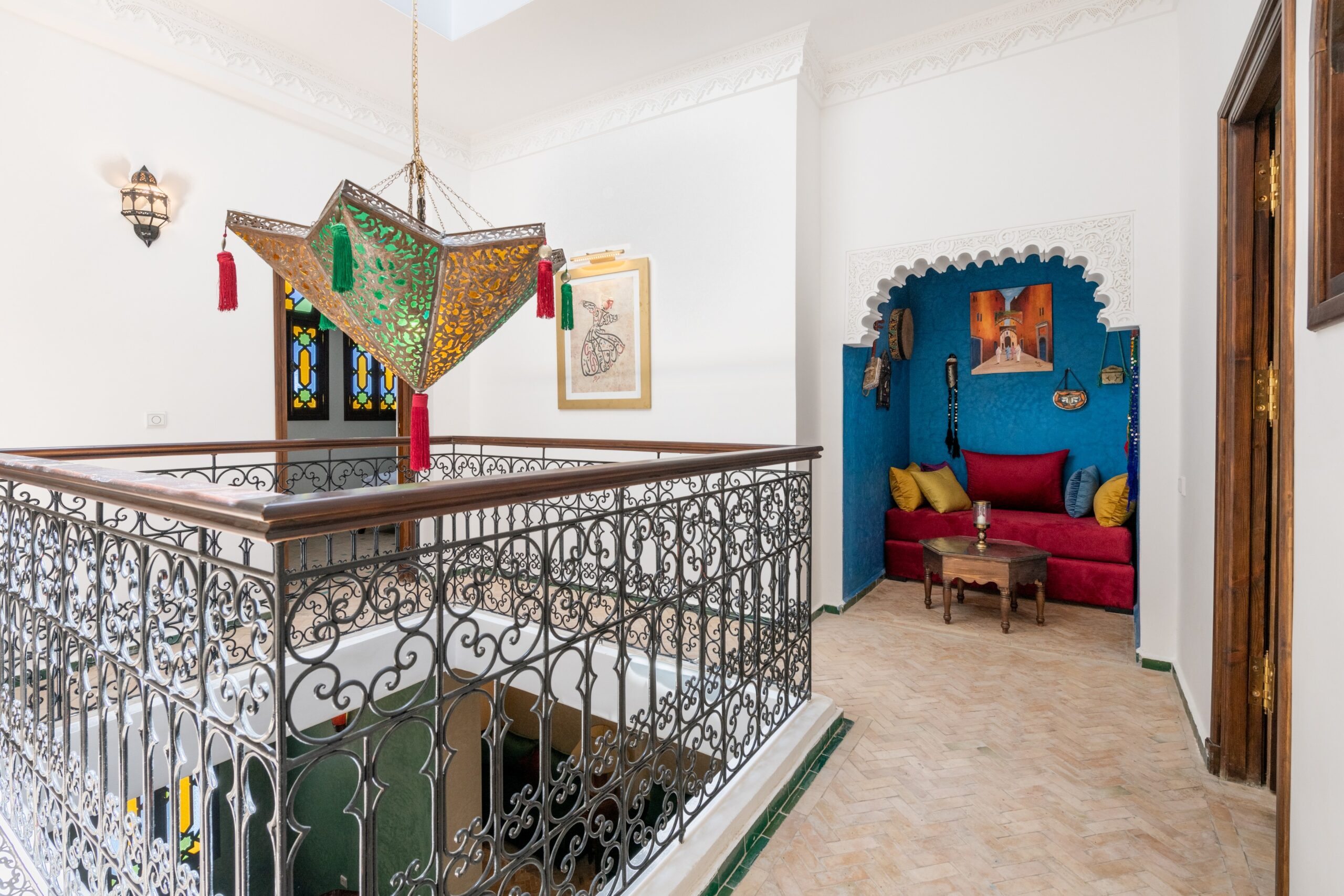
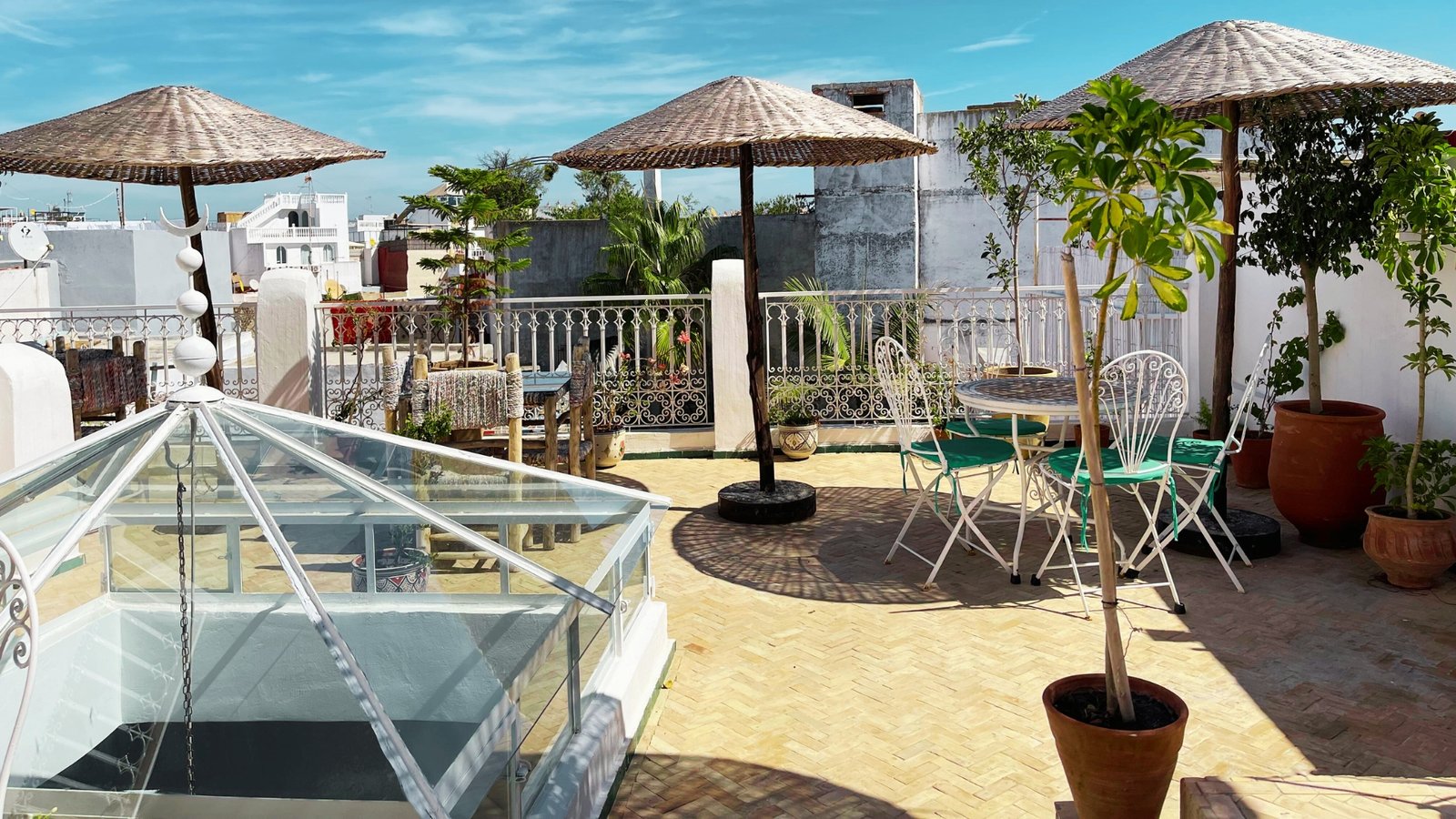
- Courtyard-centered homes: Riads are designed around lush inner courtyards or gardens, providing privacy and natural cooling.
- Ornamental tilework (zellij): Intricate mosaic patterns in vibrant blues, greens, and earth tones adorn floors and walls.
- Stucco and carved plaster: Elaborate, hand-carved floral and geometric motifs add elegant details to ceilings and archways.
- Woodwork and lattice screens: Cedar wood and mashrabiya elements offer both decorative beauty and shade.
This architectural style reflects centuries of Andalusian influence, brought to Morocco by refugees following the Reconquista, blending harmoniously with Moroccan craftsmanship and sensibilities.
How the Blend Defines Asilah’s Unique Charm
The juxtaposition between the robust, utilitarian Portuguese fortifications and the intimate, artistic Andalusian-Moroccan riads shapes the very soul of Asilah. This contrast:
- Provides visitors a visual journey through different eras and cultural influences.
- Creates a diverse streetscape—exploring the fortified ramparts and narrow, tiled alleyways offers dynamic experiences.
- Emphasizes the town’s strategic maritime importance alongside its rich domestic life and artistry.
Walking through Asilah, travelers move seamlessly from imposing stone battlements to tranquil courtyards alive with the scent of orange blossoms and the sound of flowing water.
Practical Tips for Exploring Asilah’s Architecture
To fully appreciate the architecture of Asilah, consider the following advice:
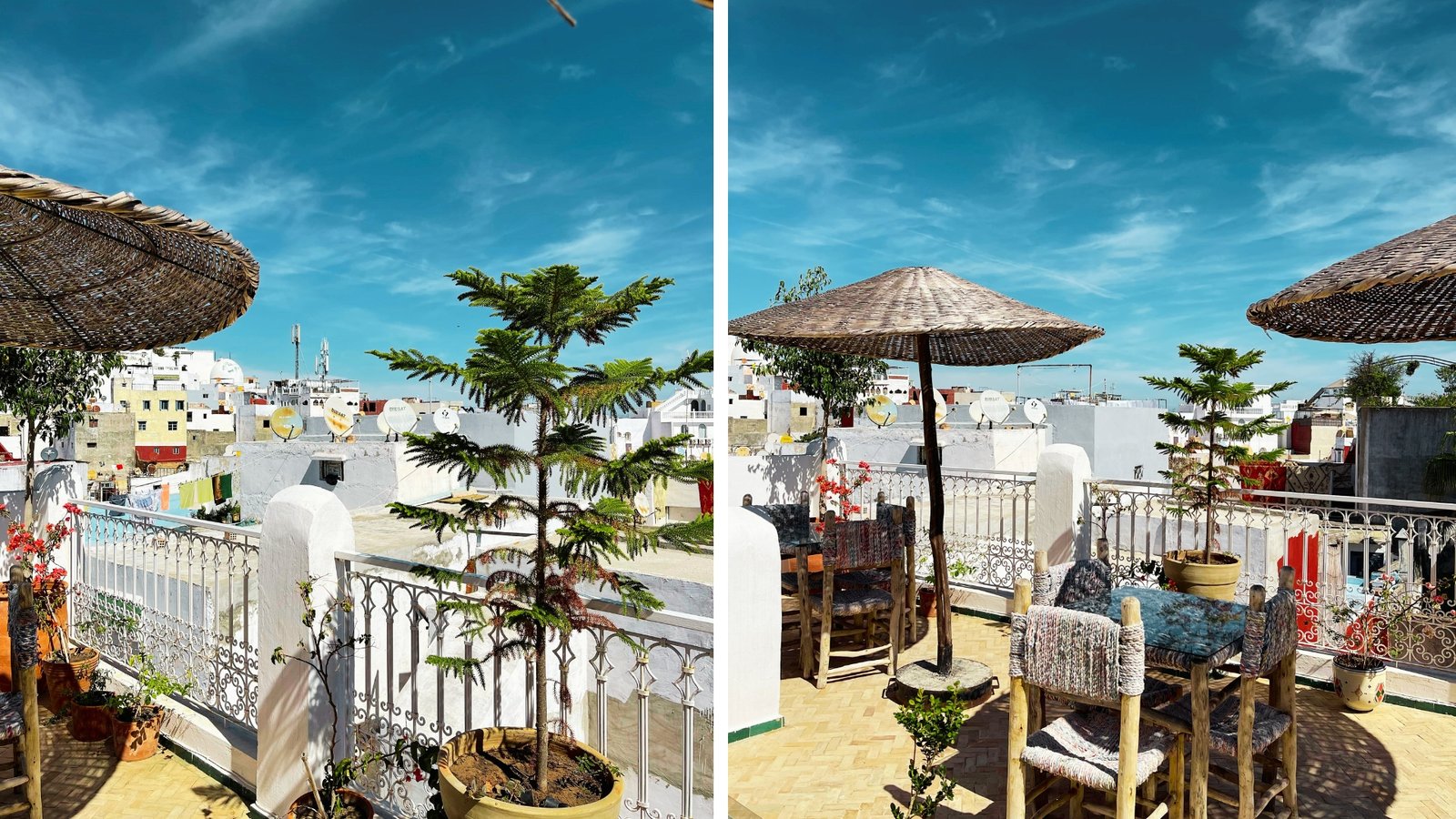
- Start at the ramparts: Walk along the city walls to understand the town’s defensive importance. The views over the ocean and medina rooftops are spectacular.
- Enter through Bab Homar gate: Explore the lively medina, where the riads are hidden gems amid artisan shops and cafes.
- Visit during the annual cultural festival: Asilah’s renowned arts festival breathes new life into the town, often featuring exhibitions and installations highlighting local and historic architecture.
- Hire a knowledgeable guide: To gain deeper insights into the fusion of styles, a local guide can provide background on specific buildings and neighborhoods.
- Respect private property: Many riads are private homes or guesthouses, so always ask permission before entering.
Staying Within Architectural Heritage: Experience Authentic Moroccan Living
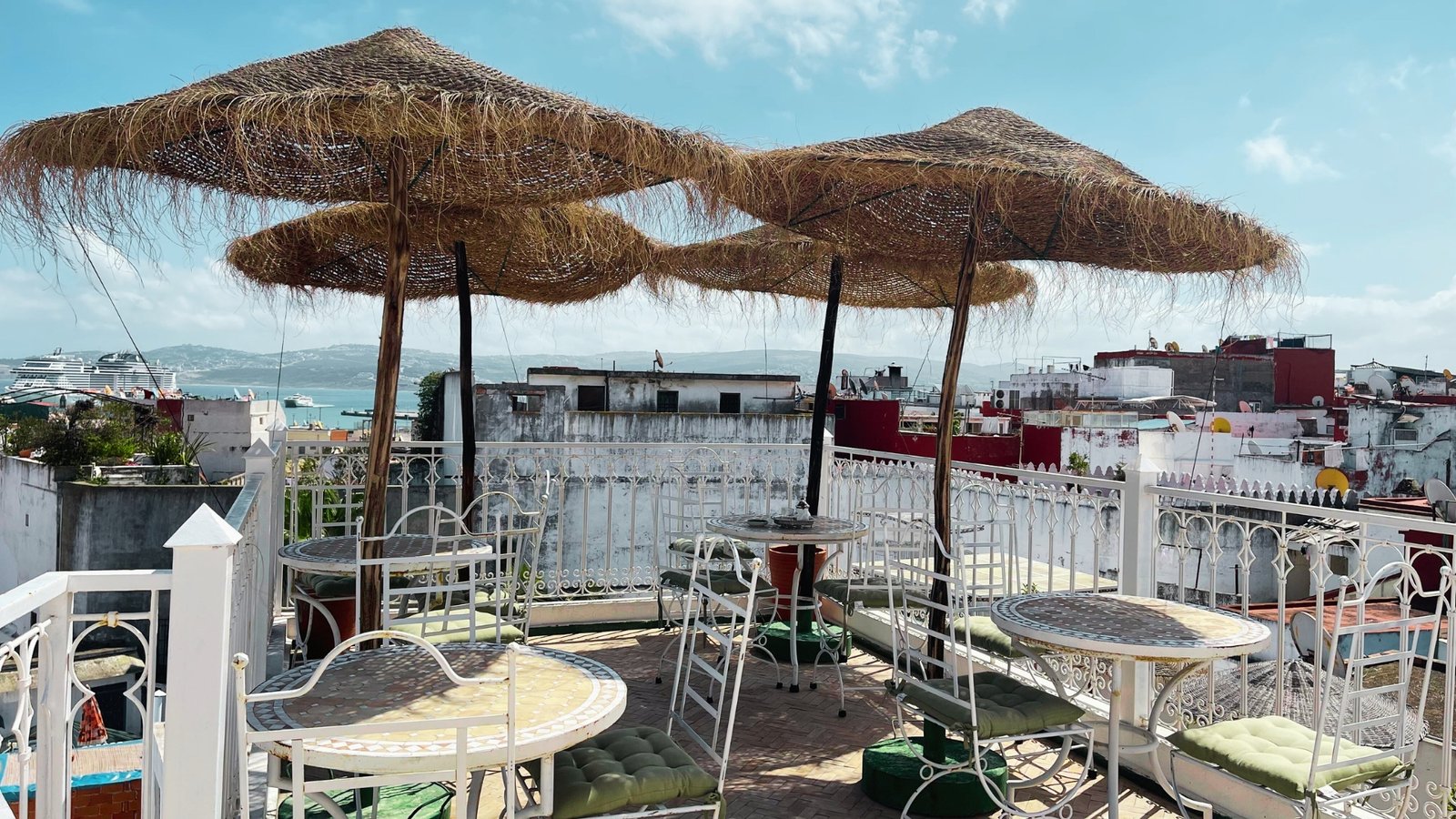
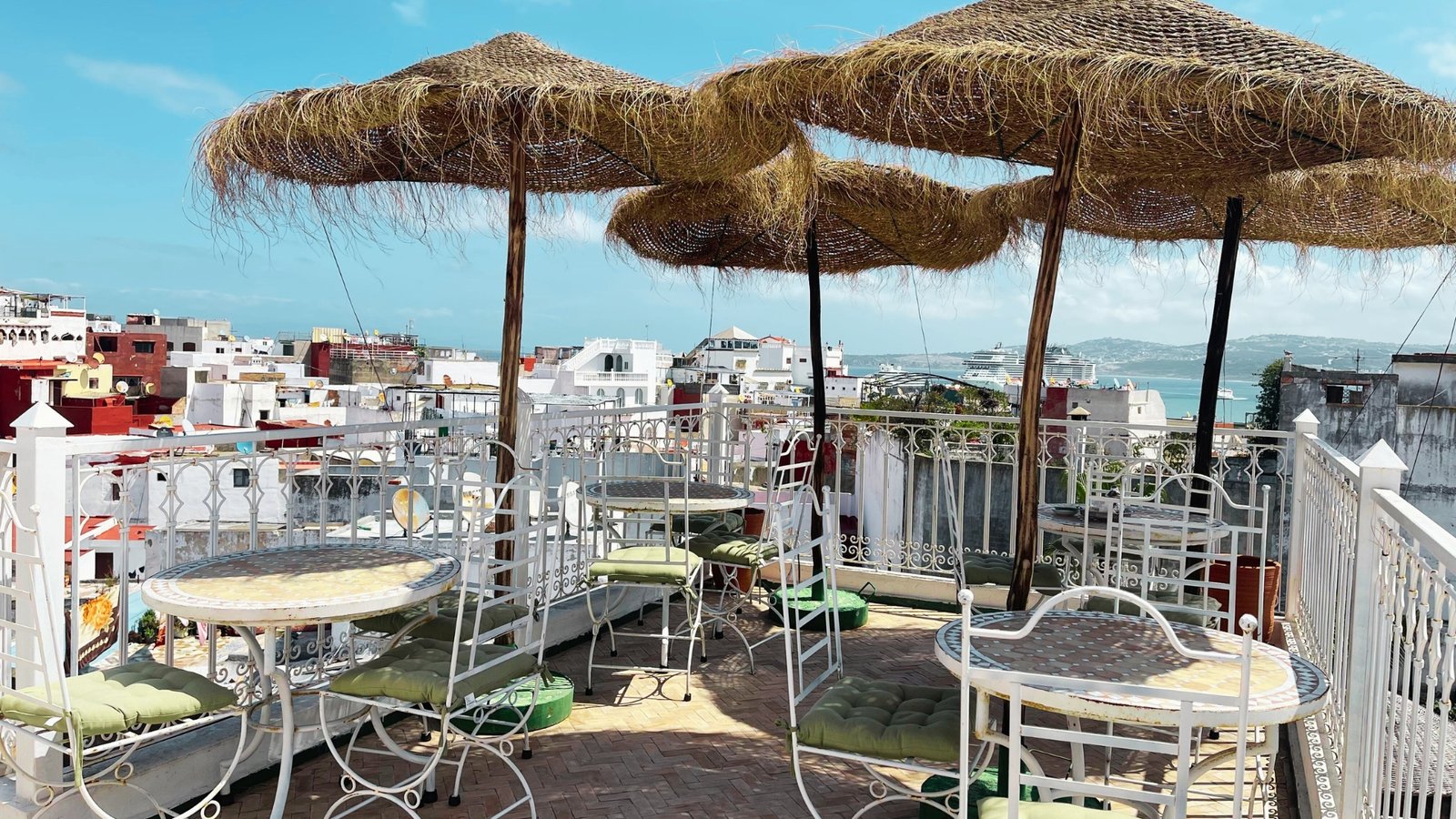
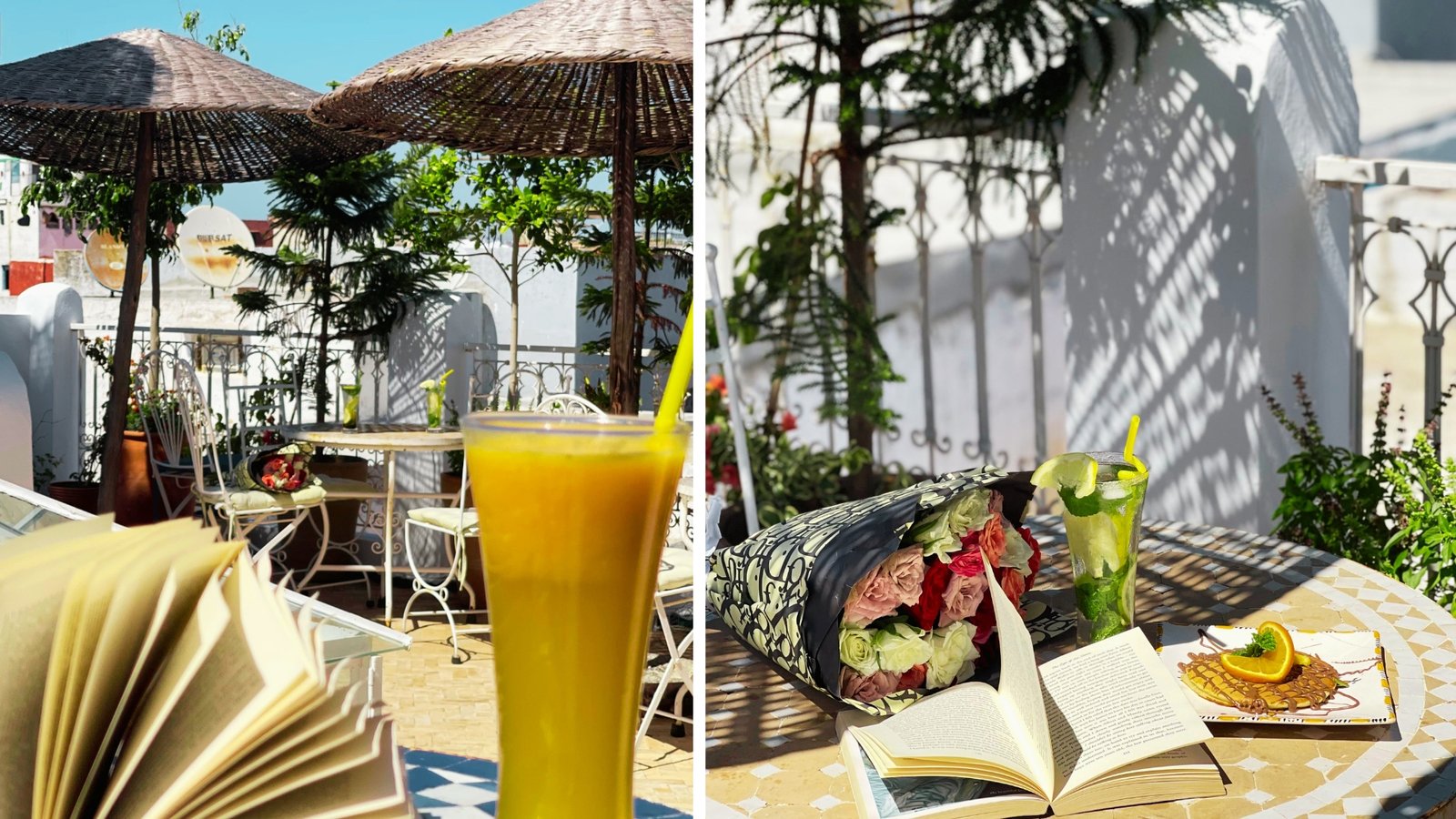
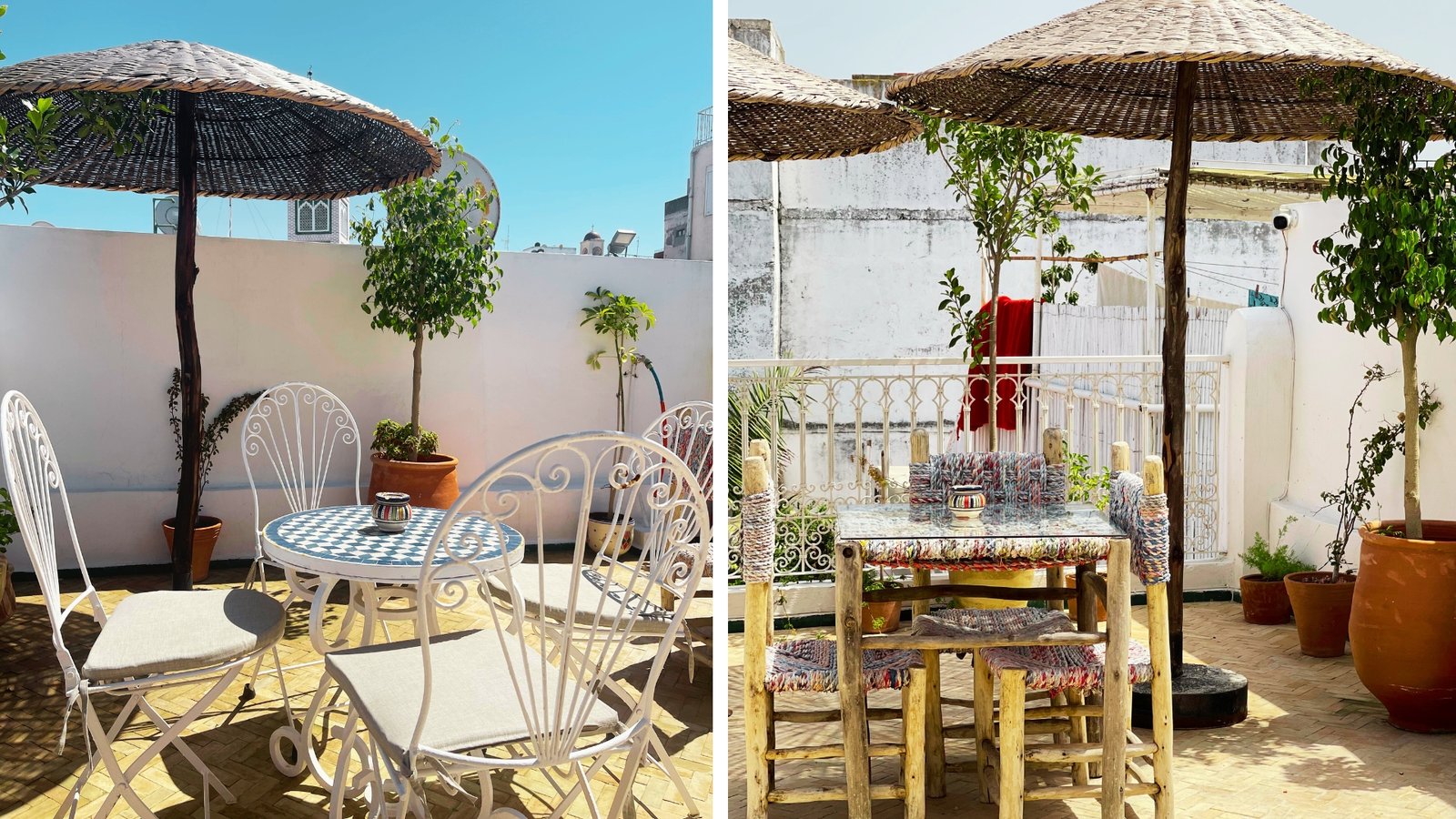
For travelers who want to immerse themselves in the spirit of Asilah’s architectural heritage, staying in a traditional riad is an exceptional choice. Although Asilah offers several charming accommodations, those venturing to nearby Tangier should consider a stay at Riad Sultana Tangier. This riad embodies the Andalusian-Moroccan style with its serene courtyard, intricate tilework, and warm hospitality — an ideal base for exploring northern Morocco’s architectural treasures, including Asilah.
With its location nestled in Tangier’s historic Kasbah, Riad Sultana provides travelers with a peaceful retreat reflecting authentic design elements similar to those found in Asilah’s riads. The combination of rich cultural ambiance and proximity to key sites ensures a memorable Moroccan experience.
FAQs
What makes the architecture of Asilah different from other Moroccan cities?
Asilah uniquely combines Portuguese military fortifications with delicate Andalusian-Moroccan riads, showing a blend of European and North African styles seldom seen elsewhere.
Can visitors tour inside the Portuguese fortifications in Asilah?
Yes, most of the city walls and bastions are accessible to the public, offering panoramic views and historical information on plaques throughout.
Are riads in Asilah open to tourists, or are they private homes?
Many riads in Asilah remain private residences, but an increasing number have been converted into guesthouses. Visitors should always seek permission before entering.