

Estimated reading time: 5 minutes
- Asilah features a unique blend of Portuguese fortifications and Andalusian-Moroccan riads.
- The town’s architecture reflects a deep historical significance influenced by various cultures.
- Key attractions include massive stone walls, intricate riads, and vibrant cultural experiences.
- Staying at Riad Sultana offers an authentic taste of Moroccan architectural charm.
Table of Contents
- The Historical Layers Behind the Architecture of Asilah
- Portuguese Fortifications: Defenders of the Coast
- Andalusian-Moroccan Riads: Courtyards of Serenity and Art
- Experiencing the Architecture of Asilah in Practice
- Where to Stay to Experience Northern Morocco’s Architectural Charm
- Final Thoughts: The Enduring Appeal of the Architecture of Asilah
The Historical Layers Behind the Architecture of Asilah
The architectural identity of Asilah is deeply influenced by its layered history. The town was a strategic coastal stronghold first dominated by the Portuguese in the 15th and 16th centuries, evident in the solid fortifications guarding the old city. Later, the Andalusian influx, especially after the Reconquista period in Spain, brought a wave of architectural traditions that mingled with native Moroccan styles to give birth to the iconic riads and medina houses seen today.
Portuguese Fortifications: Defenders of the Coast
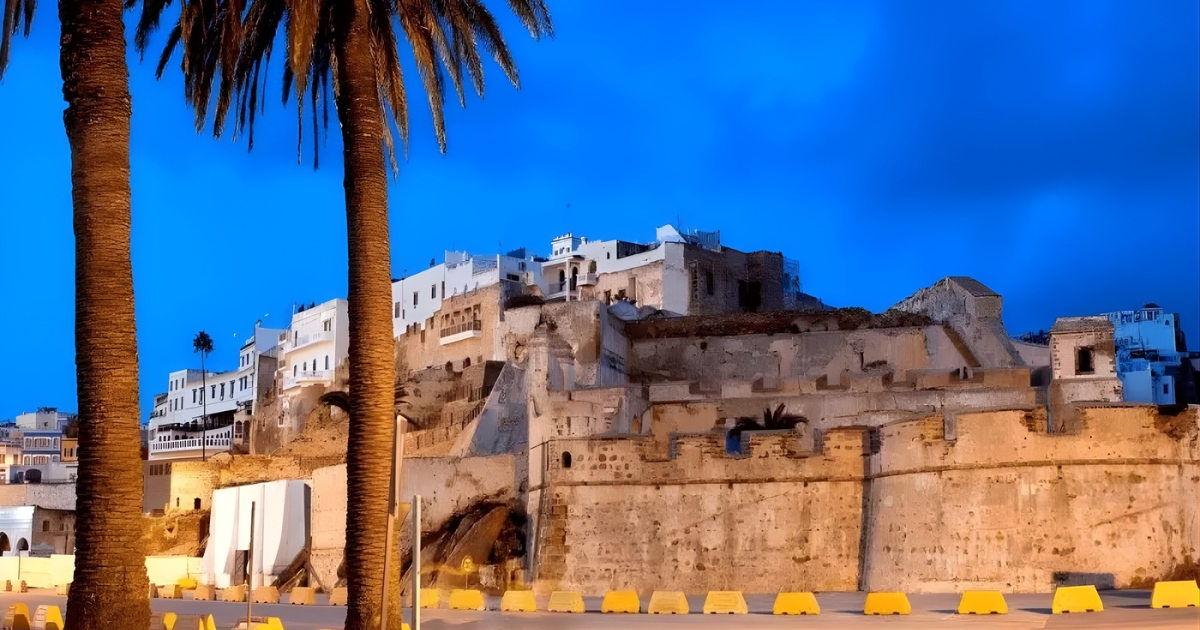
The Portuguese period, spanning from 1471 to 1549, left a monumental legacy visible in Asilah’s defensive structures:
- Massive stone city walls: These walls, often crenelated, were built to repel invaders and protect the harbor.
- Bastions and watchtowers: Strategically placed to oversee sea approaches and landward defense.
- Gates with wooden doors and iron studs: Leading into the medina, they showcase medieval military design.
- Simple yet functional design: The fortifications prioritize defense over decoration, featuring smooth limestone and robust masonry.
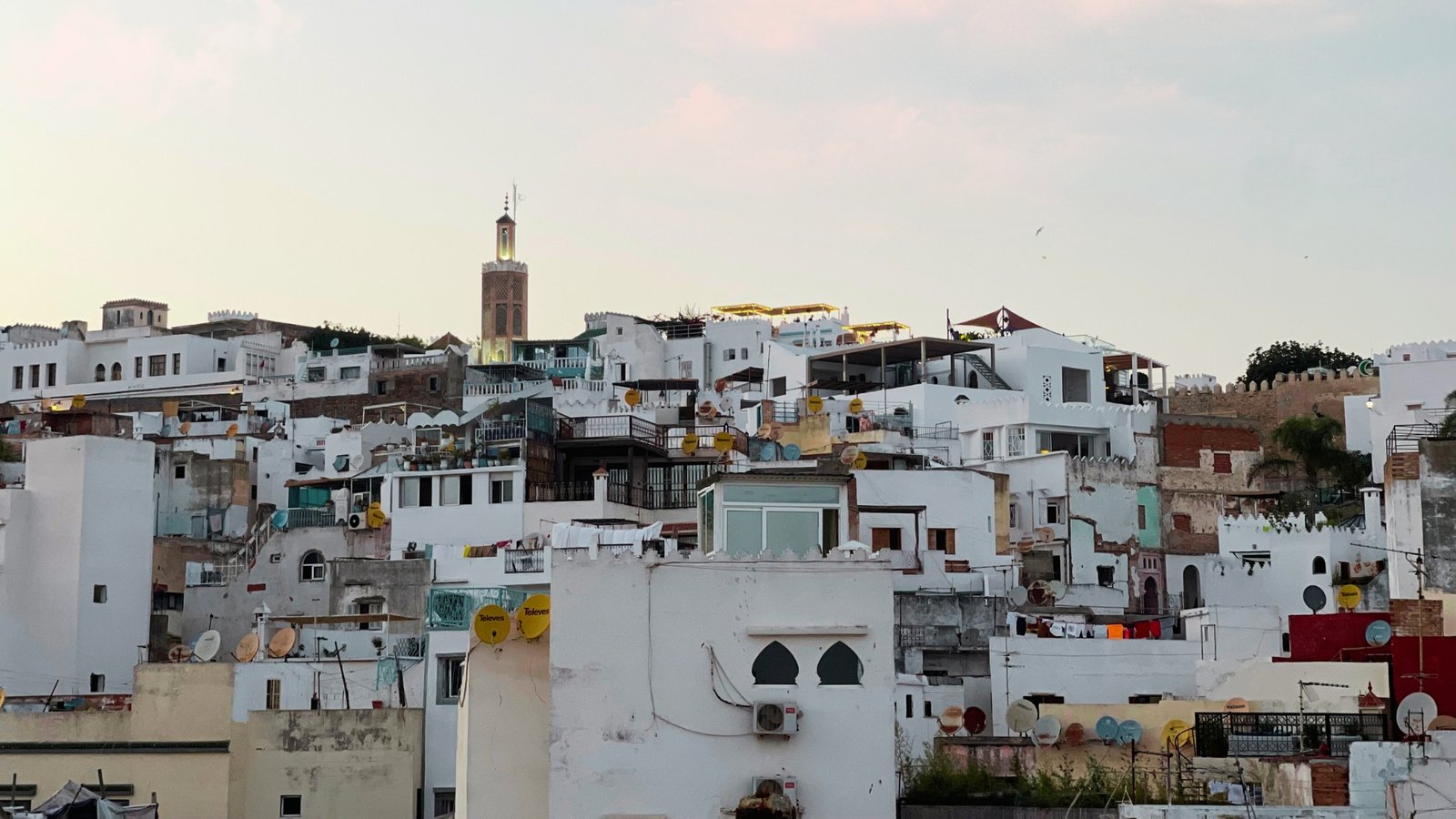
Today, walking along Asilah’s ramparts offers stunning views of the Atlantic Ocean alongside the town’s whitewashed medina, illustrating the marriage of utility and scenic beauty.
Andalusian-Moroccan Riads: Courtyards of Serenity and Art
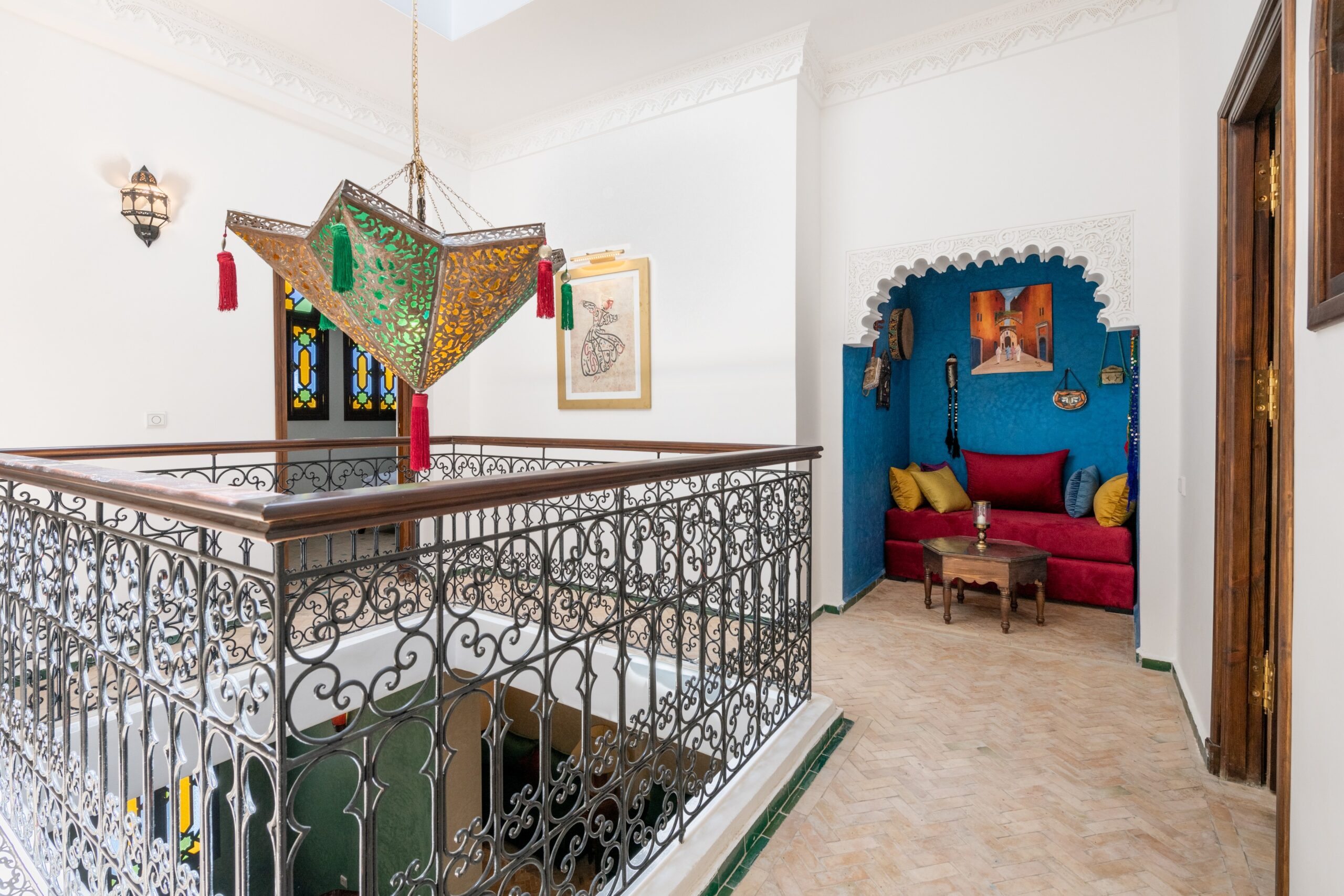
Inside Asilah’s medina, the contrasting softness of Andalusian-Moroccan riads invites visitors into a different world. Riads—traditional Moroccan houses built around central open-air courtyards—are celebrated for their architectural elegance and intimate atmosphere.
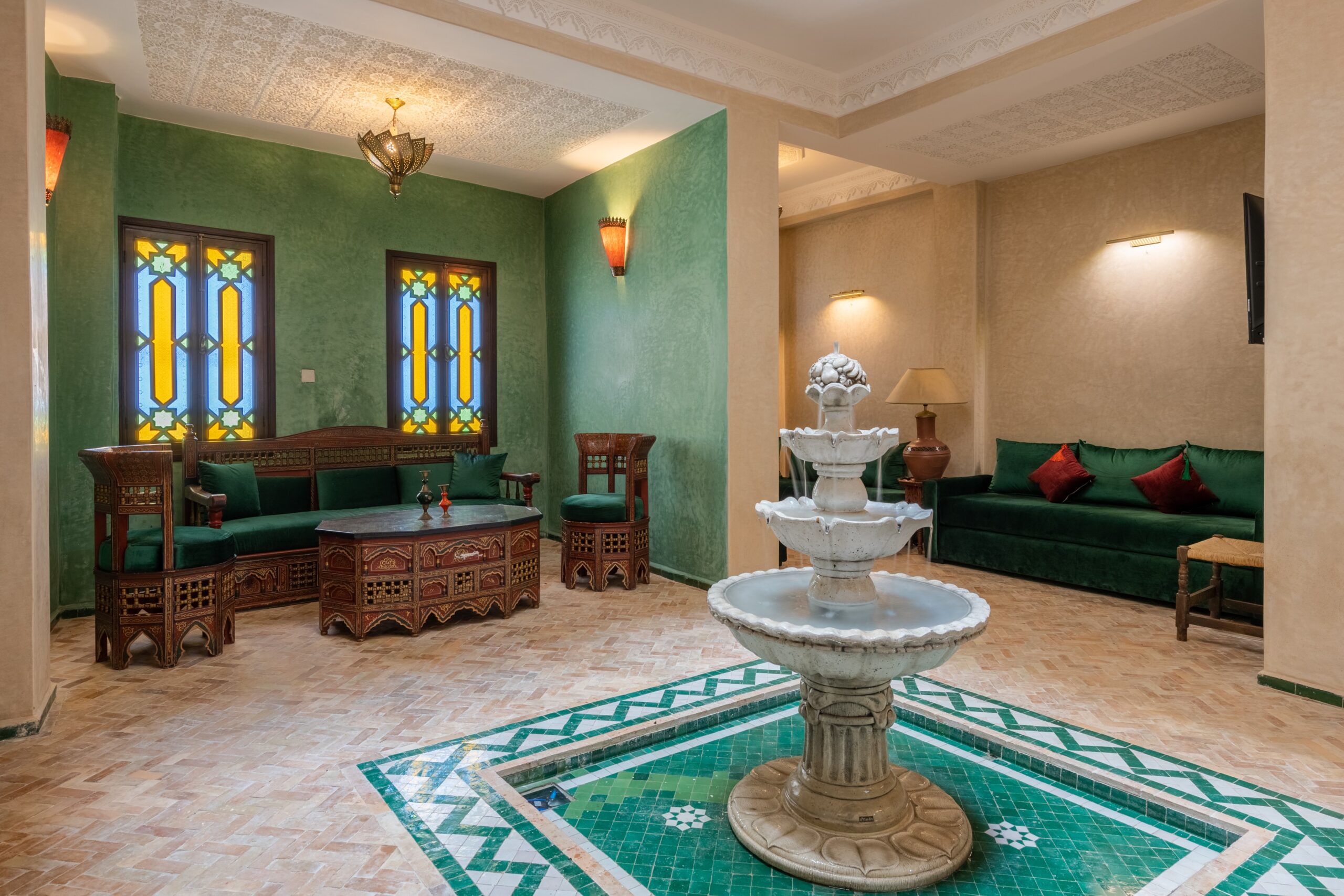
- Central courtyards with gardens or fountains: Providing natural light, ventilation, and a tranquil ambiance.
- Mosaic zellige tiles: Arranged intricately to decorate walls, floors, and fountains in geometric patterns.
- Stucco and carved cedar woodwork: Highlighting skilled craftsmanship in arches, doorways, and ceilings.
- Whitewashed walls: Offering a cool, clean aesthetic that contrasts beautifully with the colorful interior decorations.
- Andalusian influence: Evident in the symmetrical layouts, use of water, and elaborate ornamentation derived from Spain’s Moorish heritage.
The riads in Asilah are not only architectural marvels but also spaces for cultural and social life—places for families to gather and guests to experience Moroccan hospitality.
Experiencing the Architecture of Asilah in Practice
When planning a visit to Asilah, consider a few practical tips to fully appreciate the blend of Portuguese fortifications and Andalusian-Moroccan riads:
- Explore the city walls on foot: Start at El-Hamra Gate and trace the perimeter of the ramparts to admire the fortifications’ scale and craftsmanship.
- Visit the Kasbah Museum: Housed within the fortifications, it provides historical context with exhibits on the town’s military past and cultural heritage.
- Stroll through the medina: Observe the riads’ architecture up close by wandering narrow alleys lined with art galleries and traditional homes.
- Attend the annual Asilah Arts Festival: This event often sees artists embellishing medina walls, enhancing the visual dialogue between history and contemporary creativity.
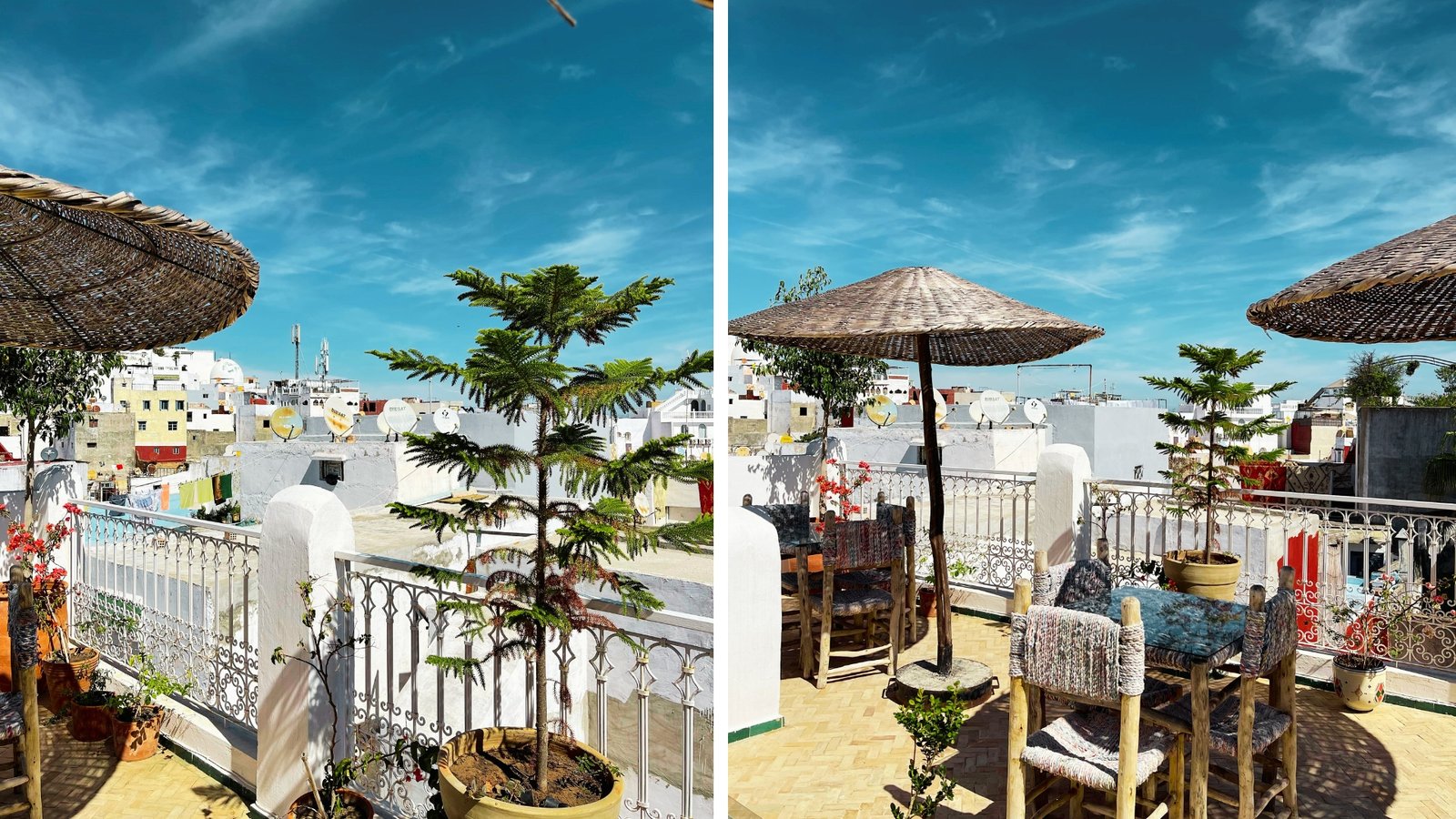
- Photography opportunities: Capture the contrast between the rigid stone bastions and the soft, inviting riads bathed in sunlight.
Where to Stay to Experience Northern Morocco’s Architectural Charm
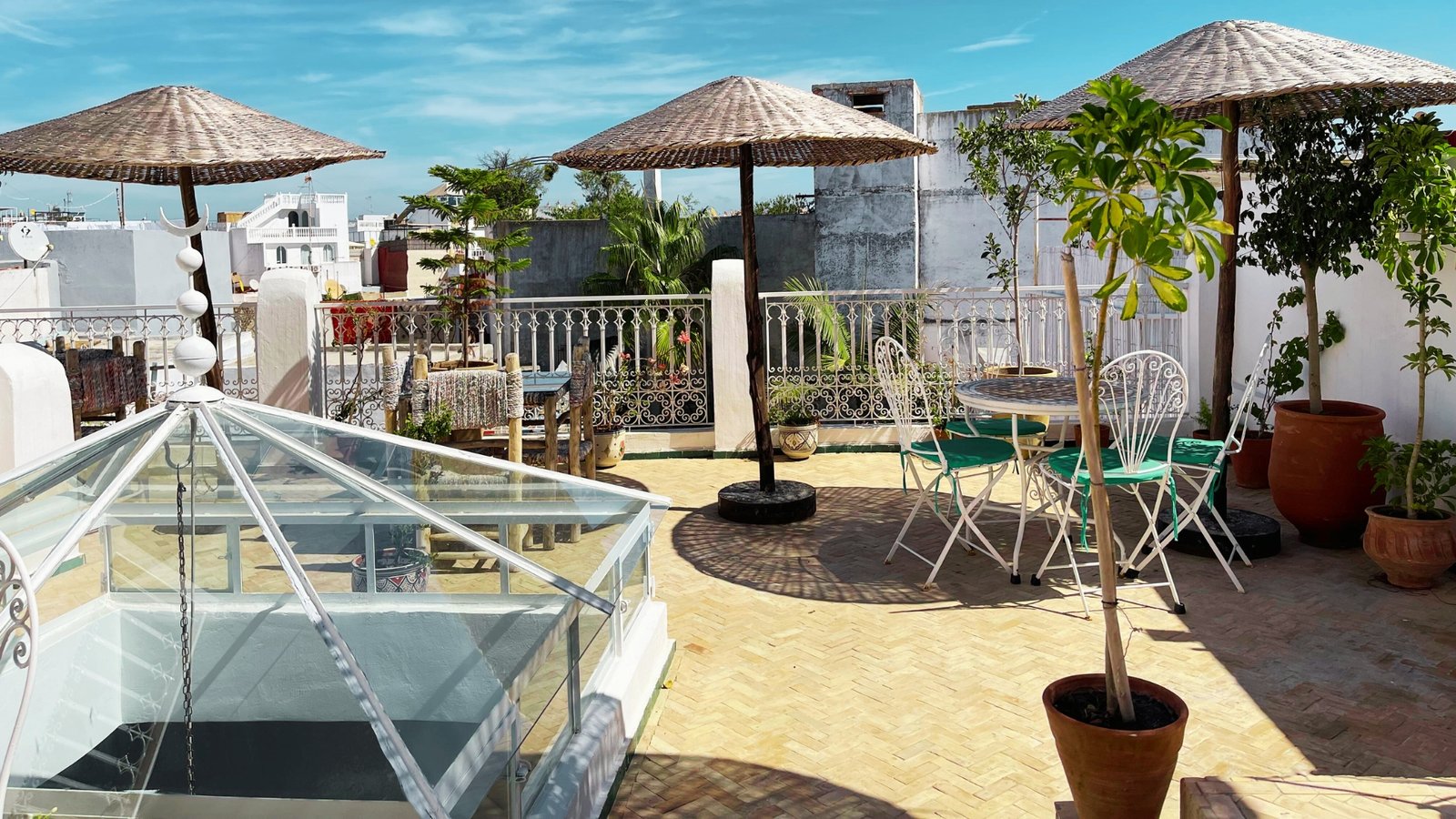
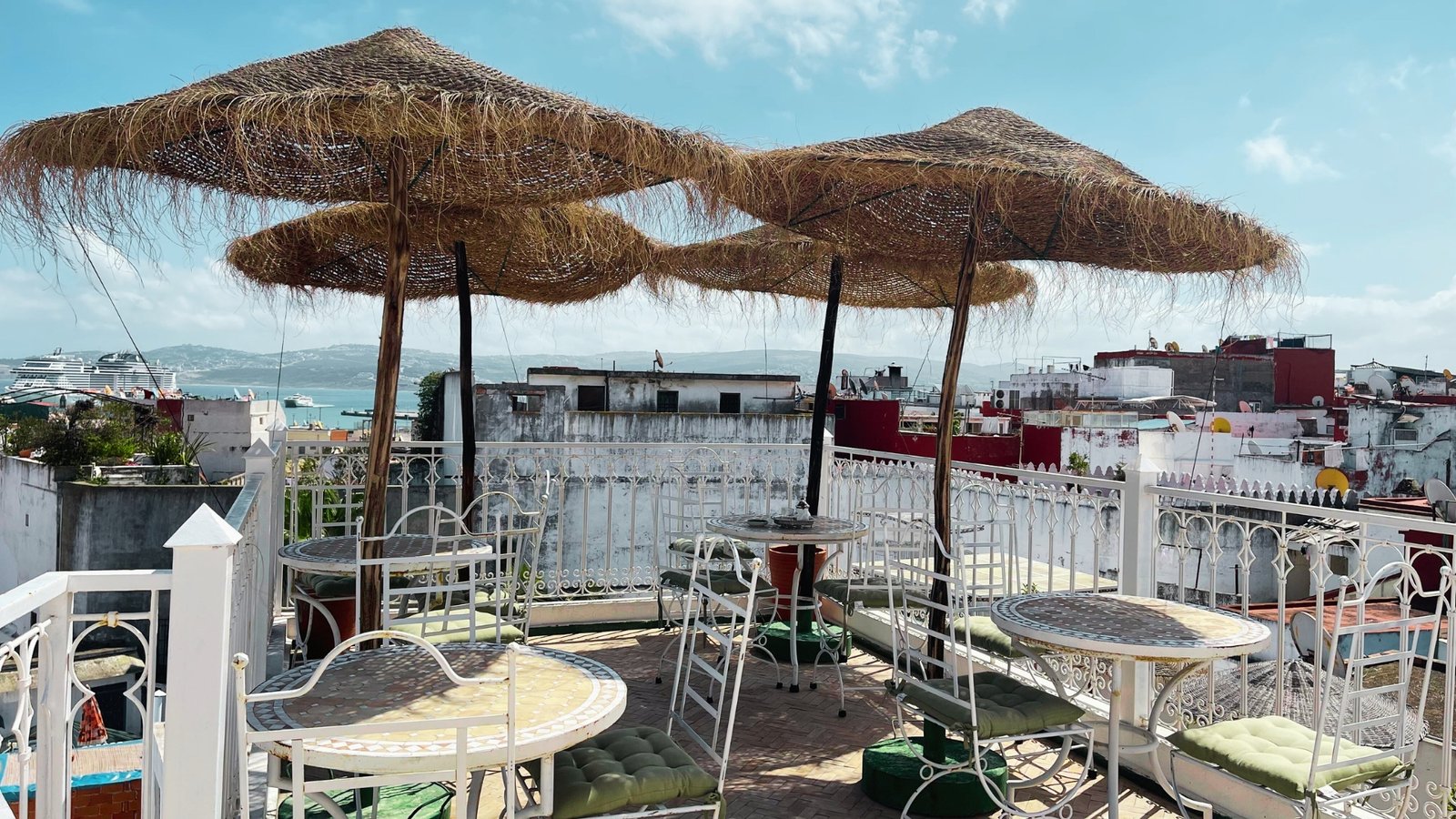
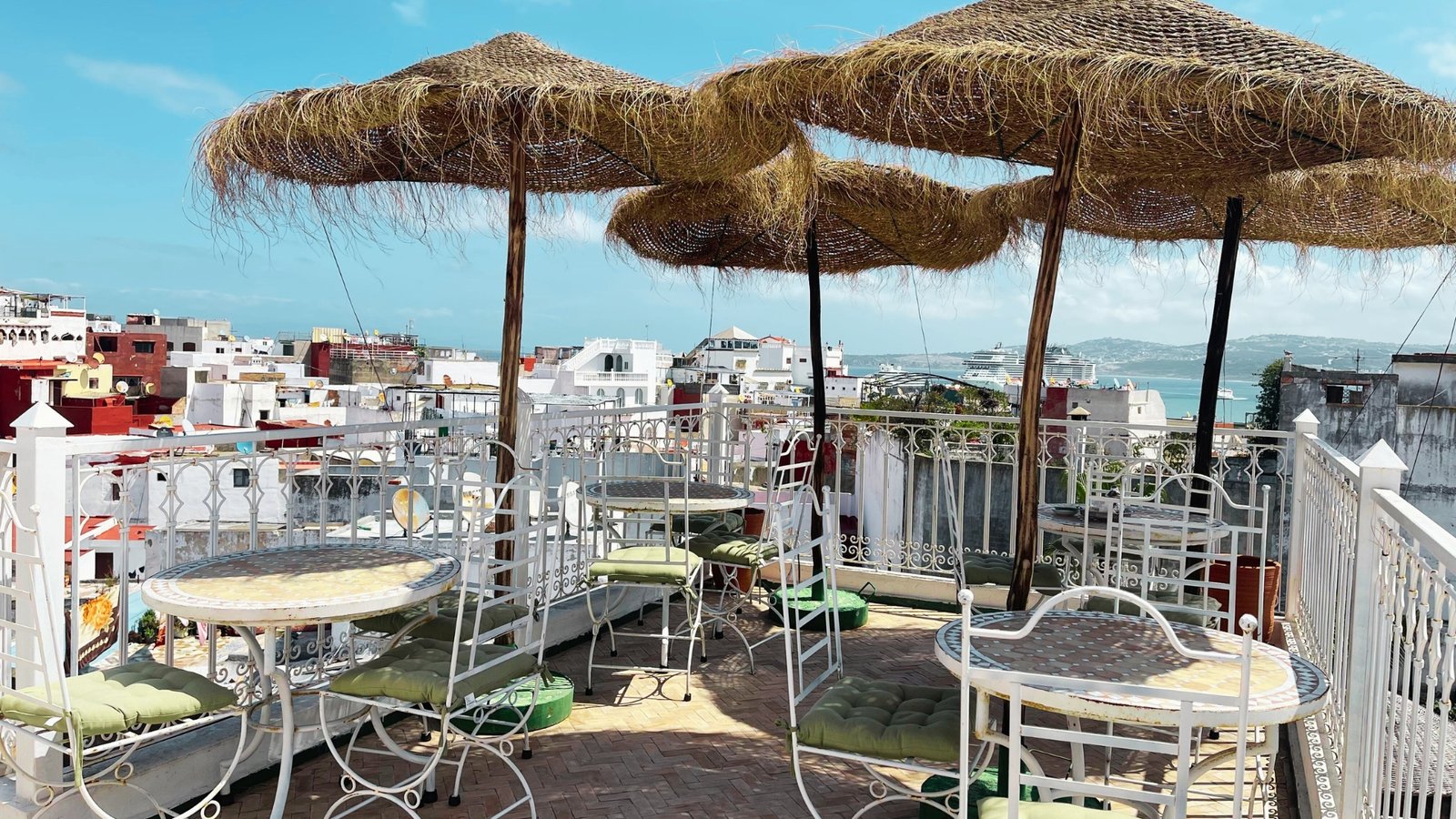
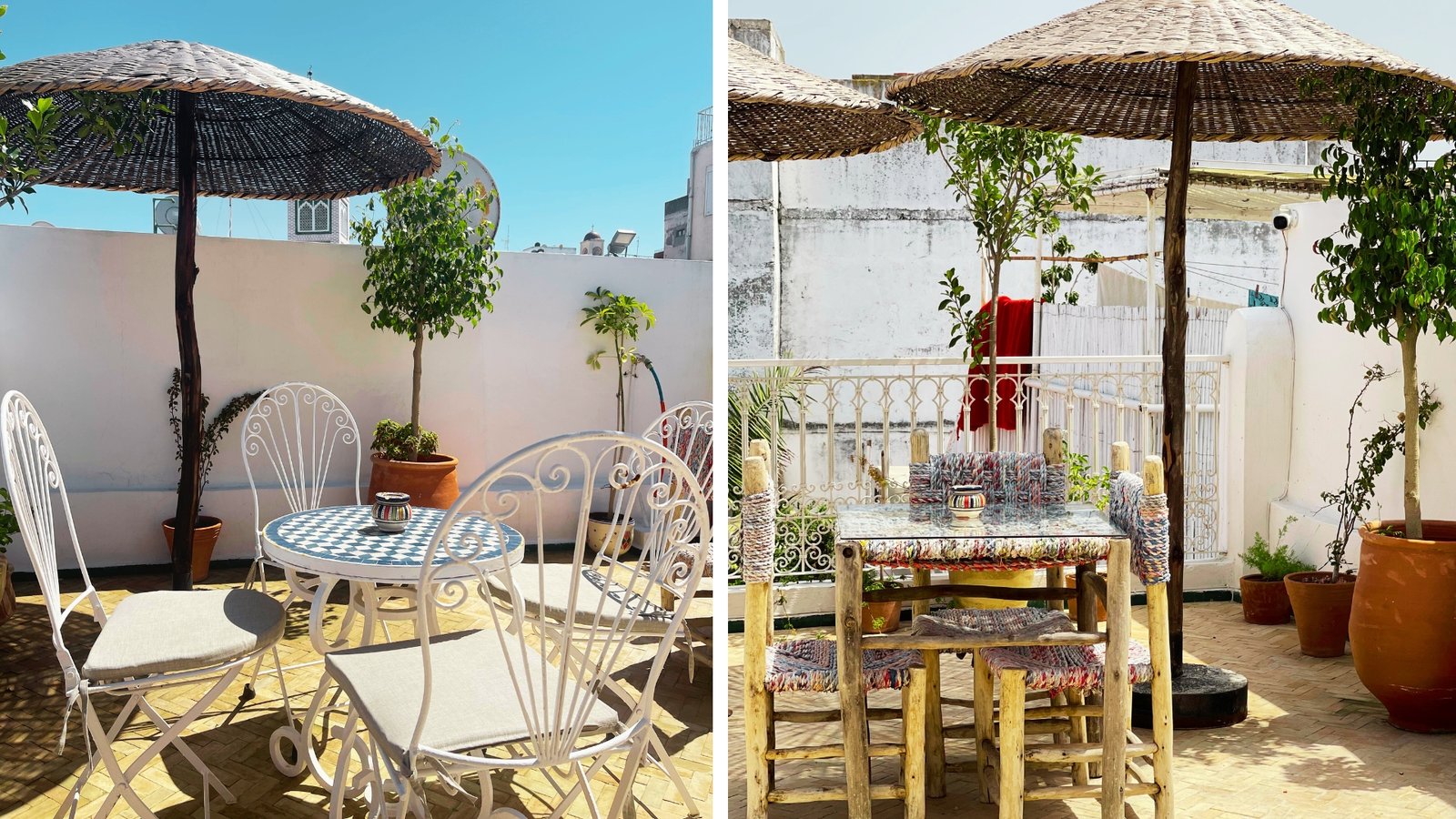
For travelers captivated by the architecture of Asilah, a stay at Tangier’s Kasbah Medina offers an equally enchanting environment. Nestled within the ancient Kasbah, Riad Sultana Tangier is a beautifully restored guesthouse that embodies the essence of Andalusian-Moroccan architecture with its elegant tiled courtyards, carved wood, and traditional décor.
- Immersive cultural experience: Stay within a historic riad reflecting the same design principles found in Asilah.
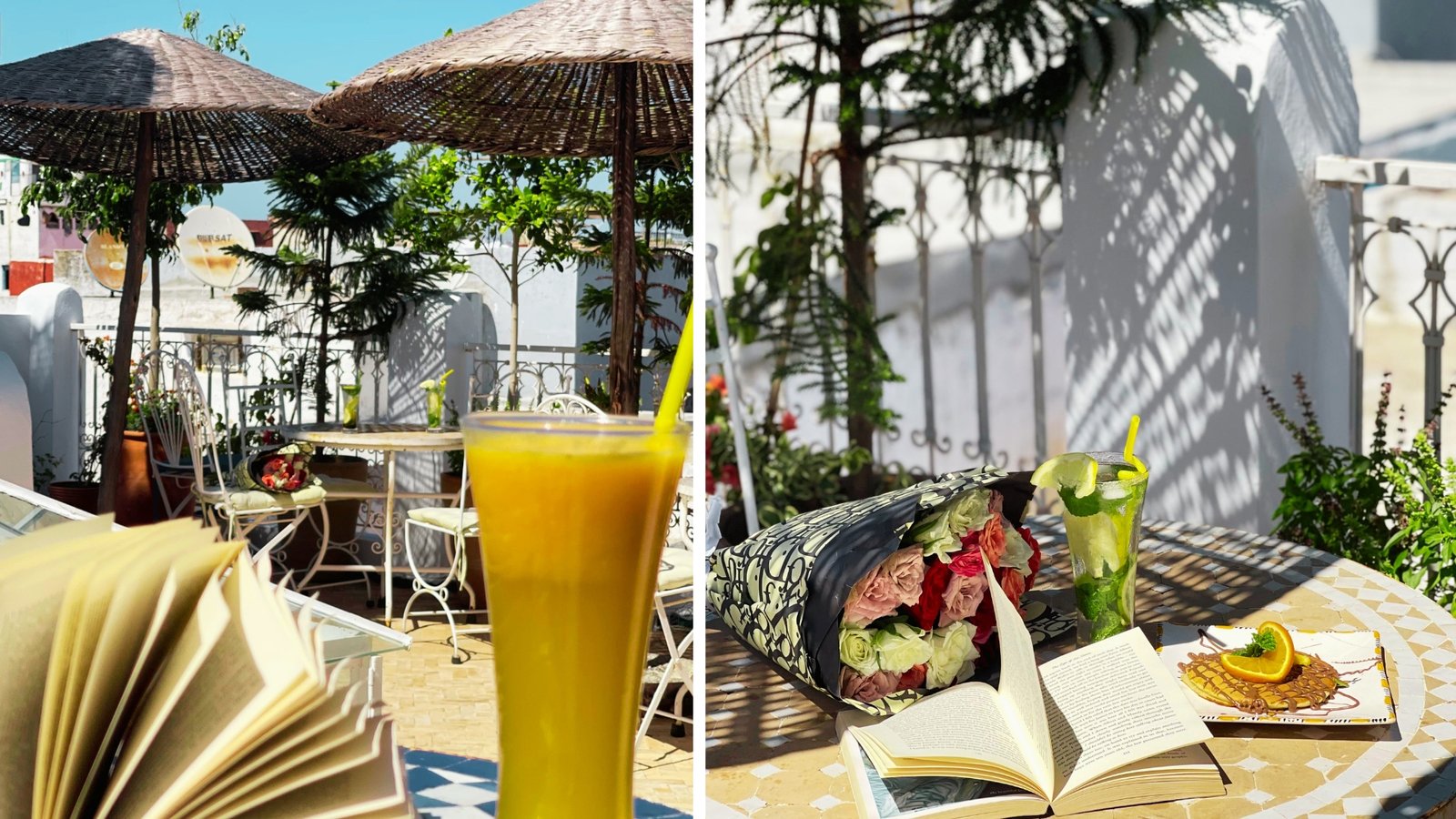
- Authentic ambiance: Experience Moroccan hospitality in a serene setting that balances tradition and comfort.
- Convenient location: Situated in Tangier’s Medina near key attractions, providing easy access to explore northern Morocco further.
Final Thoughts: The Enduring Appeal of the Architecture of Asilah
The architecture of Asilah stands as a testament to Morocco’s layered history and the interplay of cultures along the Atlantic coast. The robust Portuguese fortifications tell stories of military strategy and resilience, while the Andalusian-Moroccan riads speak to a refined artistic legacy and the enduring importance of home and hospitality.
For any traveler fascinated by history, architecture, or cultural fusion, Asilah provides a uniquely rich experience. Pair your visit with a stay at Riad Sultana Tangier to enjoy these architectural marvels’ ambiance beyond Asilah, deepening your appreciation of Northern Morocco’s heritage.
Frequently Asked Questions
What makes the architecture of Asilah unique compared to other Moroccan towns?
Asilah uniquely combines imposing Portuguese military fortifications with the delicate artistry of Andalusian-Moroccan riads, offering a rare architectural fusion along Morocco’s Atlantic coast.
Can visitors enter the Portuguese fortifications in Asilah?
Yes, visitors can walk along the fortified walls and explore the gates. The Kasbah Museum inside the fortifications provides further insight into their history.
How have Andalusian influences shaped riad architecture in Northern Morocco?
Andalusian influences introduced symmetrical layouts, water features, and refined ornamentation techniques, such as intricate stucco and zellige tilework, enriching Morocco’s traditional home designs.