

Estimated reading time: 6 minutes
- Discover the rich Portuguese history of the Caraquia Asilah.
- Understand the bastion’s architectural significance.
- Learn how the Caraquia evolved into a cultural landmark.
- Explore tips for visiting this historical site.
Table of Contents
- The Origins of Caraquia Asilah: Portuguese Military Architecture
- Transformation Through Time: Caraquia’s Evolution Post-Portuguese Era
- Caraquia Asilah Within the Medina’s Kasbah
- Caraquia Asilah Today: A Cultural Hub and Tourist Attraction
- Practical Tips for Exploring Caraquia Asilah History
- Where to Stay: Experience Authentic Asilah in the Kasbah Medina
- FAQ
The Origins of Caraquia Asilah: Portuguese Military Architecture
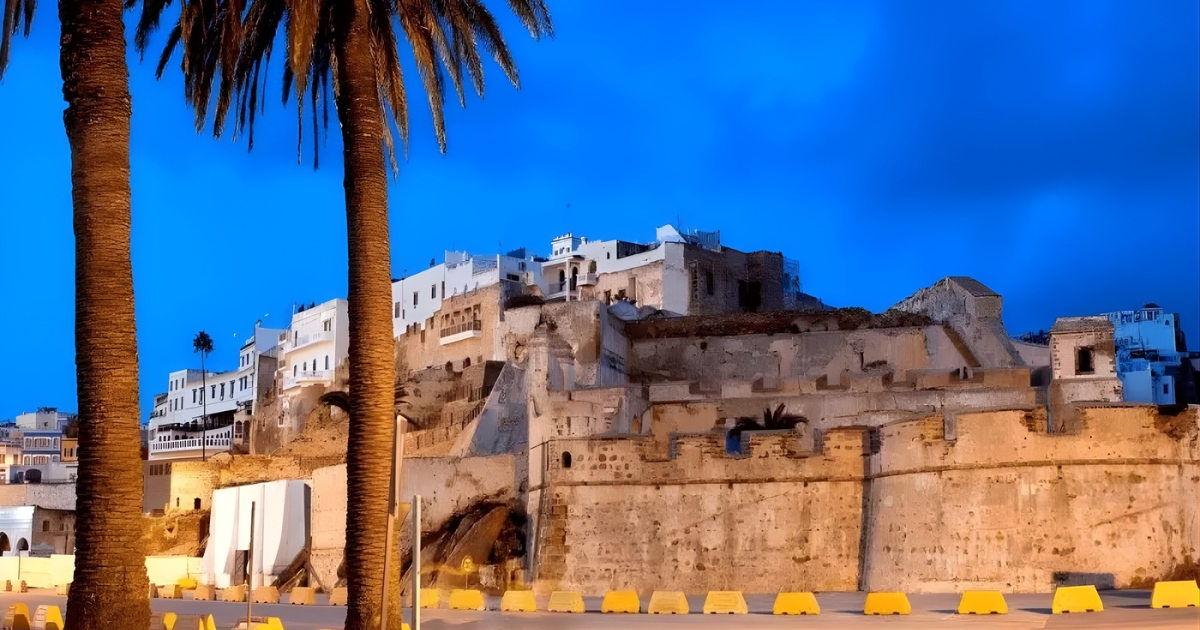
During the Age of Exploration, Portugal sought to expand its influence along the Atlantic and Mediterranean coasts. In the 15th century, the Portuguese captured several strategic Moroccan ports, including Asilah. The Caraquia was built as a bastion—a fortified, angular projection from the city wall—designed to protect the town from naval attacks and invasions.
This fortification showcases the distinctive characteristics of Portuguese military architecture of that era:
- Thick stone walls: Designed to withstand cannon fire and prolonged siege.
- Angular bastions: Allowed defenders to cover adjacent walls and eliminate blind spots.
- Towers and ramparts: Elevated platforms offering wide ranges of visibility.
The Caraquia bastion was crucial in establishing Portuguese control and securing trade routes, illustrating the military and economic strategy Portugal deployed in Northern Morocco.
Transformation Through Time: Caraquia’s Evolution Post-Portuguese Era
After nearly a century under Portuguese control, Asilah was reclaimed by Moroccan forces in the late 16th century. While the political power shifted, the bastion’s strategic importance remained. Over the following centuries, the Caraquia witnessed various adaptations:
- Moroccan fortification enhancements: The bastion was reinforced using traditional Moroccan masonry techniques.
- Integration with local defense systems: The Portuguese design merged with indigenous architectural styles.
- Shift to cultural uses: As military threats diminished, the site gradually became a symbol of historic pride rather than just a defense post.
This transition highlights how Caraquia Asilah has been layered with centuries of cultural adaptation, reflecting Morocco’s resilience and diverse heritage.
Caraquia Asilah Within the Medina’s Kasbah
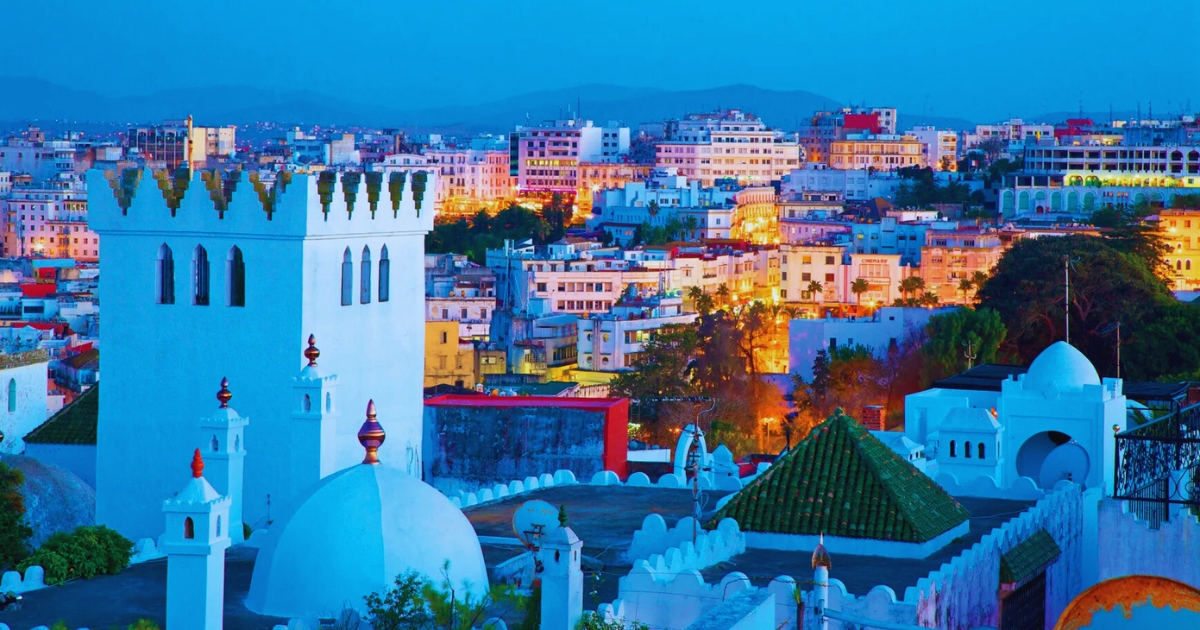
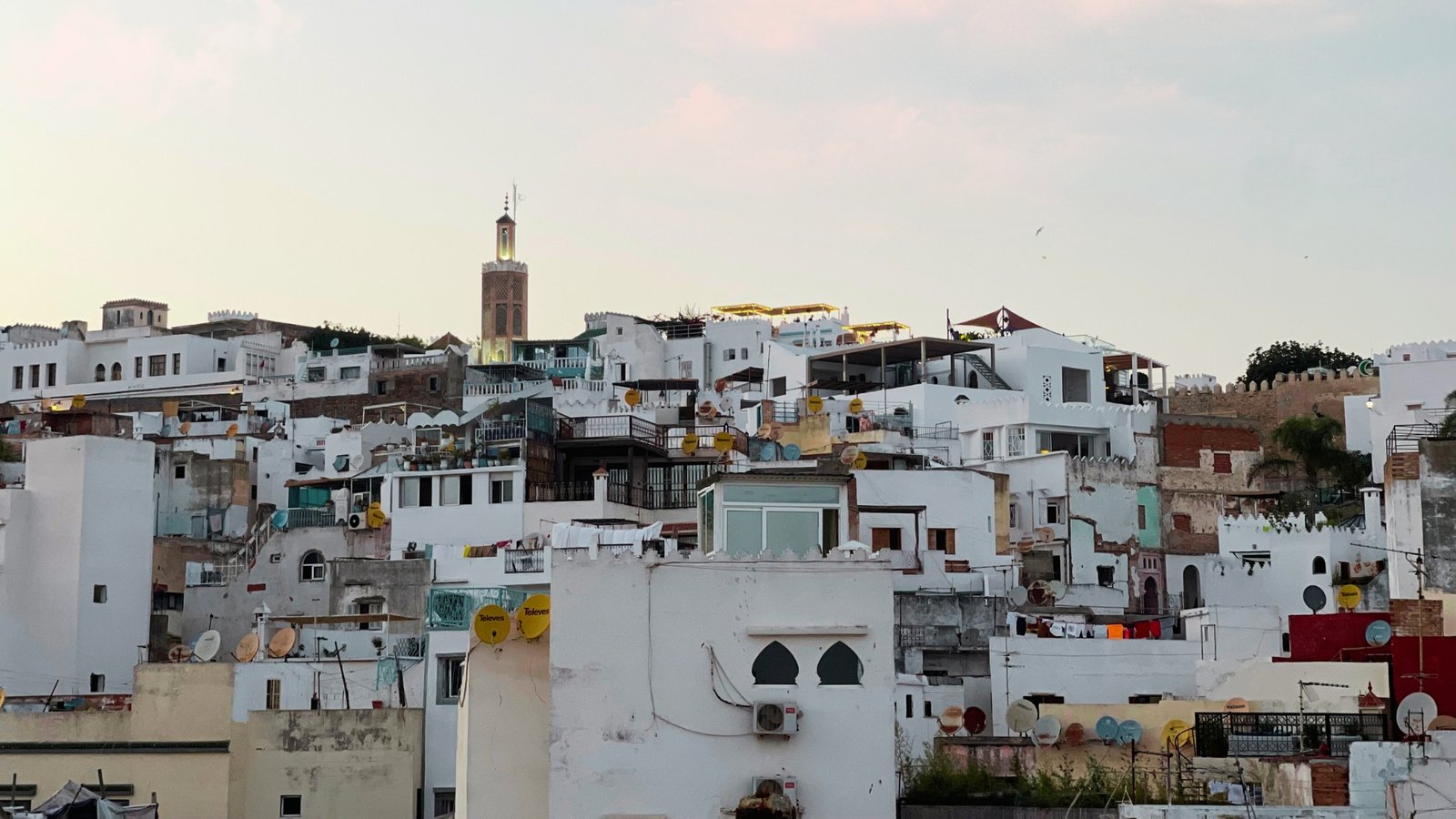
Embedded within Asilah’s ancient medina, the bastion belongs to the Kasbah—a fortified quarter offering panoramic views of the Atlantic Ocean. The Kasbah has long been the heart of Asilah’s social and cultural life. Today, the Caraquia forms part of this historic quarter, frequented by visitors exploring the town’s labyrinthine alleys, vibrant art galleries, and lively festivals.
Caraquia Asilah Today: A Cultural Hub and Tourist Attraction
Modern-day Asilah celebrates the Caraquia not only as a monument of military history but also as a vibrant cultural hub. The town’s annual arts festival, showcased within the medina and especially around the bastion’s vicinity, attracts artists and tourists worldwide, spotlighting:
- Murals and street art: The ancient walls revive with colorful, contemporary expressions.
- Open-air concerts and performances: Leveraging the unique atmosphere of historic spaces.
- Local artisan markets: Showcasing crafts and culinary delights rooted in Northern Moroccan traditions.
Visitors frequently stroll along the Caraquia walls to capture breathtaking ocean views or enjoy the sunset, blending historical reverence with natural beauty.
Practical Tips for Exploring Caraquia Asilah History
To make the most of your visit to the Caraquia and Asilah’s medina, consider the following:
- Best time to visit: Spring and early autumn offer comfortable weather and coincide with cultural events.
- Guided tours: Local guides provide rich insights into the layered history and architecture.
- Photography: Early mornings and late afternoons provide the best lighting for architectural details.
- Respect local customs: Dress modestly and seek permission before photographing residents or private spaces.
Where to Stay: Experience Authentic Asilah in the Kasbah Medina
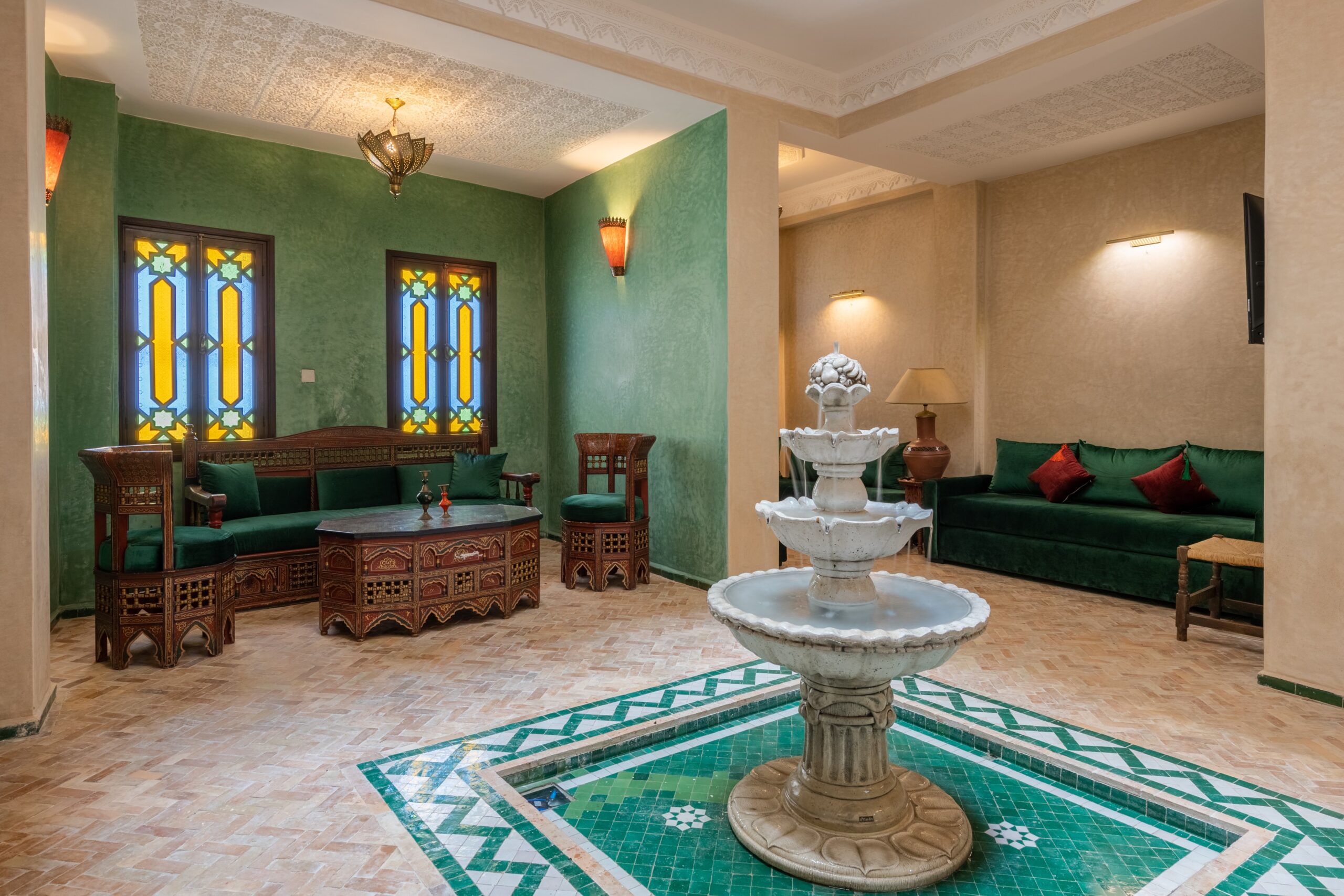
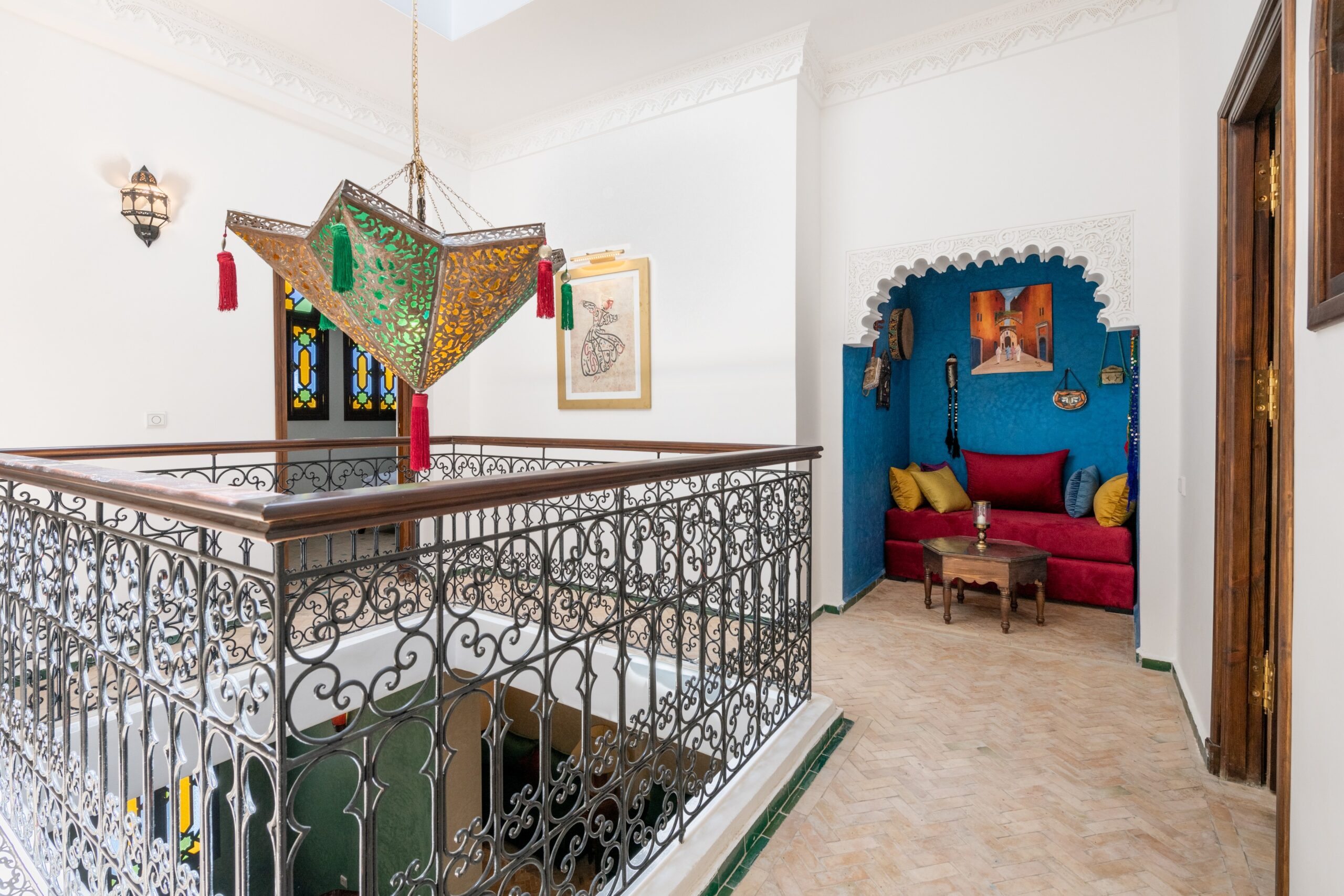
For travelers drawn to history and culture, staying within the medina’s Kasbah offers a unique, immersive experience. Riad Sultana Tangier, though situated in nearby Tangier, shares this charm and authenticity characteristic of Northern Moroccan riads. Located in the Kasbah Medina, it offers a peaceful retreat with traditional architecture that echoes the historic ambiance of the region.
Guests of Riad Sultana enjoy:
- Proximity to historic sites: Ideal for day trips to Asilah, facilitating deeper exploration of sites like the Caraquia.
- Authentic Moroccan hospitality: Comfortable rooms with local decor.
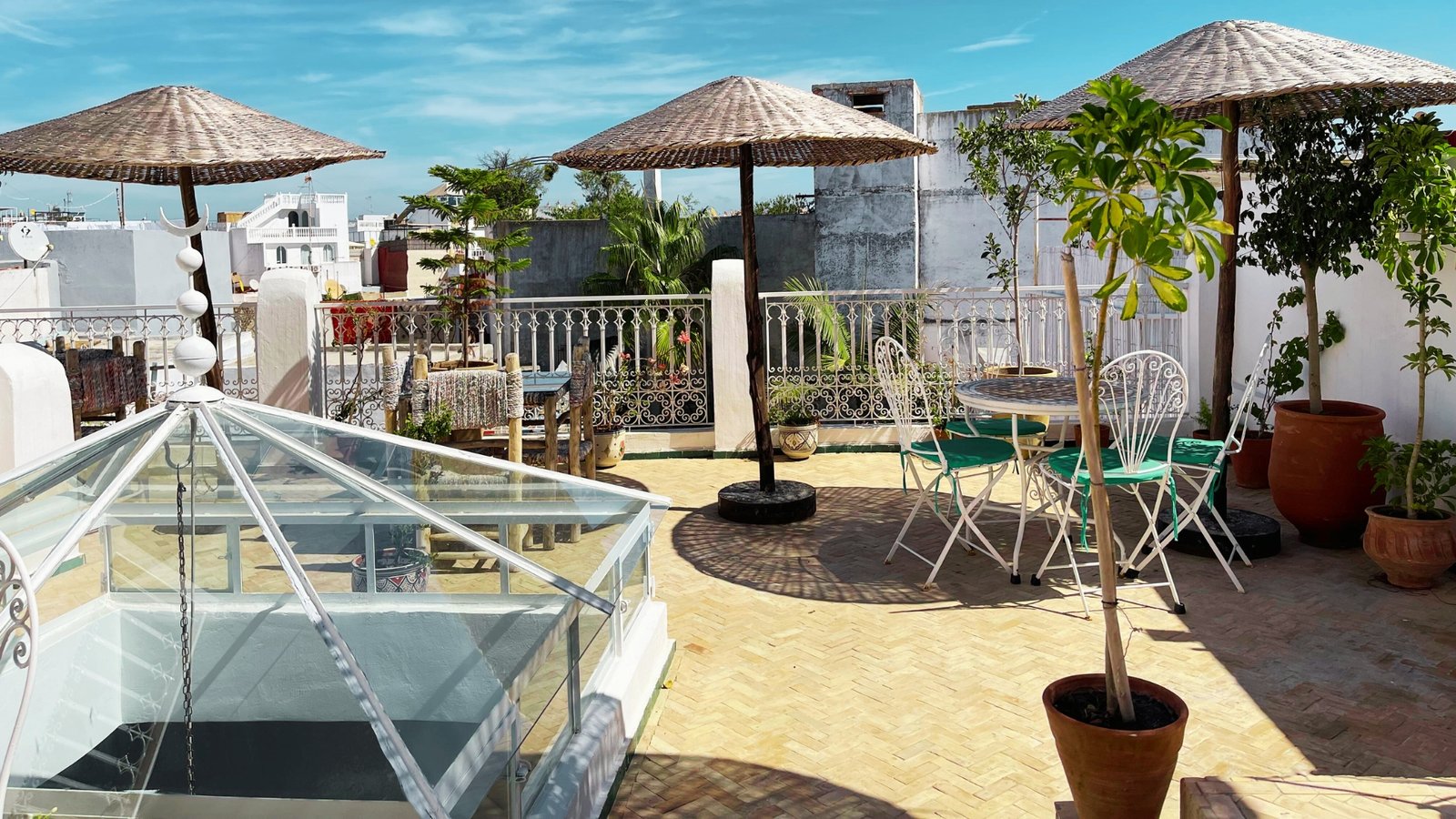
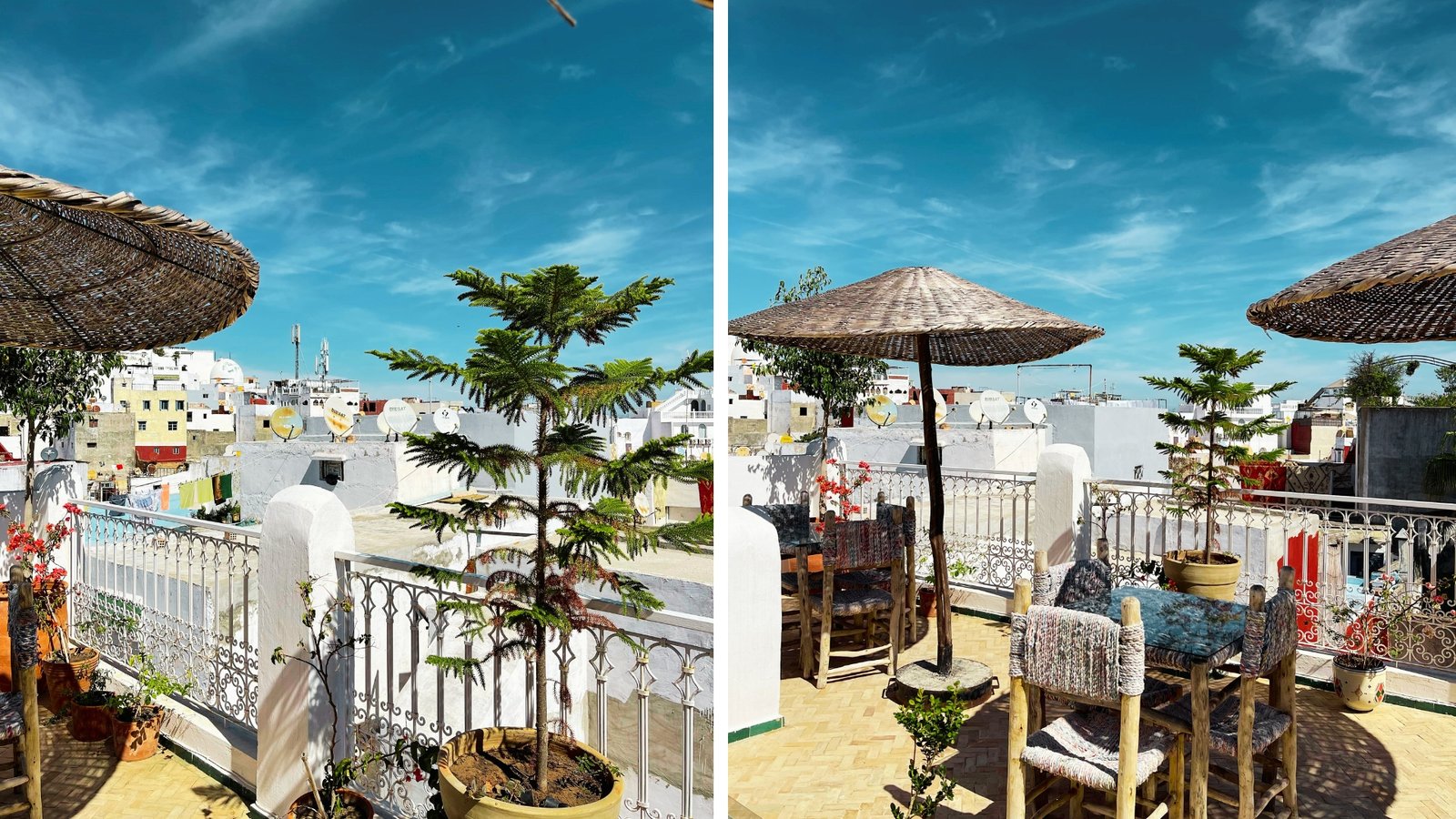
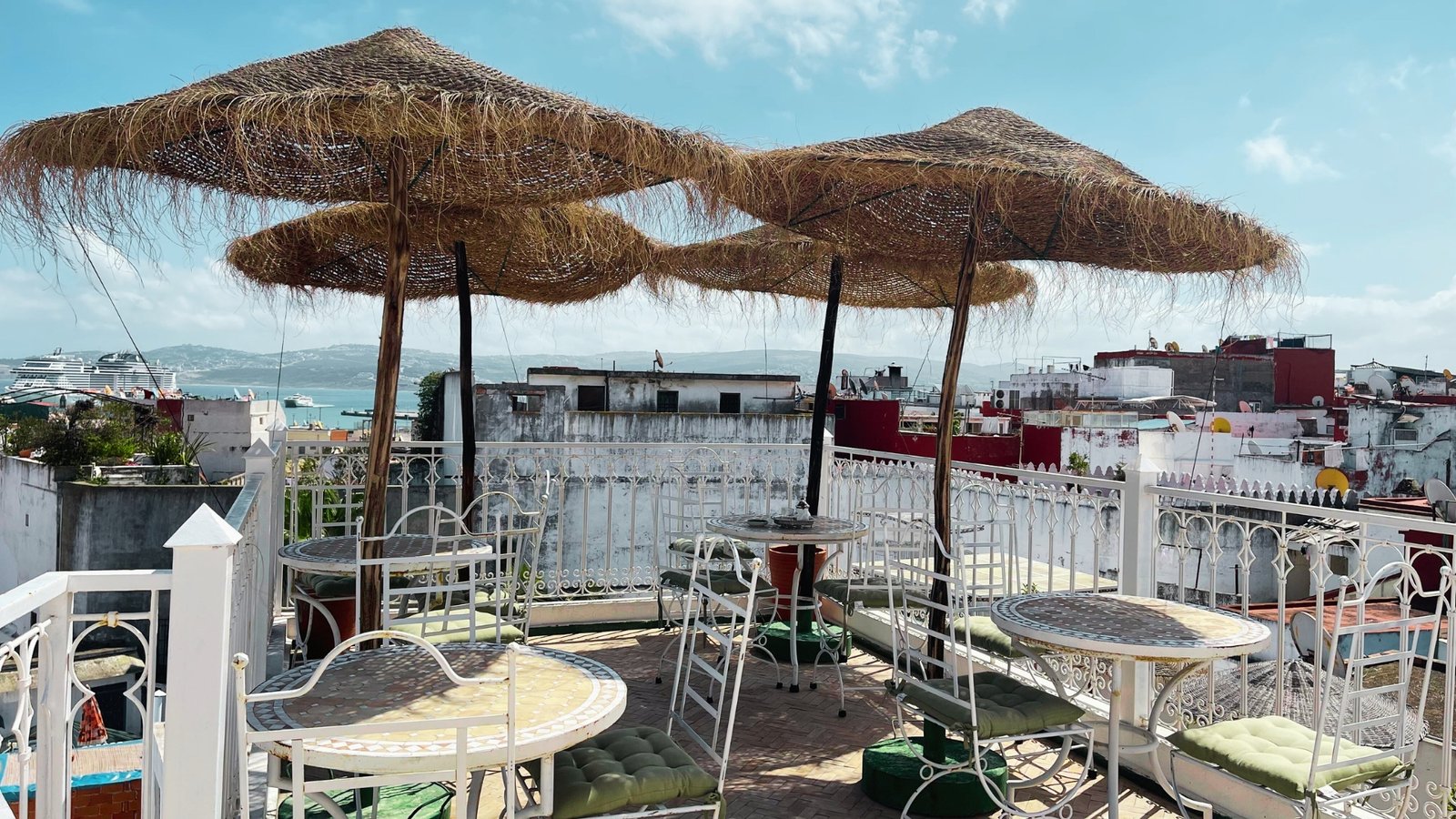
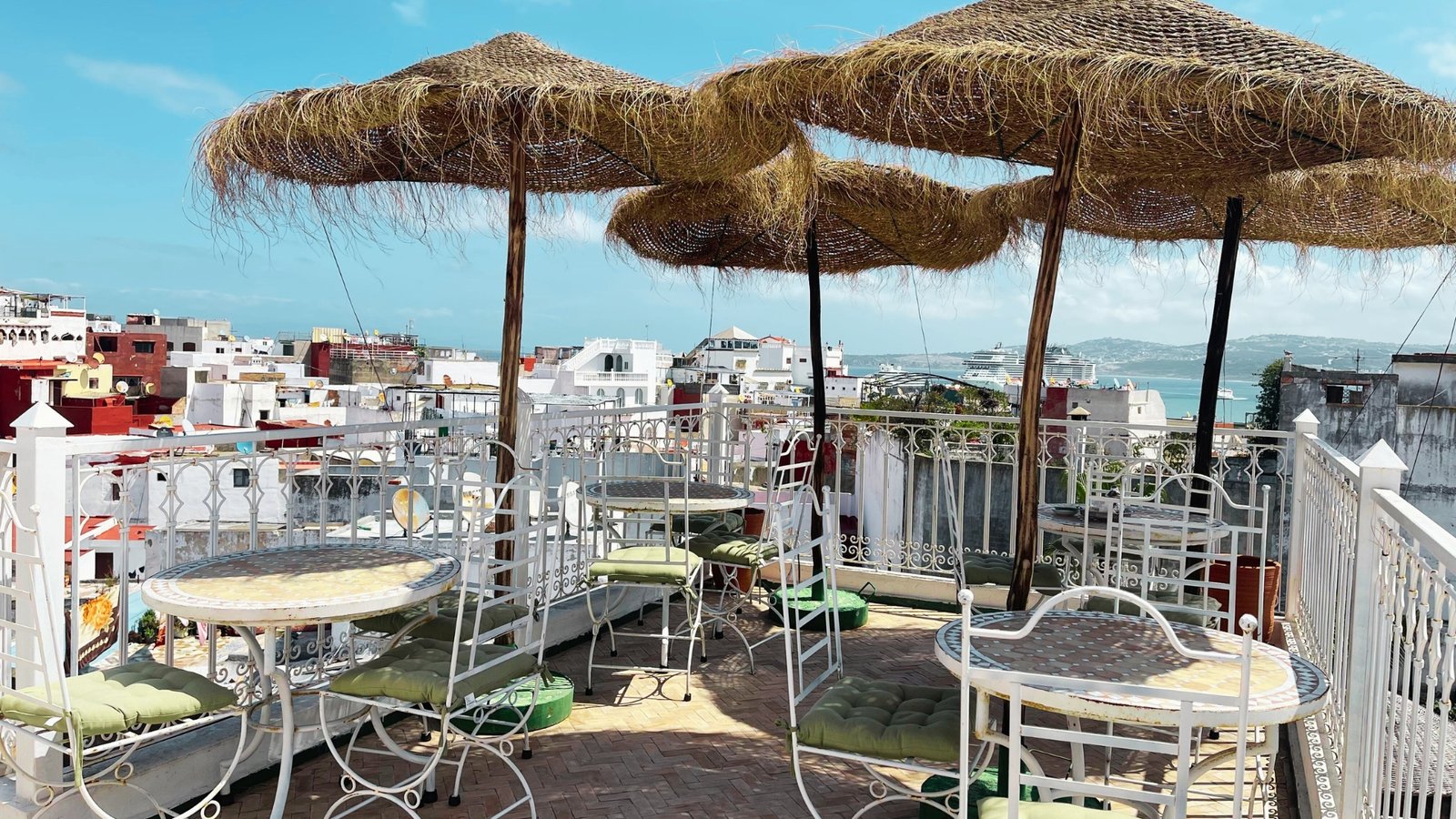
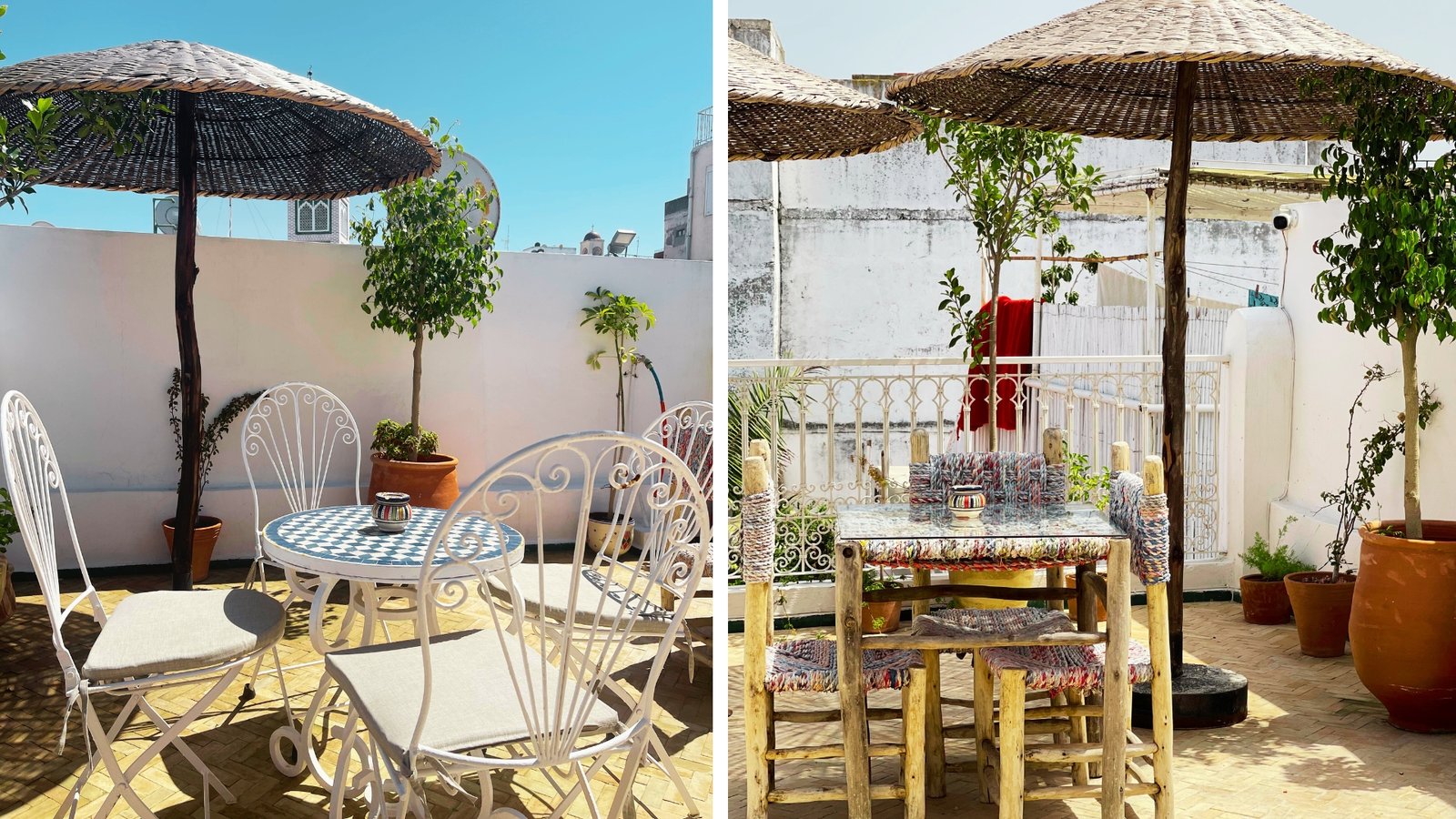
- A serene courtyard and rooftop terraces: Perfect for relaxing after a day of sightseeing.
Staying in such a riad enriches your connection to Morocco’s rich past, complementing your cultural journey through the Caraquia and beyond. Discover more about Riad Sultana Tangier here.
FAQ
Q1: What materials were used in constructing the Caraquia in Asilah?
A1: The Caraquia was primarily made from thick stone blocks, utilizing Portuguese masonry techniques, later enhanced with traditional Moroccan construction methods.
Q2: Can visitors enter the Caraquia bastion in Asilah?
A2: While the site is accessible for walking around, interior access can be limited depending on preservation efforts and local regulations. Guided tours often provide the best experience.
Q3: How did Portuguese architecture influence Moroccan military structures?
A3: Portuguese military architecture introduced angular bastions and reinforced walls, which were integrated and adapted by Moroccans to suit local defensive needs.