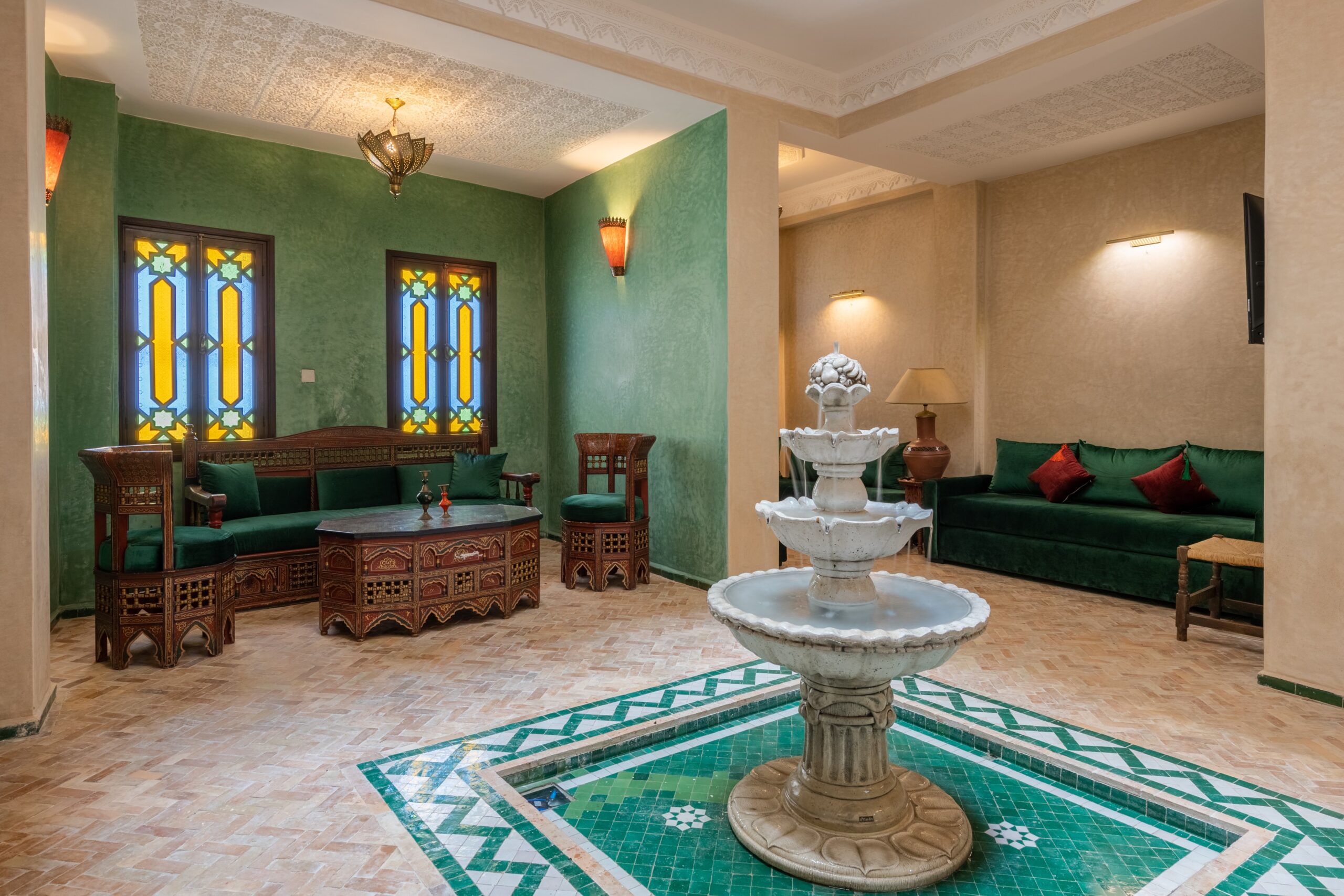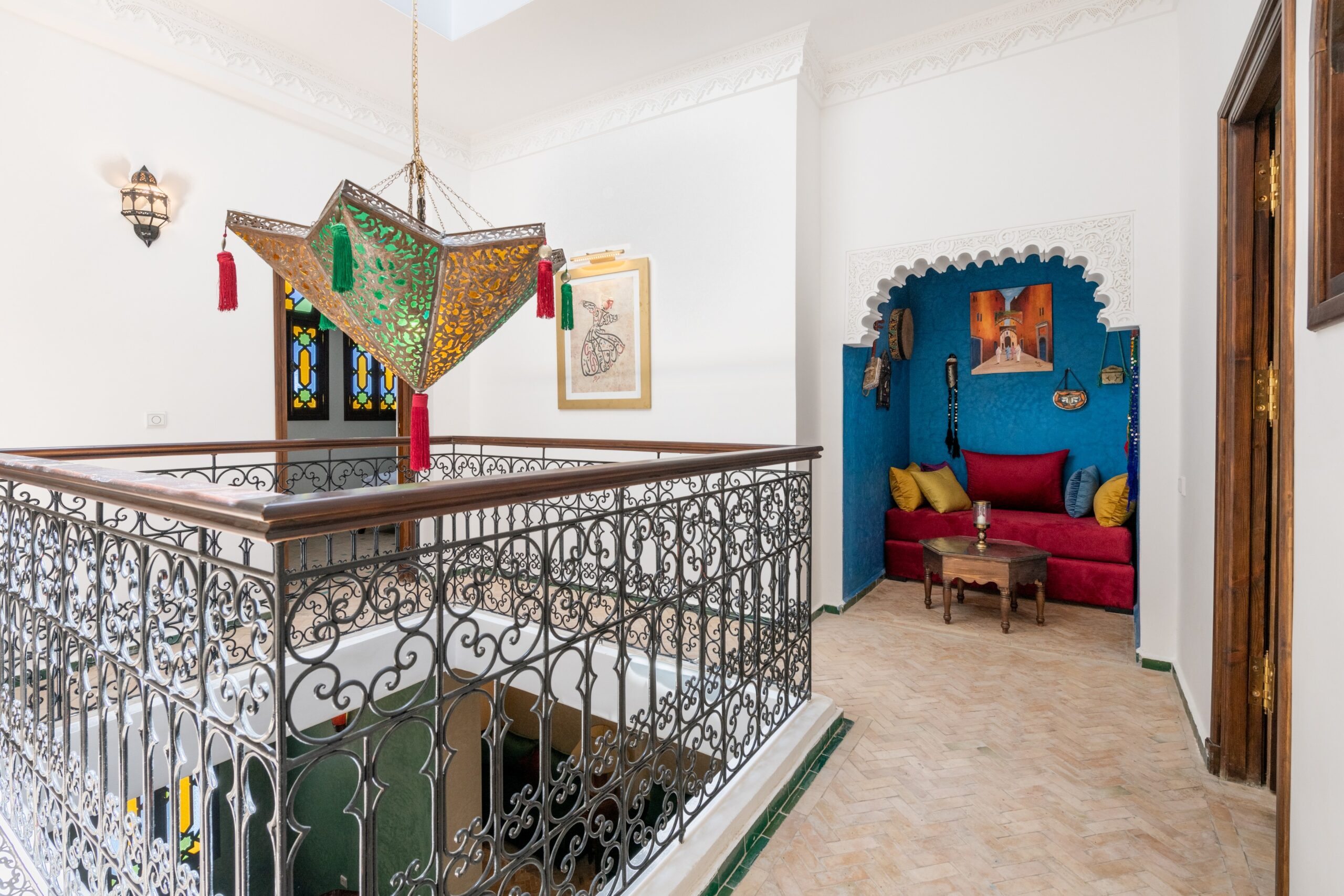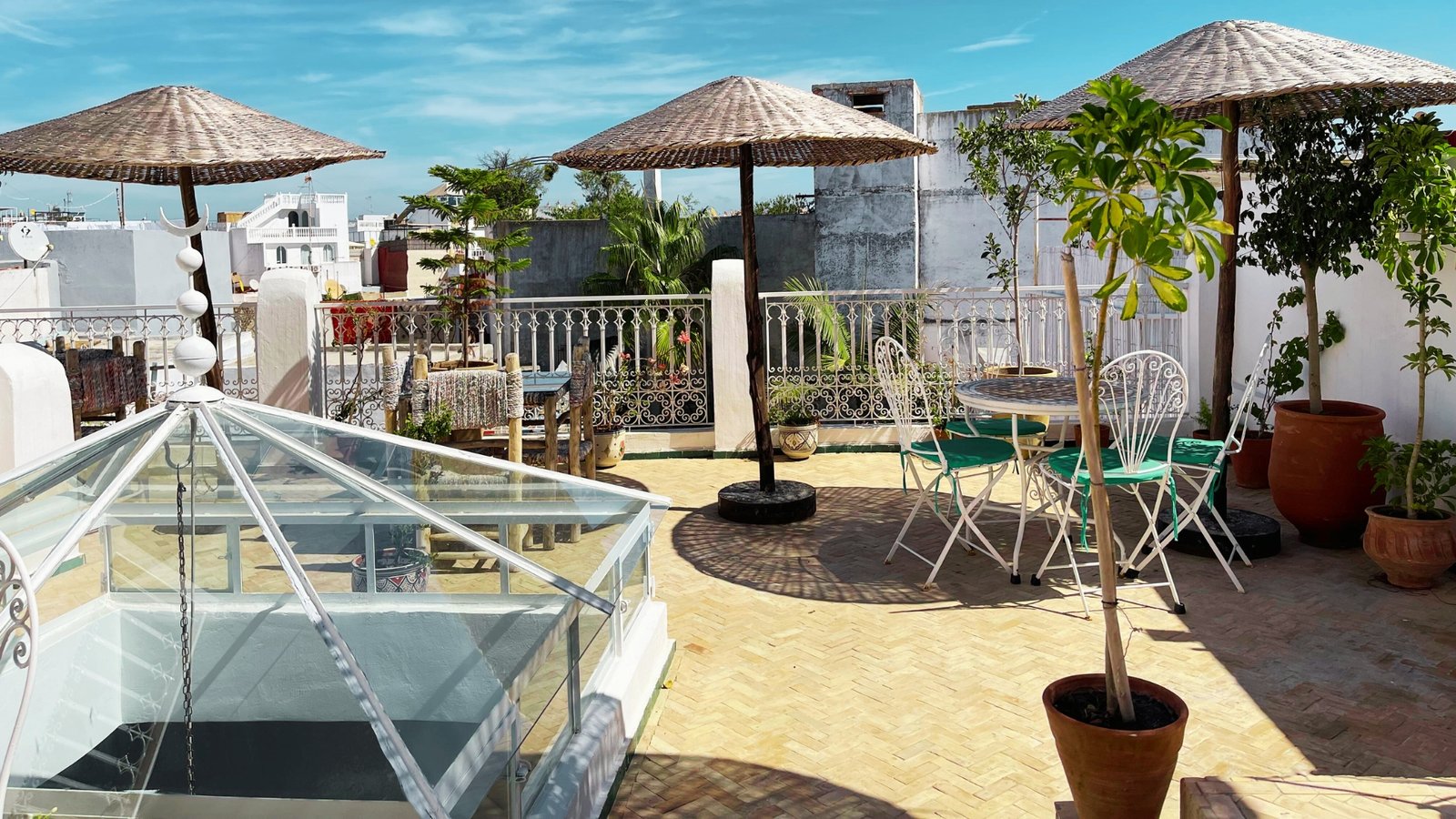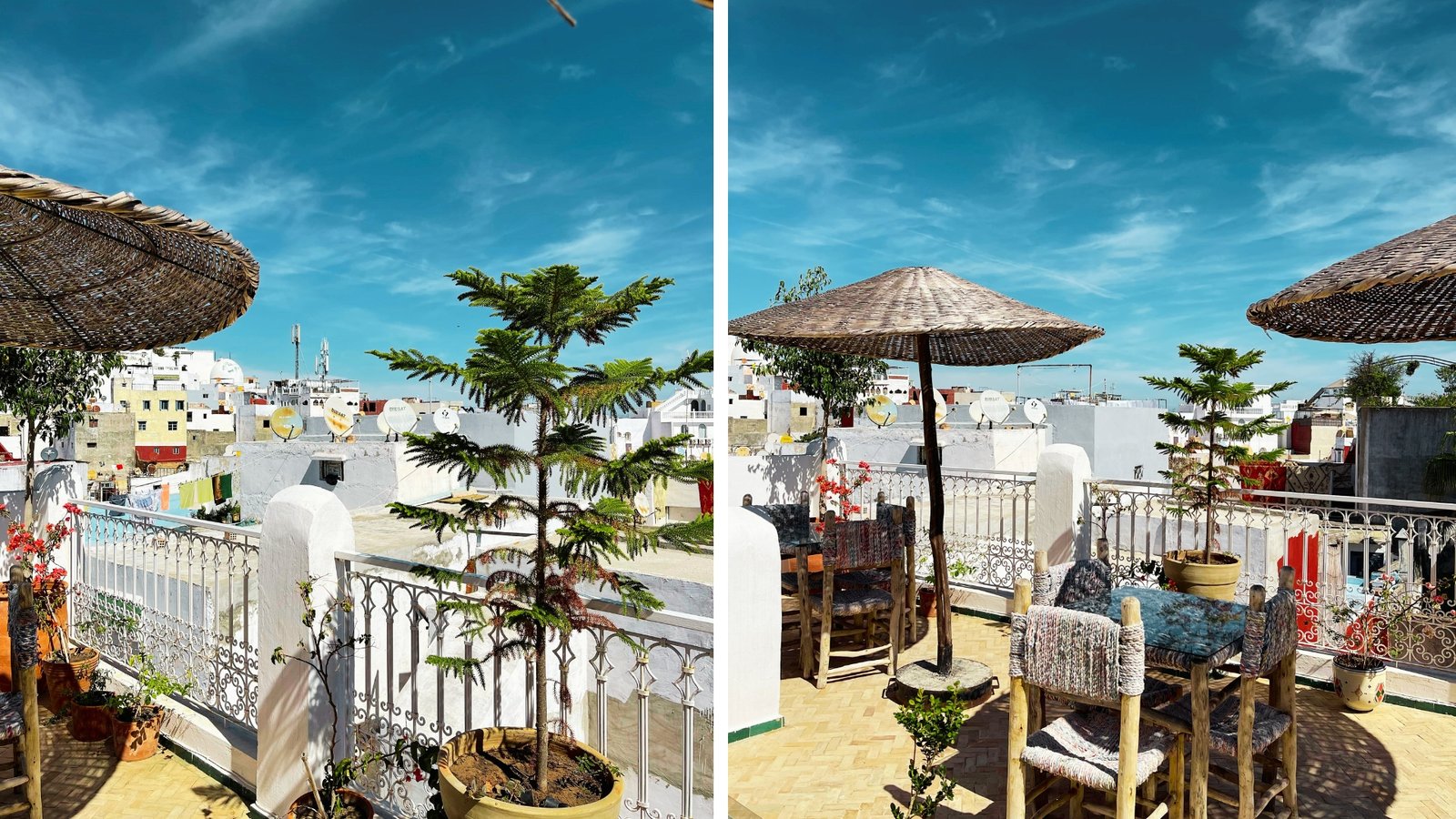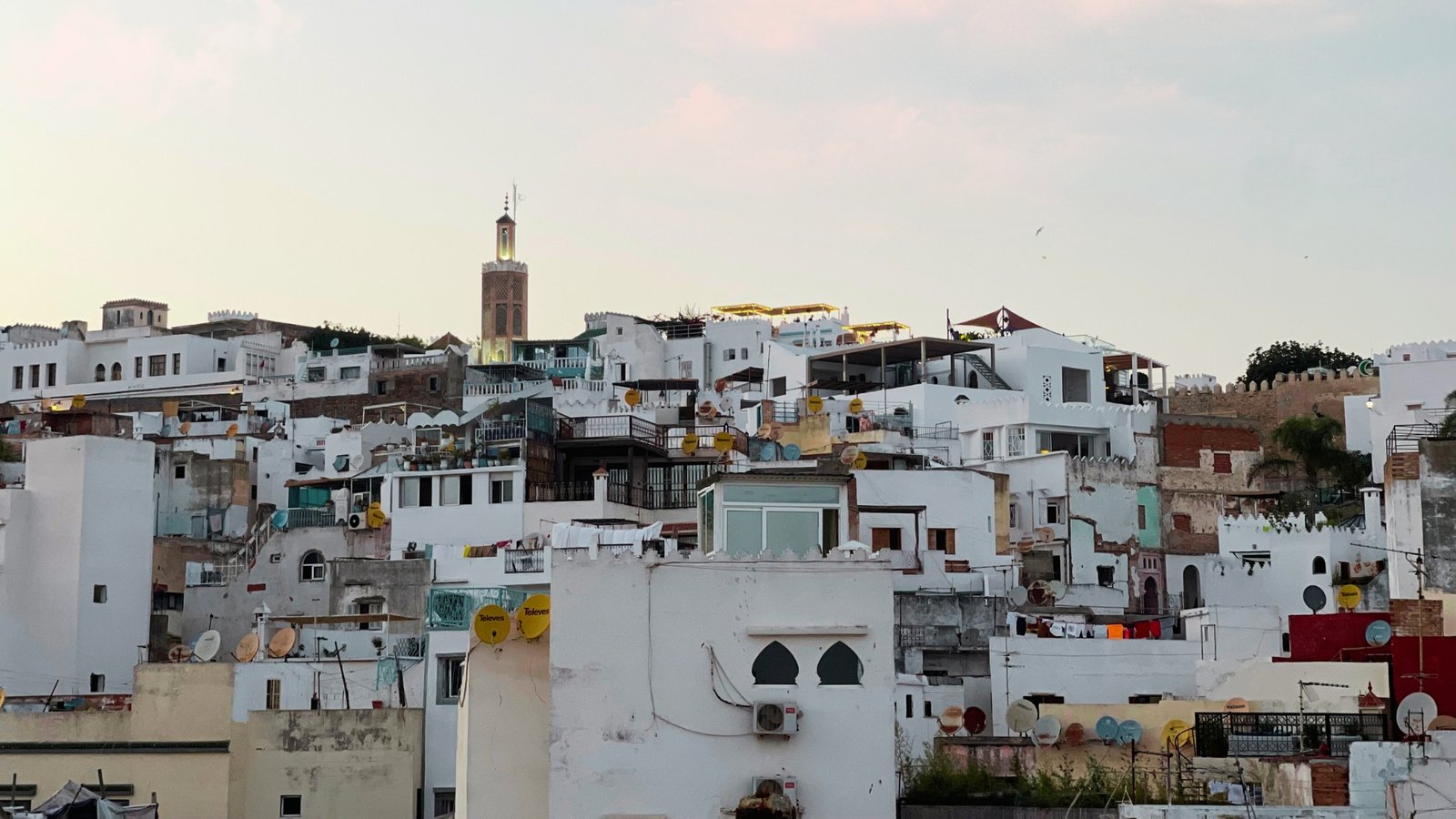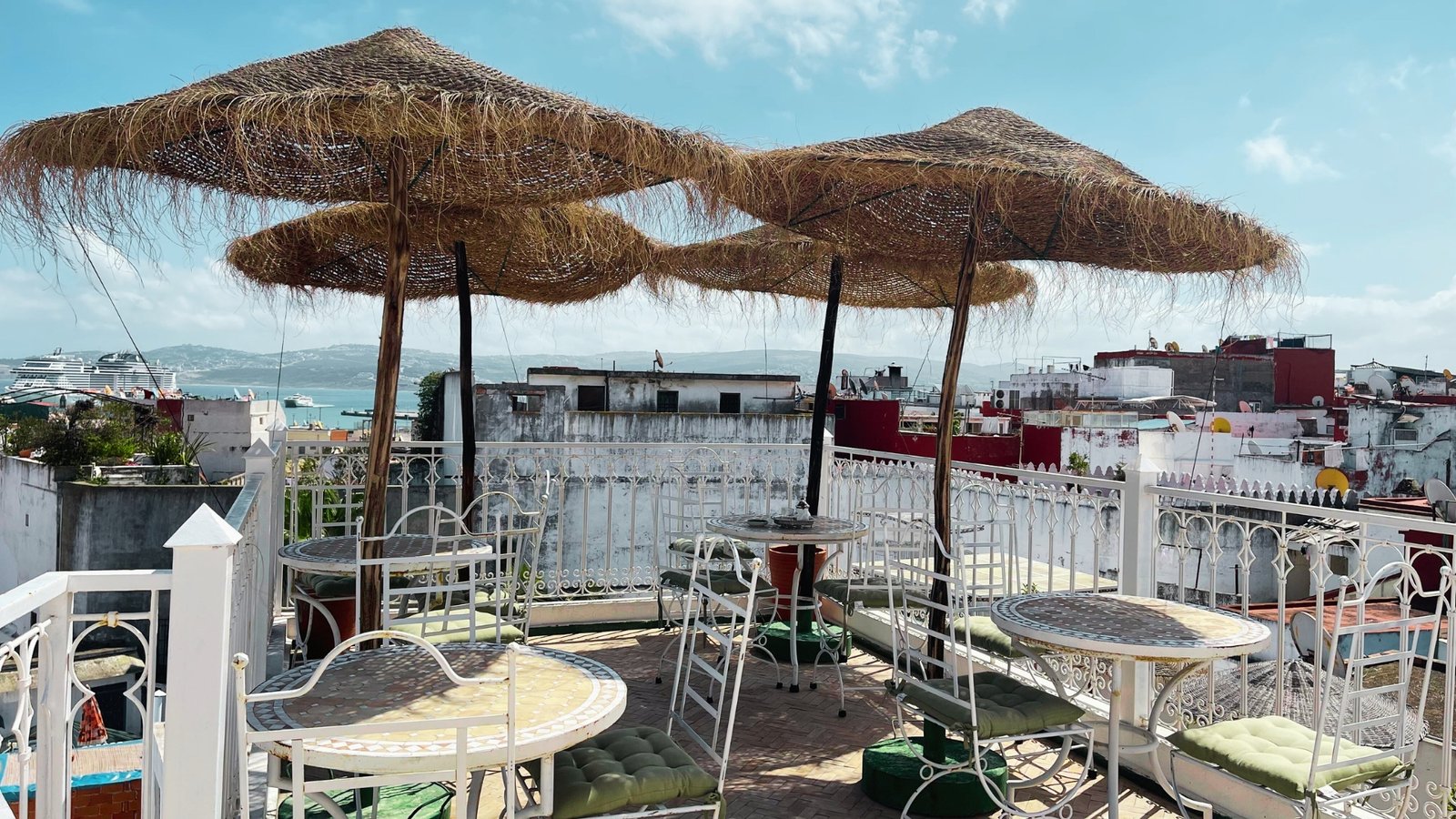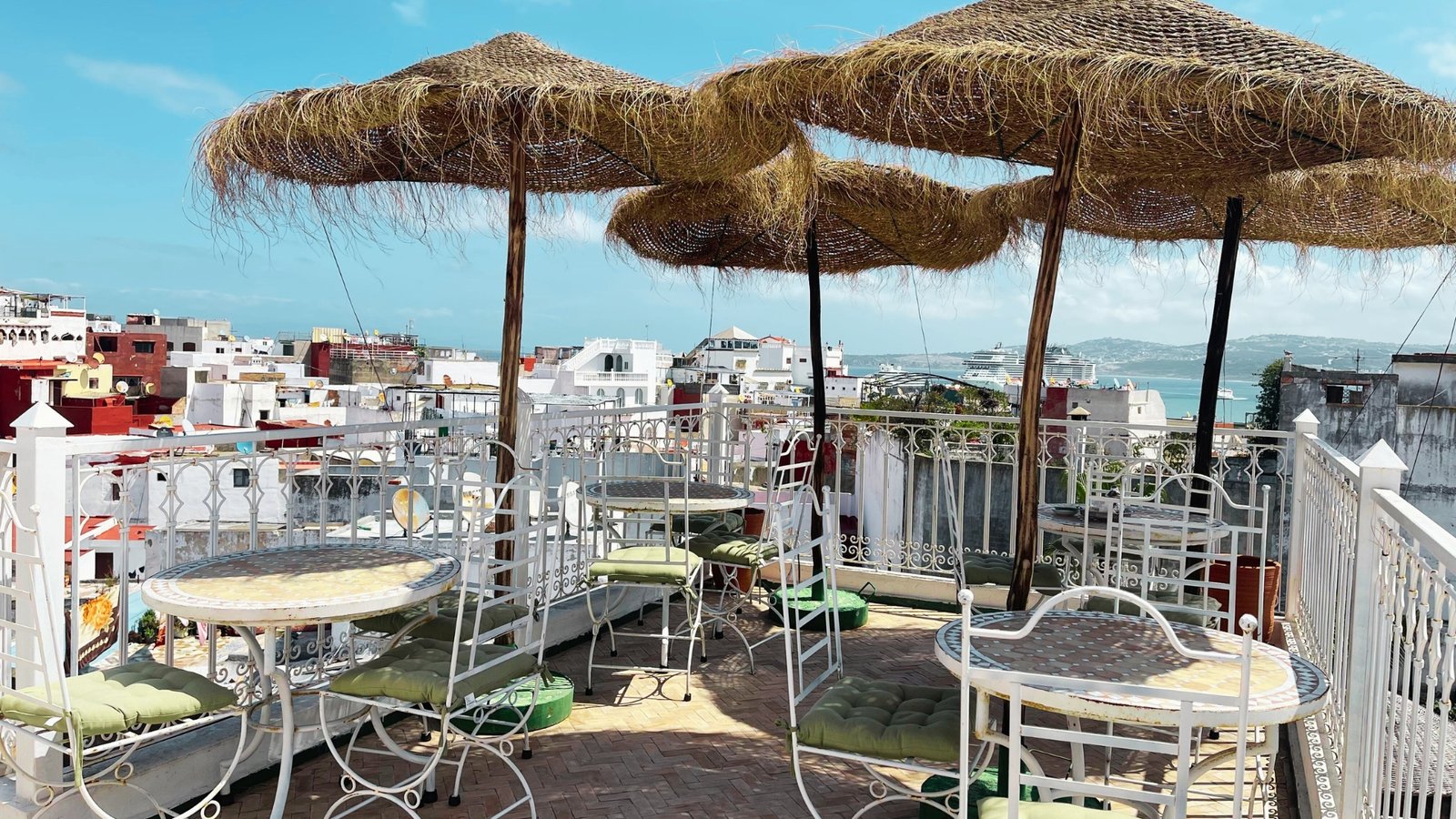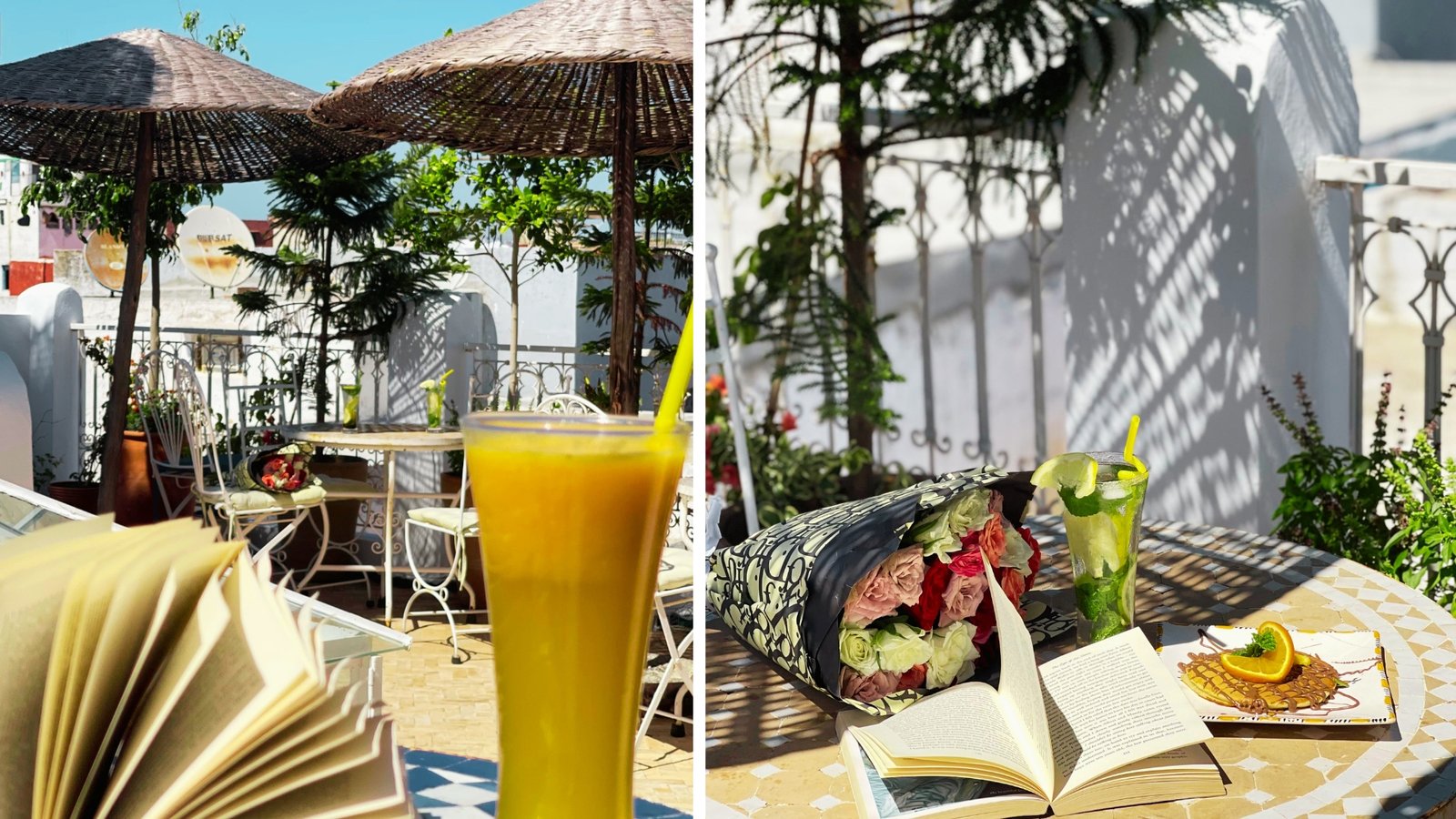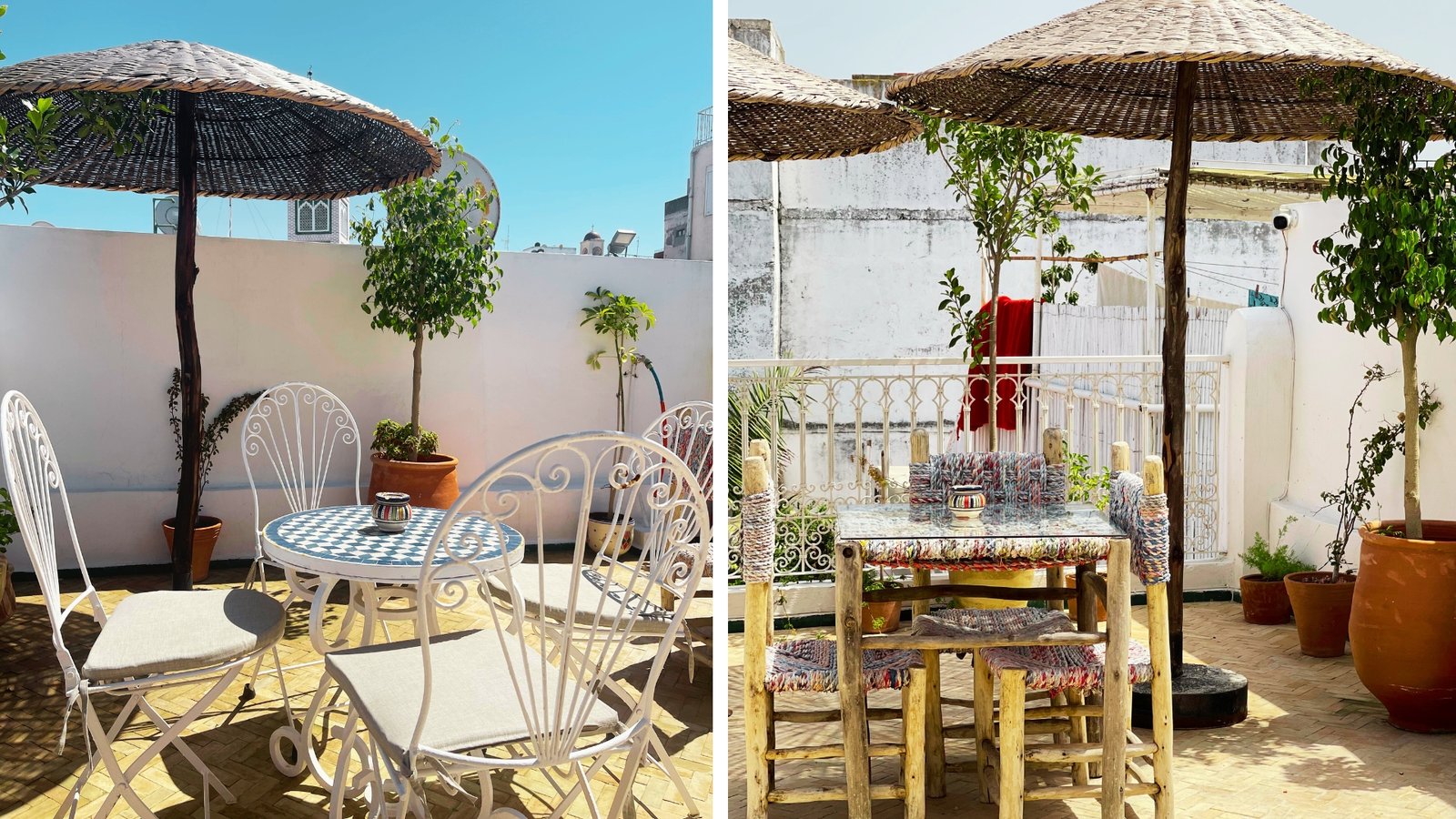


There’s a particular kind of traveler who chooses a riad over a hotel. Not because of the price point or the location, but because of what a riad represents – a slower way into a city, through its architecture and its hospitality rather than its tourist circuit. If you’re staying at Riad Sultana, you already made that choice. You came to Tangier for something that feels real.
This is for you.
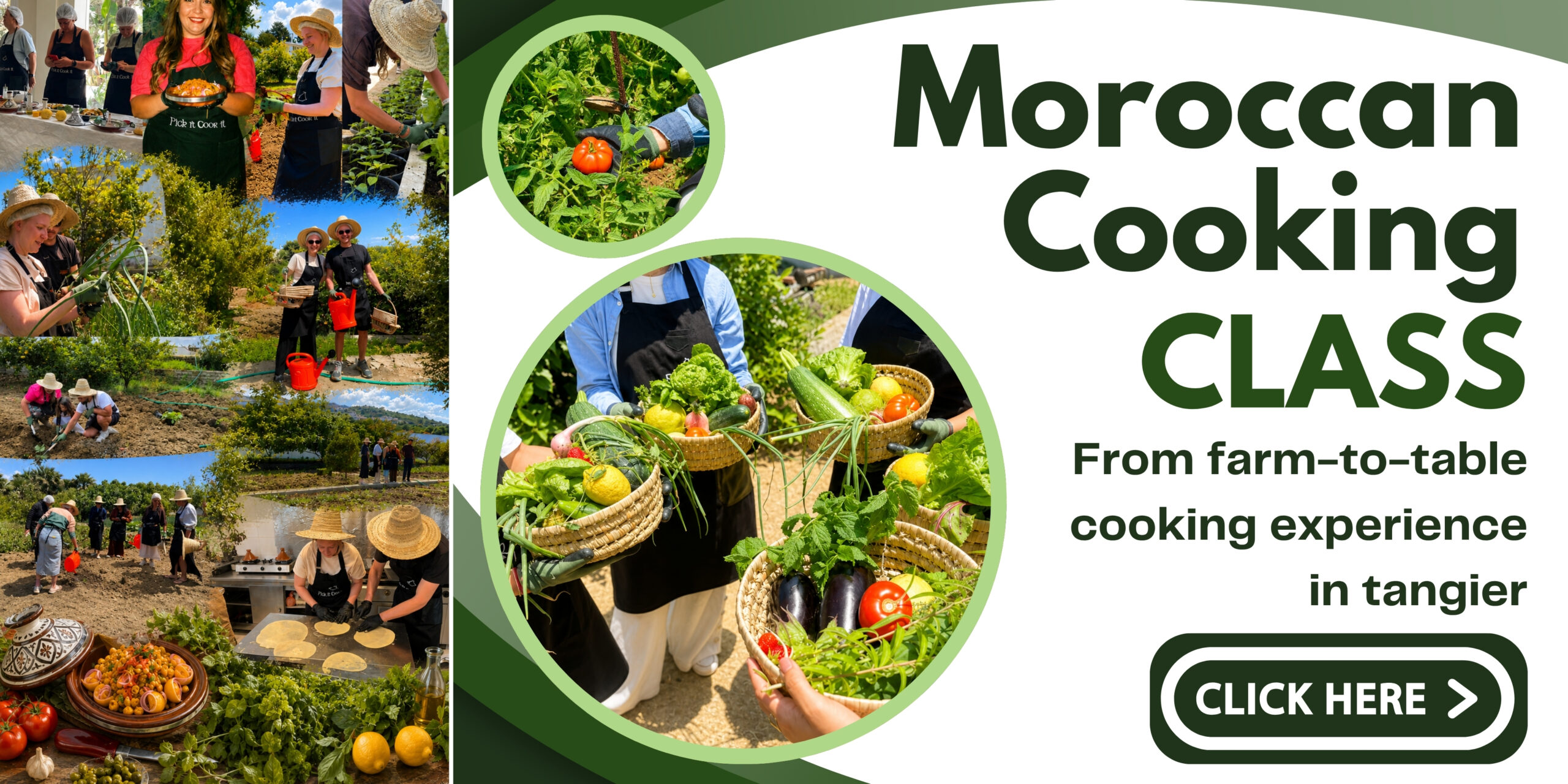
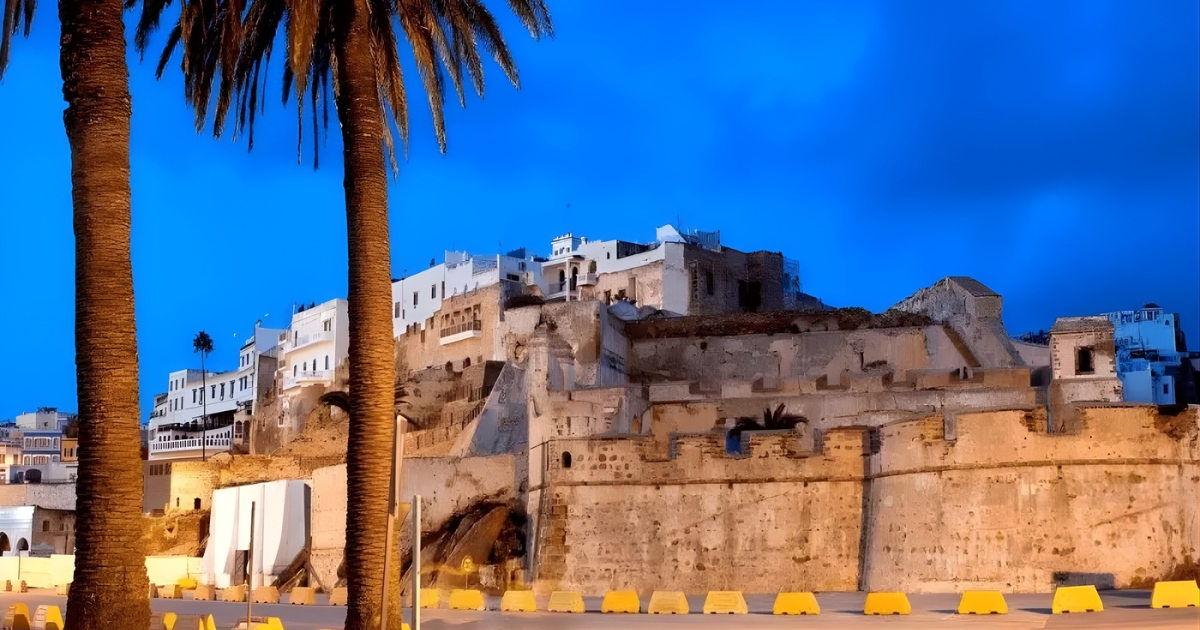
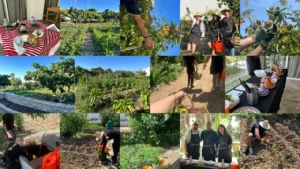
In the hills above the city, past the medina and beyond the café terraces that line the tourist trail, there is a cooking experience that most visitors to Tangier never find – not because it’s hidden, but because it doesn’t advertise itself the way tourist attractions do. It sits on a working organic farm, on six thousand square meters of land, with a glass kitchen that looks out over the Mediterranean. And it has been quietly becoming one of the most honest things you can do with a morning in this city.
The idea it was built around
Pick it Cook it was founded on a premise that sounds simple but turns out to be surprisingly rare in practice: you cannot really understand Moroccan food until you’ve stood in the garden it comes from.
Not the market. The garden. The actual soil where the coriander grows, where the mint spreads across the ground in dense low mats, where preserved lemon trees stand in rows and seasonal vegetables change with the months. There’s a difference between buying ingredients and harvesting them – not a romantic difference, an actual one. When you pick coriander with your own hands, you smell it before it’s been handled by anyone else. When you carry it into the kitchen yourself, the herb still warm from the morning sun, you cook it differently than you would if it came out of a plastic bag from a refrigerator shelf.
That gap – between the garden and the kitchen, between growing something and cooking it – is what this farm-to-table cooking experience closes. And it’s a gap that most Moroccan cooking classes, even good ones, never address at all.
What a morning there actually looks like
It begins outside, which is where it should begin. A guide walks you through the garden rows, pointing out what’s ready – what’s in season this week, what was planted when, how the farm rotates its crops. You’re handed scissors and a basket, and then you gather what you need. There’s something grounding about this part, even for people who didn’t expect to be moved by it. Pulling a root vegetable from the ground or snipping a stem of flat-leaf parsley from a plant that’s been growing for weeks has a different texture to it than picking a bunch from a supermarket shelf. It slows things down in a way that’s hard to articulate but easy to feel.
From the garden, the morning moves into the kitchen – the glass-walled room that looks out over the hills and the water, where the chef is waiting. This is where the harvest becomes a meal.
A slow-cooked tagine, usually chicken with preserved lemon and olives, built from the spice base upward – cumin, ginger, saffron, the preserved lemon from the trees you walked past twenty minutes earlier. Traditional couscous, steamed the proper way twice over a broth, not the five-minute packaged version that passes for couscous everywhere else. And bread: baked in the wood-fired oven on site, the kind that comes out with a crust that cracks when you break it and a center that’s still soft and warm. All of it made by your own hands, step by step, with a chef guiding rather than performing.
The meal that follows is eaten together, at a table overlooking the same Mediterranean you may have watched from your riad terrace that morning.
Why it feels different from a cooking class
There’s a version of this kind of experience that exists all over Morocco – the tourist cooking class, where you stand in a tidy kitchen in the medina and watch a chef demonstrate dishes that you then eat before heading back out into the souk. Those experiences have their value. This one is something else.
The difference is partly in where it happens. You’re not in the city. You’re above it, on a farm, surrounded by the kinds of land and light that northern Moroccan food actually comes from. There’s no carpet shop at the end. There’s no photo opportunity staged against a backdrop. The setting is simply a working estate that produces food and uses that food to teach people how to cook.
The difference is also in what you’re asked to do. You harvest before you cook. You carry things from one place to another. You get your hands into the dough. By the time you sit down to eat, you’ve been involved in the meal at every stage, not just the final presentation. It’s not a performance for tourists. It’s closer to the kind of cooking you’d be invited into if you had family in the region – the kind of slow, unhurried kitchen morning that Moroccan hospitality is actually built around, and that most short-stay visitors never experience.
Which, in a sense, is exactly the spirit Riad Sultana tries to offer its own guests.
The travelers it suits most
This experience is particularly well matched to a certain kind of visitor – not every traveler, but a specific one.
The cultural traveler. If your interest in Tangier goes beyond sightseeing and into understanding how people actually live here, this is a natural fit. Food is one of the most direct ways into any culture, and this experience takes the long route through it – the garden, the harvest, the technique, the meal – rather than the shortcut.
The slow traveler. If you’re in Tangier for long enough to want a morning that doesn’t rush, this is worth building into your itinerary. The full experience runs four to five hours, unhurried, with no particular sense of urgency from beginning to end.
Couples and small groups. The setting suits intimacy. A large group tour this is not – it’s closer to a private morning shared between a few people and a chef.
Families with children who are old enough to engage with it. Children tend to love the harvesting section especially – getting outside, getting their hands into the earth, doing something physical and real before the cooking begins.
One practical note
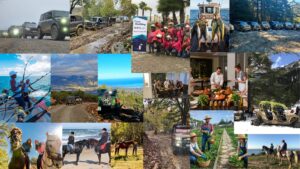
Riad Sultana sits in the heart of the city. The farm is in the hills above it, a scenic twenty-to-thirty minute drive depending on where you start. Transfers from the riad are available directly through the team at Pick it Cook it – it’s worth mentioning your accommodation when you book, and they’ll sort the logistics.
Details:
- Transfer available from central Tangier and the medina area
- Full experience runs 4-5 hours including the garden harvest
- All dietary needs accommodated, including halal, vegetarian, and gluten-free
- Ideal for couples, small groups, and families alike
- Booking available via WhatsApp or directly online
The bottom line
You didn’t choose Riad Sultana because you wanted the easiest version of Tangier. You chose it because you wanted the city from the inside – its architecture, its textures, its hospitality. A morning at Pick it Cook it follows the same logic, extended into the hills and the farms that Tangier’s food has always come from.
If your stay at Sultana is about finding the Tangier behind the postcards, this belongs on your list.