
Tips for Identifying Genuine Moroccan Leather Products (Slippers, Bags, Jackets)
Estimated reading time: 5 minutes
- Understanding the types of Moroccan leather can tailor your search.
- Authentic Moroccan leather has unique texture and smell that stands out.
- Pay attention to craftsmanship and dye quality to ensure authenticity.
- Beware of prices that seem too good to be true as they often indicate imitation.
- Research where to shop in Tangier for genuine products.
Table of Contents:
- Understanding the Legacy of Moroccan Leather
- 1. Know the Types of Moroccan Leather
- 2. Check the Texture and Smell
- 3. Inspect the Dye and Color Quality
- 4. Examine Craftsmanship and Stitching
- 5. Be Wary of Prices That Seem Too Good to Be True
- 6. Understand the Source and Support Fair Trade
- Where to Shop for Authentic Moroccan Leather in Tangier
- Caring for Your Moroccan Leather Products
- Additional Resources for Moroccan Leather Enthusiasts
- Final Thoughts
Understanding the Legacy of Moroccan Leather
Before delving into how to identify genuine Moroccan leather products, it’s important to understand why Moroccan leather is so special. Morocco has a centuries-old tradition of leather crafting, rooted in the tanneries of Fes, Marrakech, and Tangier. Moroccan leather is often vegetable-tanned using natural dyes derived from plants and minerals, rather than harsh chemicals. The result is a beautifully soft, yet sturdy material with a rich, earthy aroma and a unique patina that develops over time.
Common Moroccan leather products include:
- Babouches (slippers): Lightweight, pointed leather slippers that are both comfortable and stylish.
- Handbags: Intricately stitched and often adorned with decorative patterns.
- Jackets and outerwear: Crafted from soft leather that combines elegance with durability.
1. Know the Types of Moroccan Leather
Moroccan leather is traditionally divided into a few types based on the tanning process and finish:
- “Dye” leather: Vegetable-tanned leather dyed with natural pigments like henna or saffron.
- “Chic” leather: Softer leather often used for accessories, sometimes dyed in bold colors.
- “Belgha” leather: Lightweight leather typically used for babouches.
- “Belly” leather: Thicker leather commonly used for bags and outerwear.
Knowing the type of leather you desire can help tailor your search and set realistic expectations regarding texture and durability.
2. Check the Texture and Smell
Authentic Moroccan leather has distinctive tactile and olfactory qualities:
- Texture: Genuine Moroccan leather should feel supple but firm, not plasticky or overly smooth like faux leather. It often features natural grain or slight imperfections, which are a sign of real hide rather than synthetic material.
- Smell: The scent of Moroccan leather is unmistakable — earthy, rich, and slightly musky due to the natural tanning process. If the product smells like plastic or chemicals, it’s likely synthetic or treated with artificial dyes.
When shopping, don’t hesitate to touch and smell the leather. Sellers in reputable shops generally welcome close inspection.
3. Inspect the Dye and Color Quality
One hallmark of authentic Moroccan leather is its natural dyeing process. Look for:
- Vibrancy with depth: Moroccan leather often boasts deep, vibrant colors due to natural dyes such as henna, pomegranate, or indigo. The colors should have a rich tone, not bright neon hues that could indicate synthetic coloring.
- Evenness but natural variation: While the overall color should be consistent, natural dyeing means slight variations are normal and add character.
- Color durability: Gently rub the leather with a white cloth; if color transfers easily, it might be a sign of poor-quality dye or fake leather.
4. Examine Craftsmanship and Stitching
Moroccan leather products represent artisanal mastery:
- Handmade details: Authentic leather items often showcase hand-stitched seams, intricate patterns, or embossing. Machine-made items might look overly perfect or repetitive.
- Quality hardware: For bags and jackets, zippers, buckles, and clasps should be sturdy, often metal, and free from rust or chipping paint.
- Seam strength: Examine seams closely — they should be tight and secure, holding the leather together seamlessly.
Souks and small workshops typically offer the best leather goods crafted by skilled artisans who take pride in their work.
5. Be Wary of Prices That Seem Too Good to Be True
Ethical leather craftsmanship takes time, effort, and quality materials, which naturally commands a fair price. Extremely cheap leather goods are often imitations made with synthetic materials or poor tanning processes that won’t last.
To avoid being misled:
- Research average prices before you shop.
- Compare products from multiple vendors.
- Remember that genuine Moroccan leather goods represent an investment that age beautifully with proper care.
6. Understand the Source and Support Fair Trade
Authentic Moroccan leather often originates from tanneries in Fes and Marrakech. Some vendors offer traceability or transparency about where their leather comes from and how it was treated. Supporting shops that use ethically sourced leather helps sustain traditional craftsmanship and local communities.
Where to Shop for Authentic Moroccan Leather in Tangier
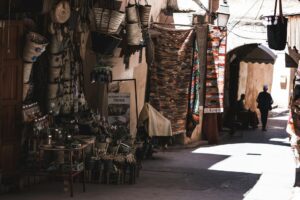
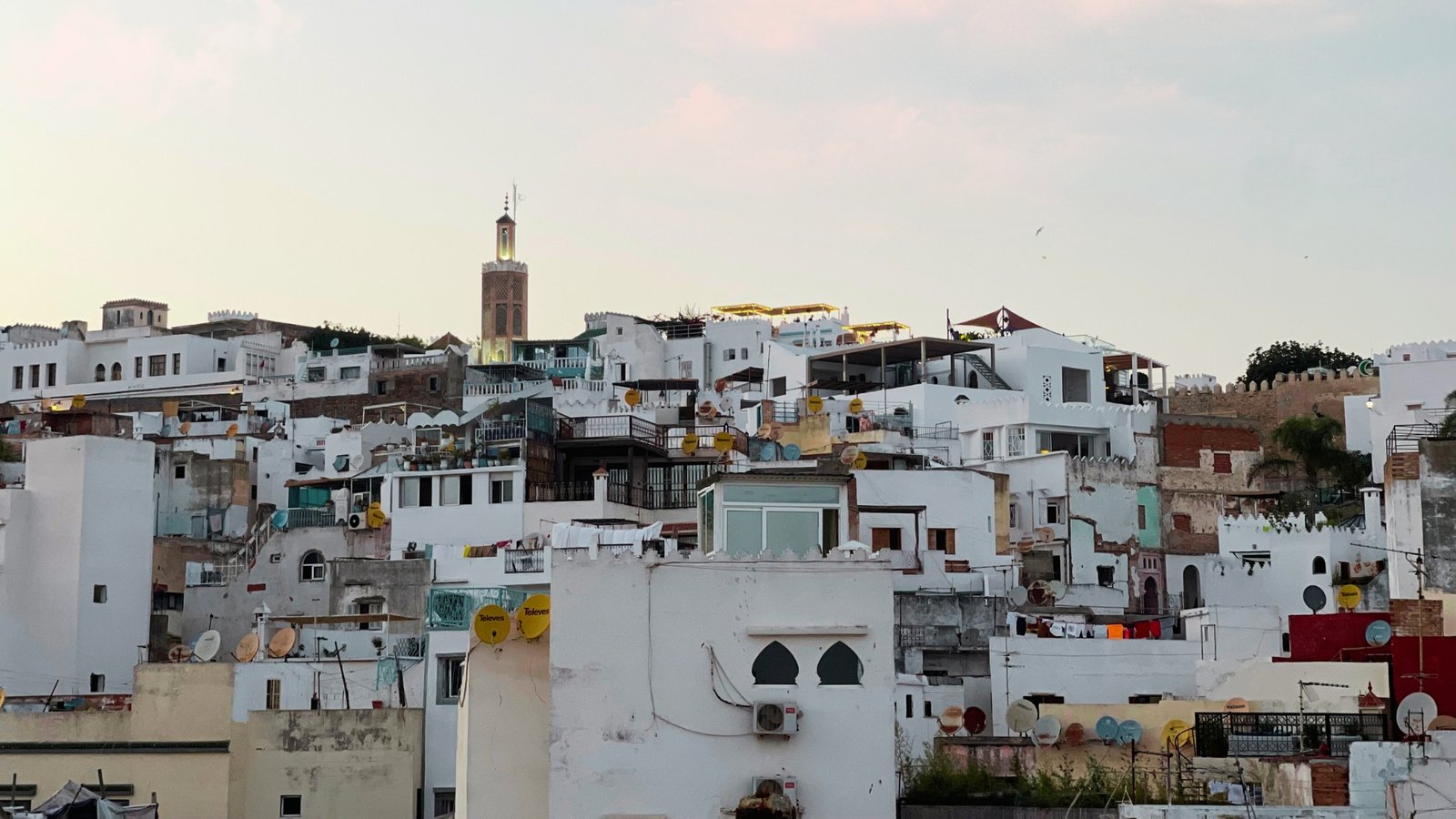
If you are planning a trip to Tangier or passing through Morocco, the city’s medina is a prime destination for genuine Moroccan leather products. Narrow alleys connected to buzzing souks offer a sensory overload of sights, sounds, and smells, including the famous leather market area. Here, experienced artisans and vendors sell slippers, bags, jackets, and more.
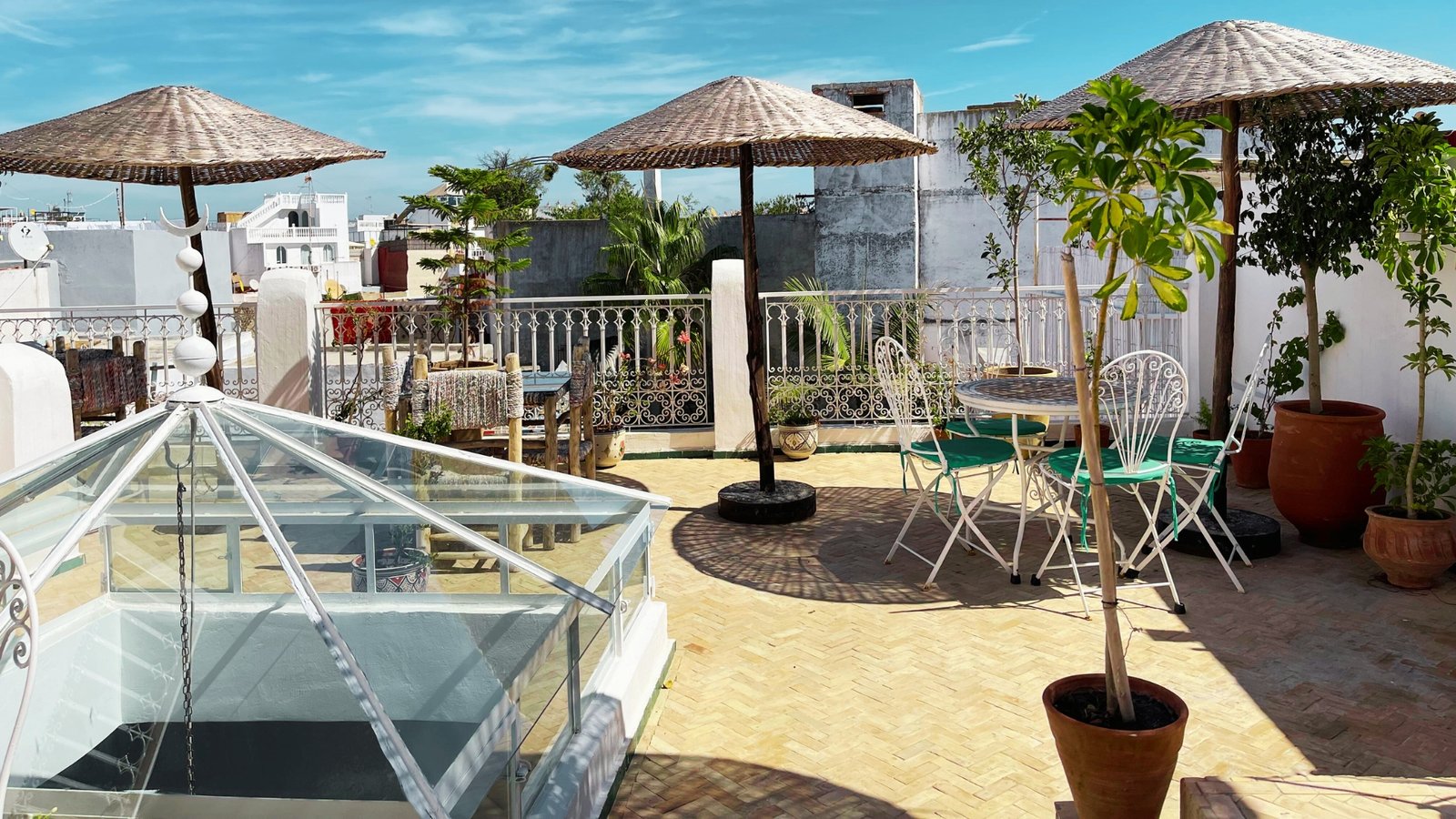
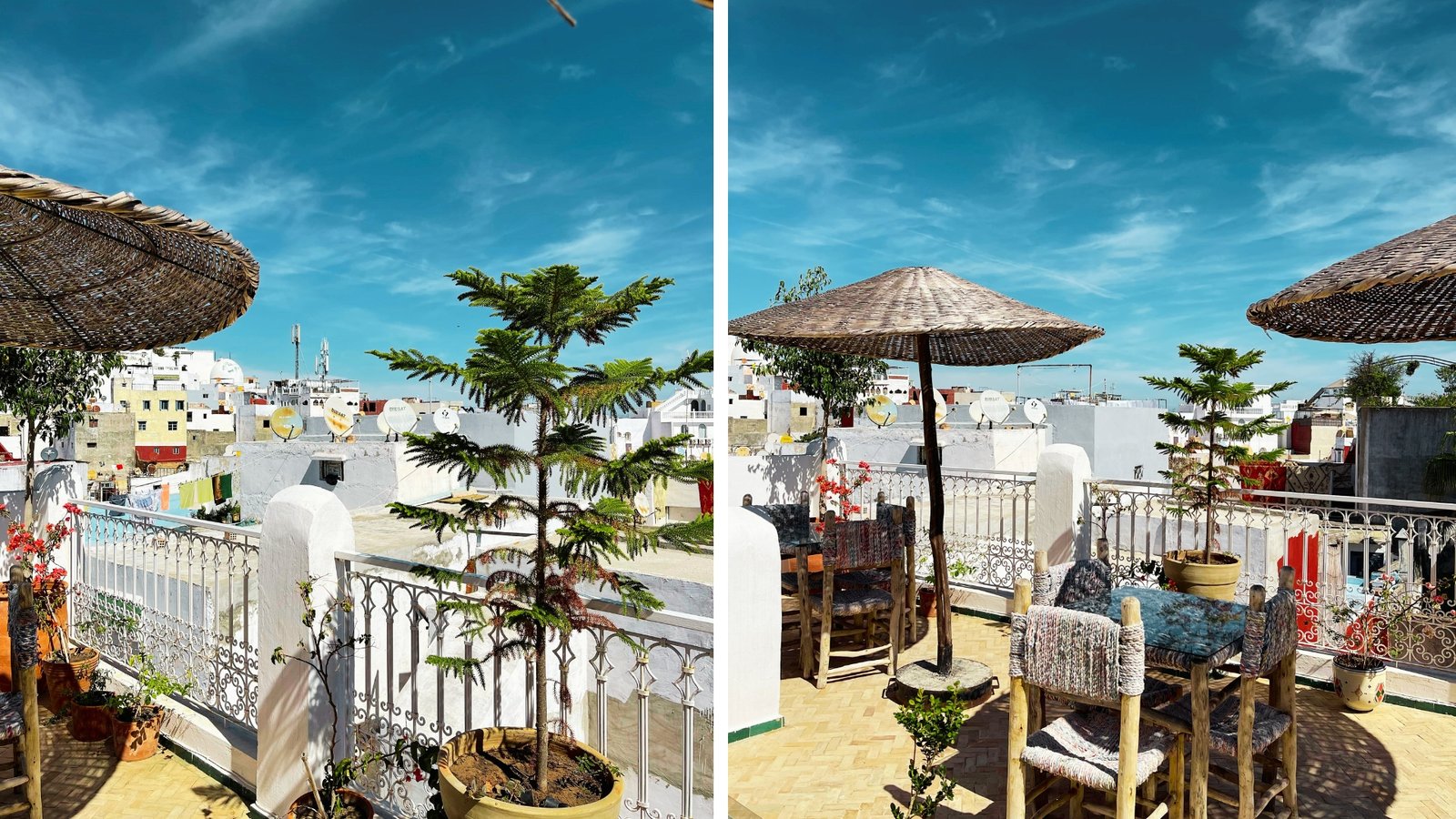
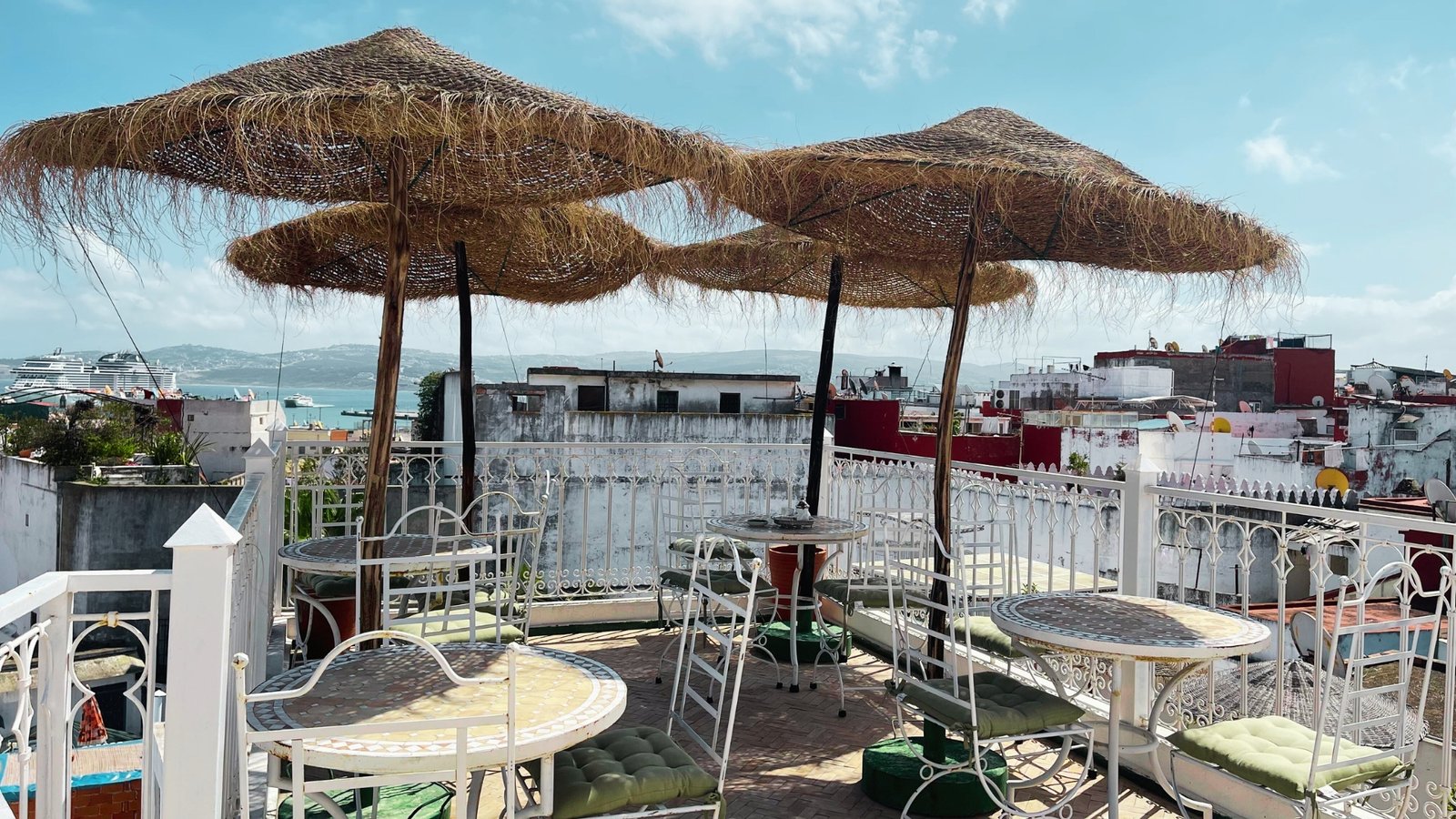
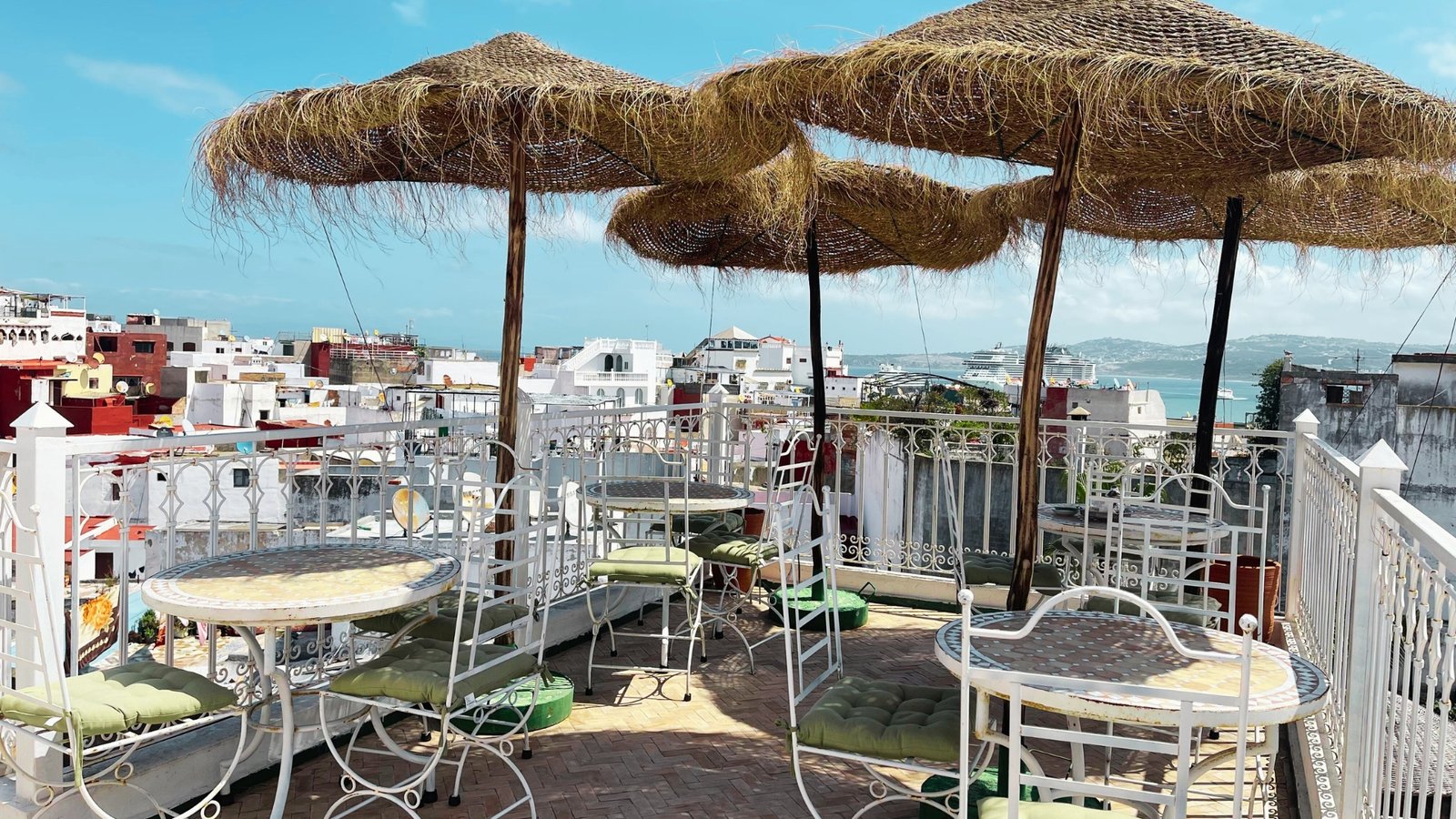
Pro Tip: To make your stay extraordinary while immersing yourself in Tangier’s authentic culture, book your accommodation at the Riad Sultana Tangier. This exquisite riad offers not only comfortable rooms with traditional Moroccan décor but also an authentic Moroccan ambiance just minutes from the leather markets and other historic sites. Staying at Riad Sultana gives you insider access to the city’s hidden gems, including the best places to buy genuine Moroccan leather.
Caring for Your Moroccan Leather Products
Once you’ve purchased your genuine Moroccan leather slippers, bags, or jackets, proper care will ensure they last a lifetime:
- Keep leather dry: Avoid heavy exposure to water. If it gets wet, pat dry gently and let it air out naturally.
- Use leather conditioners: Apply quality natural conditioners periodically to maintain softness and prevent cracking.
- Store properly: Keep leather items in breathable dust bags and avoid plastic covers that trap moisture.
- Handle with clean hands: Oils and dirt can alter the appearance of leather over time.
Additional Resources for Moroccan Leather Enthusiasts
To deepen your knowledge about Moroccan leather and craftsmanship, consider exploring:
- Morocco Leather Guide on Morocco Expert
- Visit Fes Tanneries Detailed Overview
- Cultural History of Moroccan Leather on UNESCO
Final Thoughts
Finding authentic Moroccan leather products doesn’t have to be overwhelming if you know what to look for. By understanding the types of leather, checking texture and smell, inspecting dye quality and craftsmanship, and shopping wisely in trusted markets, you can confidently identify genuine Moroccan leather slippers, bags, and jackets.
And as you embark on your Moroccan adventure, remember that the experience is just as important as what you bring home. Staying at the charming Riad Sultana Tangier immerses you in the heart of Moroccan culture with comfort and elegance, making your journey even more unforgettable.
Whether you’re wandering the alleys of Tangier’s medina or exploring Morocco’s vast landscapes, your authentic Moroccan leather products will become cherished souvenirs, reminders of a land rich in history, artistry, and timeless beauty. Safe travels and happy shopping!
FAQs
- How do I clean Moroccan leather?
- What is vegetable tanning, and why is it important?
- Where can I find authentic Moroccan leather products?
How do I clean Moroccan leather?
To clean Moroccan leather, use a soft, damp cloth to wipe off any dirt and then dry with a clean cloth. Avoid excessive moisture.
What is vegetable tanning, and why is it important?
Vegetable tanning is a traditional method that uses natural plant materials to tan leather, ensuring a softer and more environmentally friendly product.
Where can I find authentic Moroccan leather products?
Authentic Moroccan leather products can often be found in tanneries and reputable shops in cities like Marrakech, Fes, and Tangier.