
Estimated reading time: 5 minutes
- The rich history of Asilah showcases the influence of Portuguese architecture.
- Key landmarks include the 15th-century ramparts and the Al-Kamra Tower.
- Asilah’s historical context is a blend of conflict and cultural exchange.
- Practical tips for exploring include the best visiting times and local guides.
- Nearby accommodations like Riad Sultana Tangier enhance the travel experience.
Table of Contents
- The Portuguese Influence in Northern Morocco: Context and Impact
- Understanding the 15th-Century Ramparts of Asilah
- The Al-Kamra Tower: A Symbol of Defense and Heritage
- Practical Tips for Exploring Asilah’s Historical Legacy
- Extending Your Journey: Stay at Riad Sultana Tangier
- FAQs About the History of Asilah
The Portuguese Influence in Northern Morocco: Context and Impact
In the late 15th century, Portuguese explorers and military forces expanded their reach along the Atlantic coast of Northern Morocco. Asilah, due to its strategic location, became an essential outpost. The Portuguese built extensive defenses — primarily the ramparts and towers — to secure their foothold and control maritime trade routes.
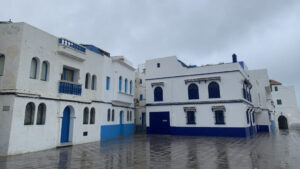
The history of Asilah during this period is marked by a mixture of conflict and cultural exchange between the local Moroccan population and Portuguese settlers. These interactions influenced the town’s urban layout, architecture, and even some customs that linger to this day.
Understanding the 15th-Century Ramparts of Asilah
What Are the Ramparts?
The 15th-century ramparts are massive stone walls that encircle the old medina of Asilah. Originally constructed by the Portuguese in the 1470s after their conquest, these fortifications were designed to withstand both naval attacks from the sea and invasions by land forces.
Architectural Features
- Material & Construction: Built primarily from local limestone and reinforced with mortar, the ramparts boast robust battlements with crenellations and gun ports.
- Layout: The walls form a roughly rectangular enclosure with several bastions and gates strategically placed for surveillance and defense.
- Restoration: Over centuries, the ramparts have been restored, especially by Moroccan authorities, preserving their historical and aesthetic value.
Exploring the Ramparts Today
Visitors can walk along parts of the ramparts, enjoying stunning panoramic views of Asilah’s medina, the Atlantic Ocean, and the surrounding landscape. Many spots offer picturesque photo opportunities, particularly during sunrise and sunset.
The Al-Kamra Tower: A Symbol of Defense and Heritage
Integral to the town’s defenses, the Al-Kamra Tower stands as a prominent example of Portuguese military architecture. Positioned at the southwestern corner of the ramparts, this tower provided a vantage point for spotting approaching enemy ships.
Features of Al-Kamra Tower
- Design: The tower is cylindrical, allowing for a wider field of vision and better defense capabilities.
- Historical Purpose: It housed colonial troops and housed cannons that guarded the coast.
- Cultural Significance: Locally known as “Qasr al-Kamra,” the tower is not just a military relic but also a cultural symbol reflecting Asilah’s layered identity.
Visitors today find the Al-Kamra Tower a compelling site for understanding the town’s defensive history within the broader narrative of Moroccan-Portuguese relations.
Practical Tips for Exploring Asilah’s Historical Legacy
If you’re planning a trip to Northern Morocco and wish to immerse yourself in the history of Asilah, here are some useful recommendations:
- When to Visit: Spring and autumn offer mild temperatures for comfortable exploration without summer crowds.
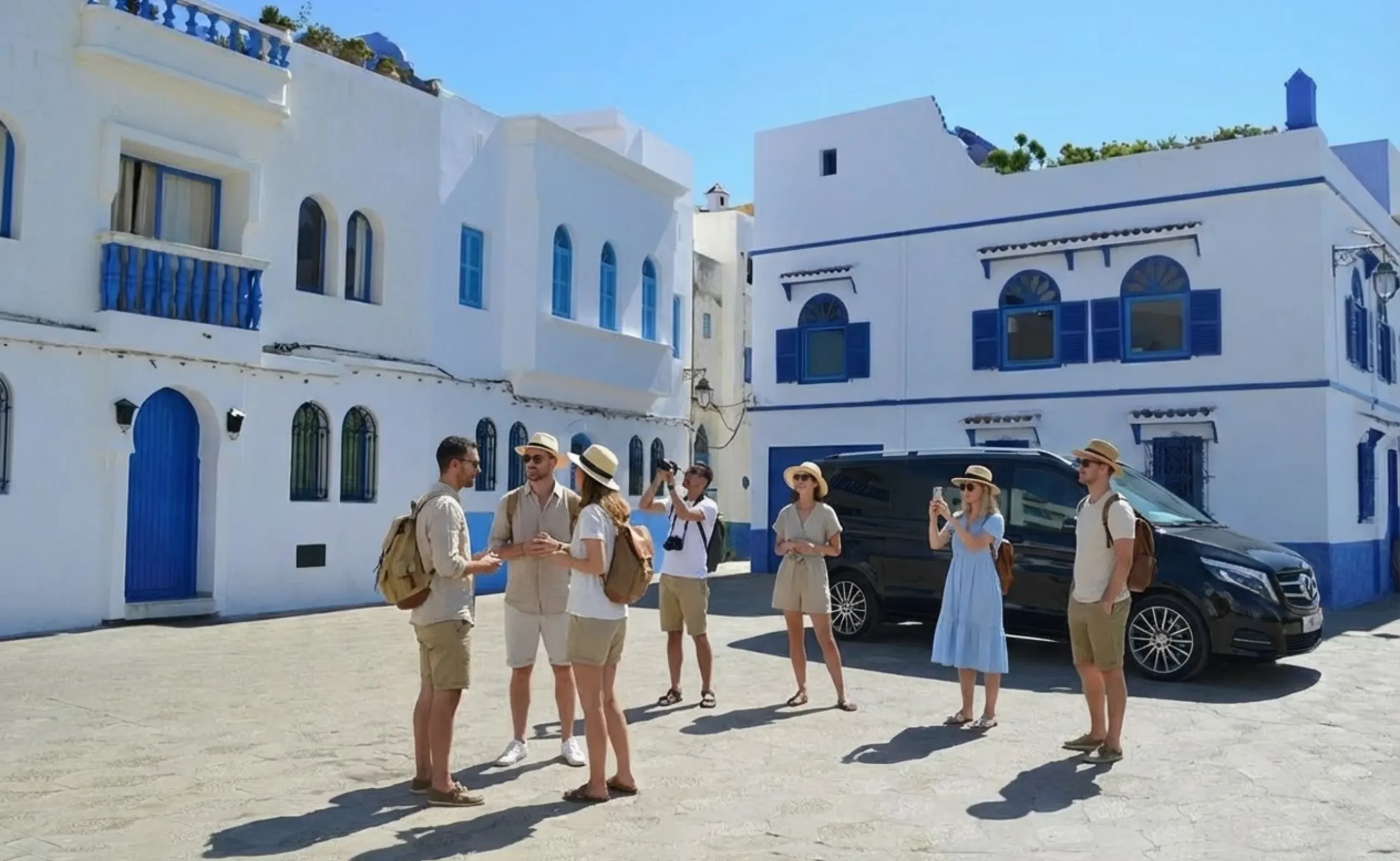
- Guided Tours: Consider hiring a local guide who can provide rich historical context and anecdotes about the fortifications.
- What to Bring: Comfortable walking shoes, sunscreen, and a camera to capture breathtaking views from the ramparts.
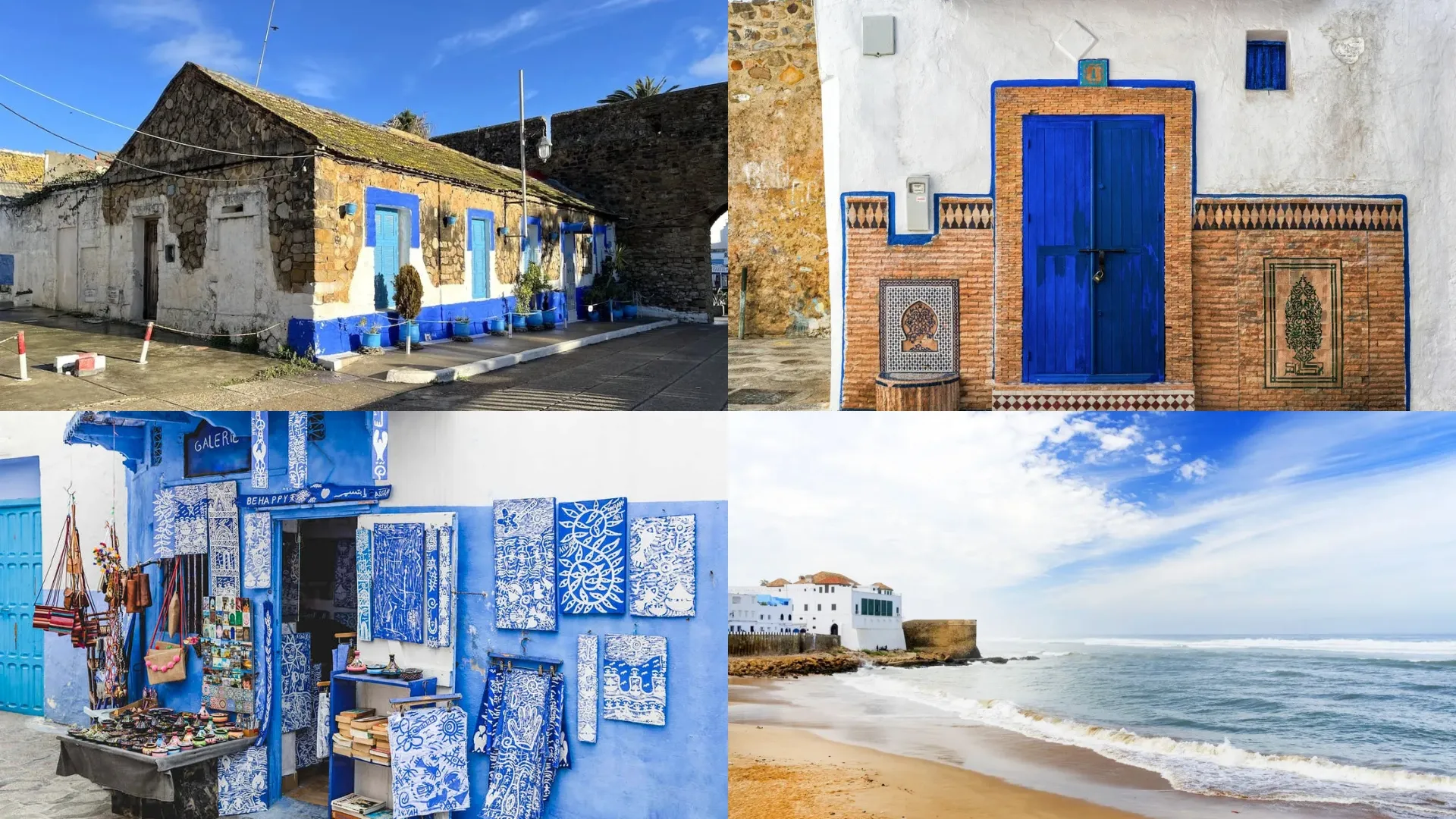
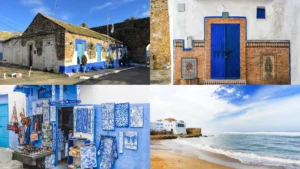
- Nearby Attractions: Don’t miss the vibrant medina with its galleries, murals, and artisan shops indicative of modern Asilah’s artistic soul.
Extending Your Journey: Stay at Riad Sultana Tangier
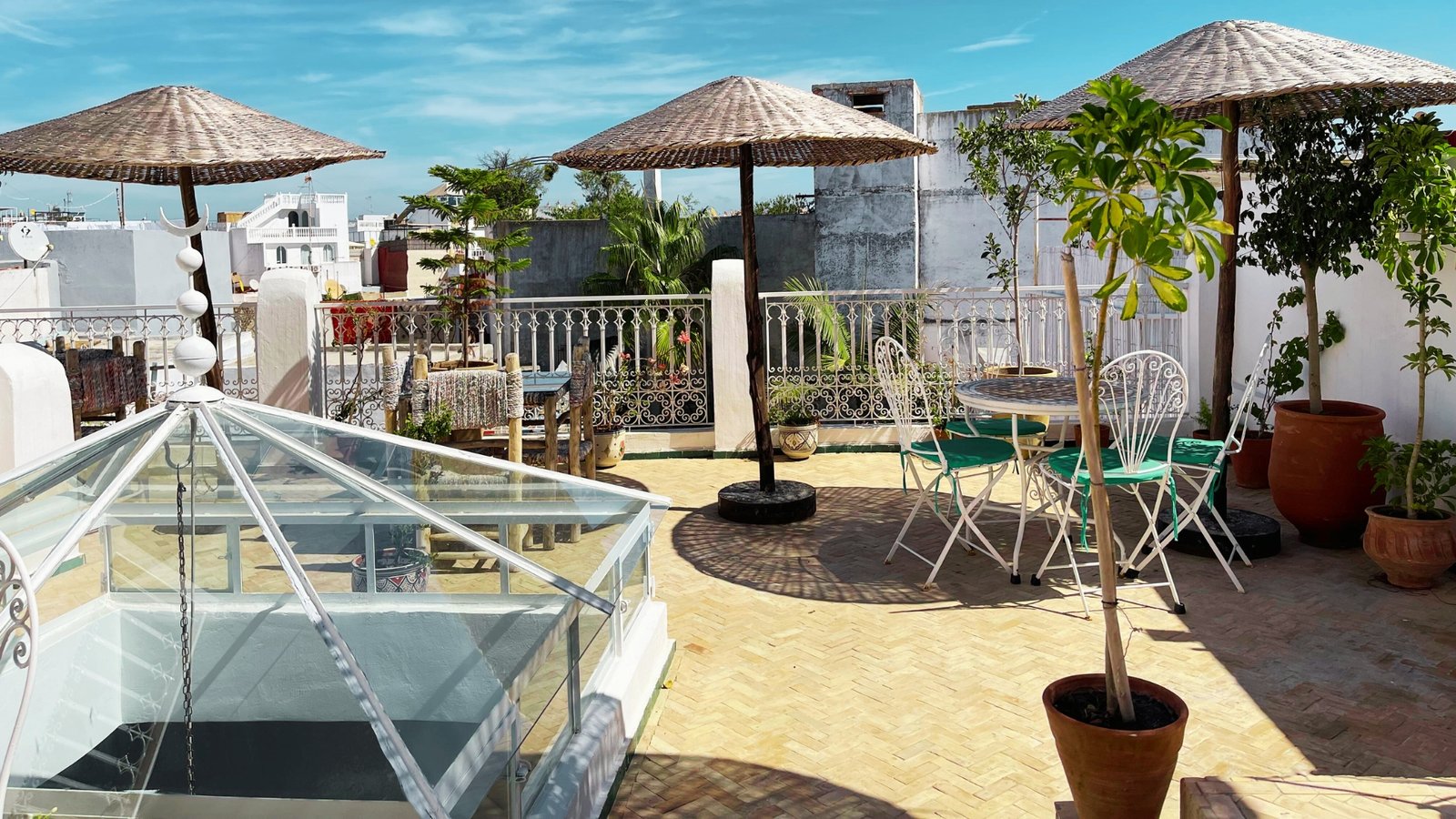
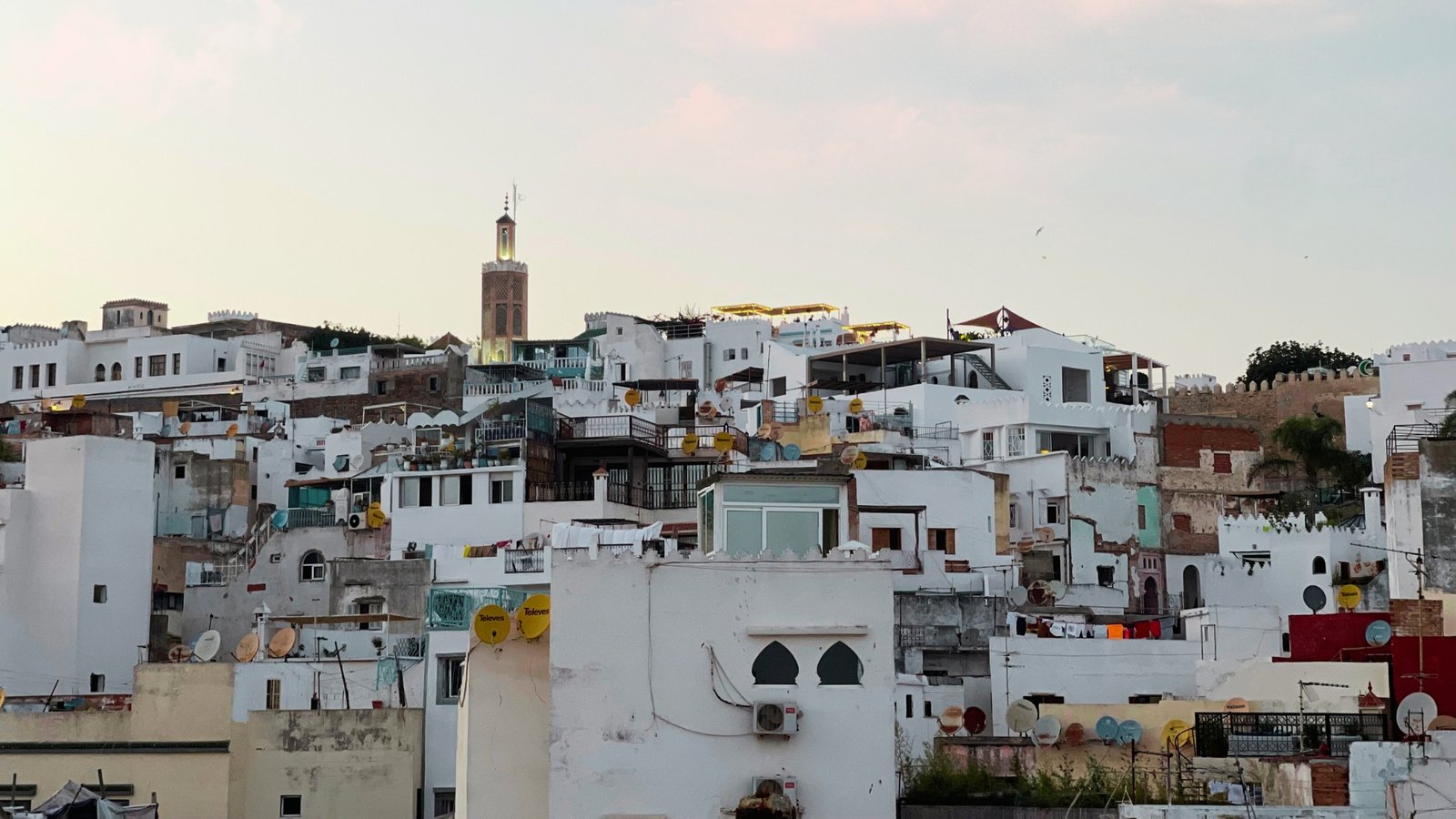
For travelers exploring Northern Morocco’s coastal gems, the experience is enhanced by choosing accommodation that reflects the region’s authentic charm. Located in the Kasbah Medina of Tangier, Riad Sultana offers a serene and romantic atmosphere combining traditional Moroccan architecture with modern comforts.
- Within a short drive from Asilah, Riad Sultana provides easy access to Tangier’s metropolitan and historic sites.
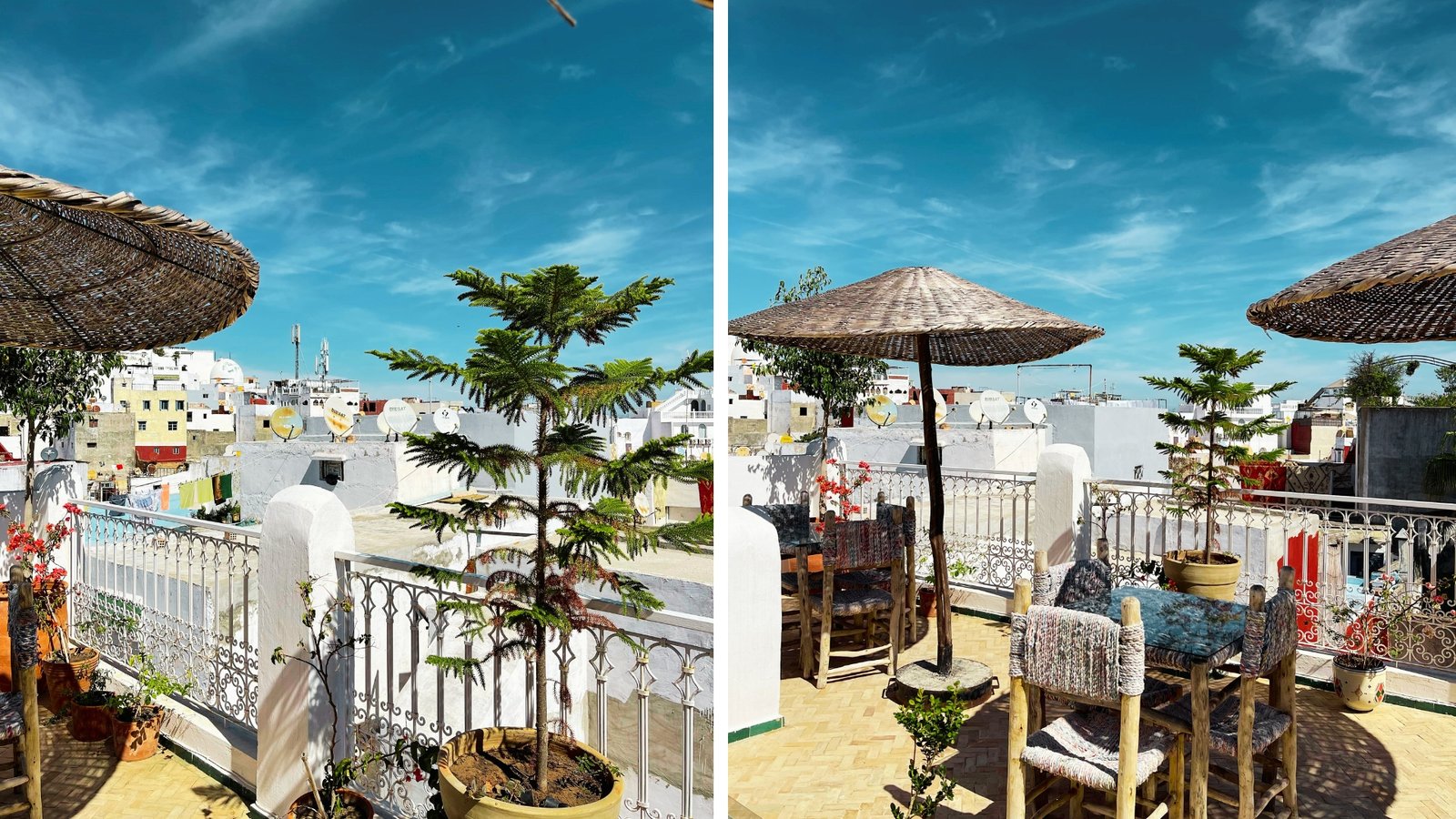
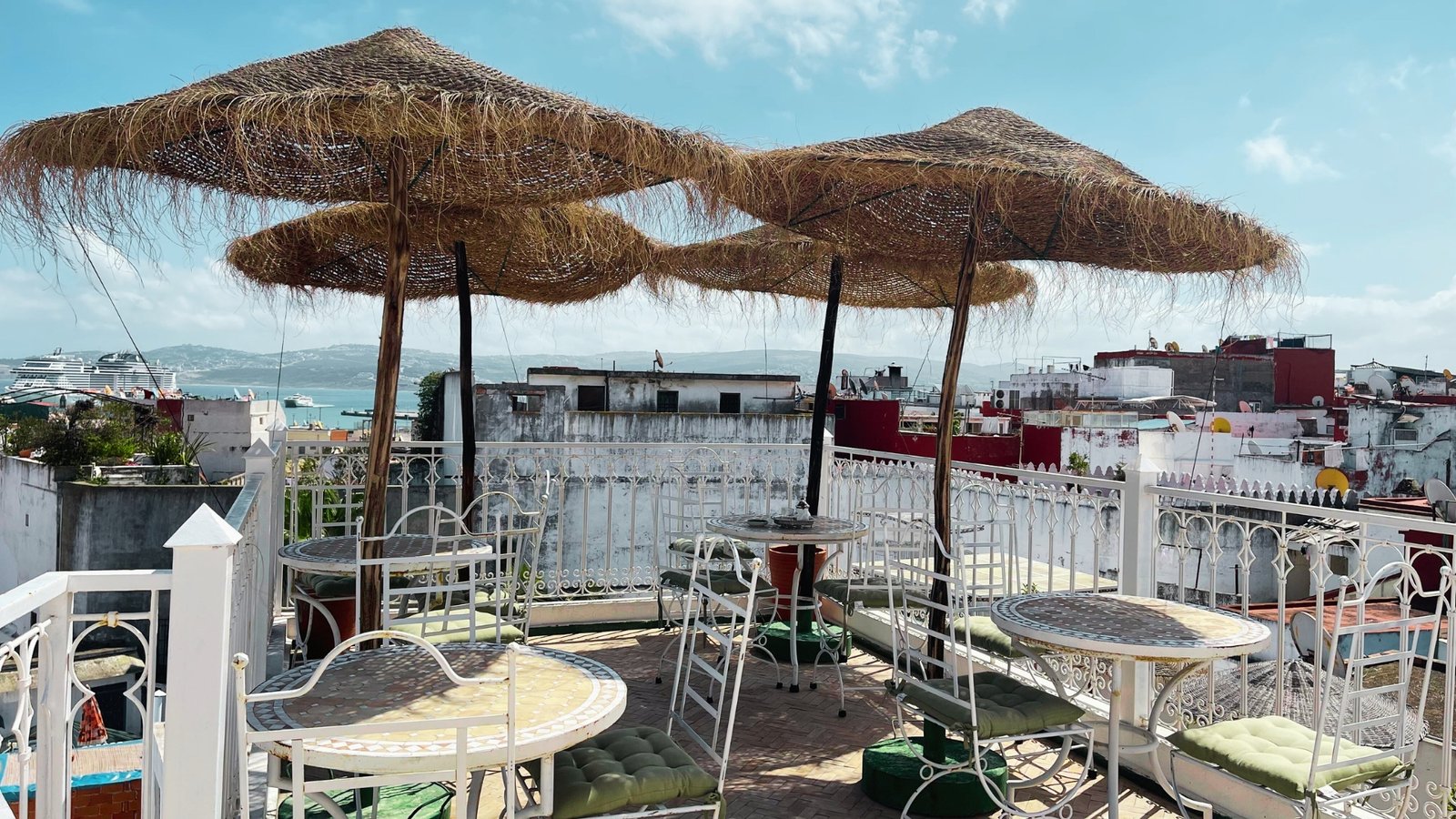
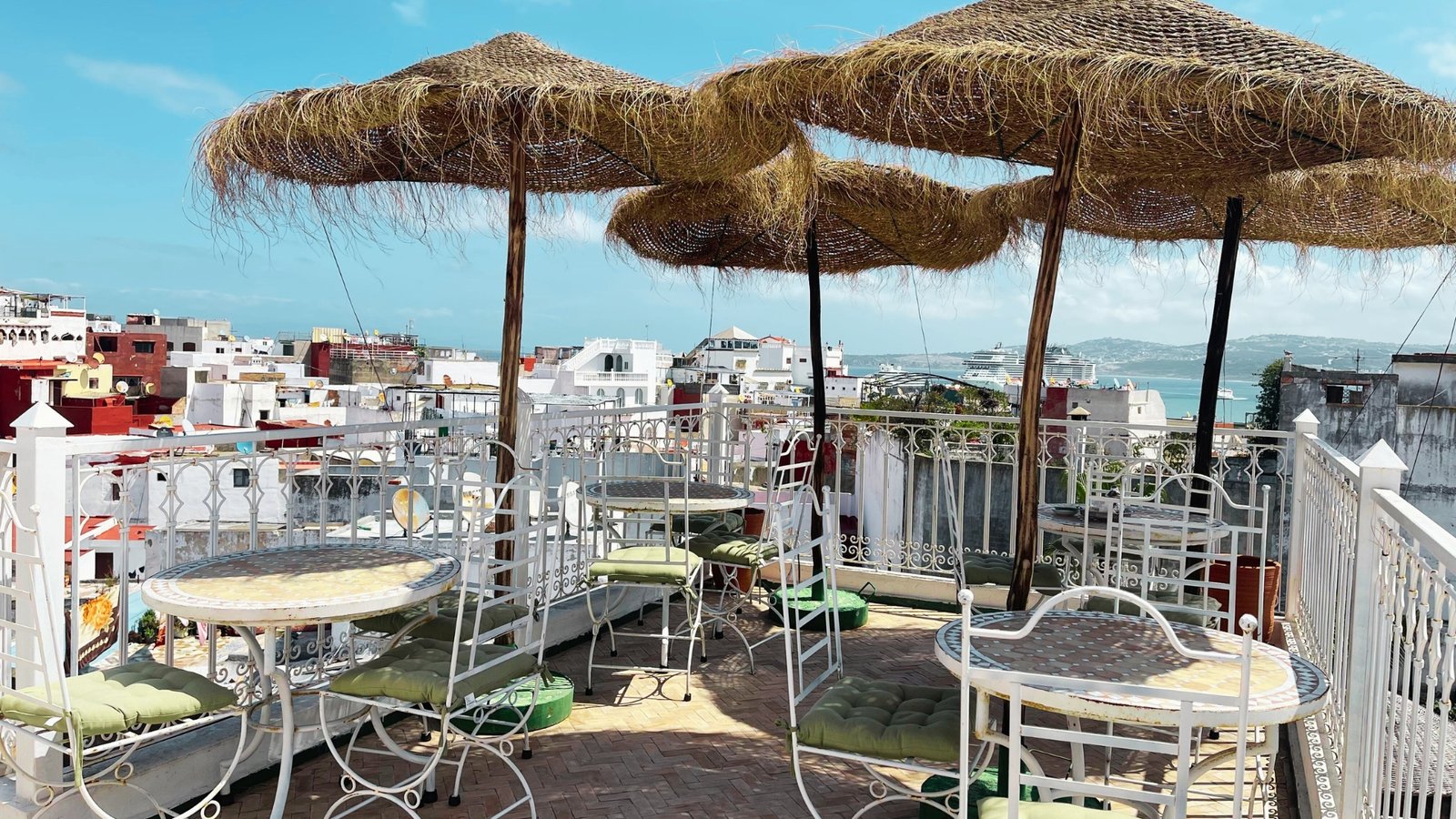
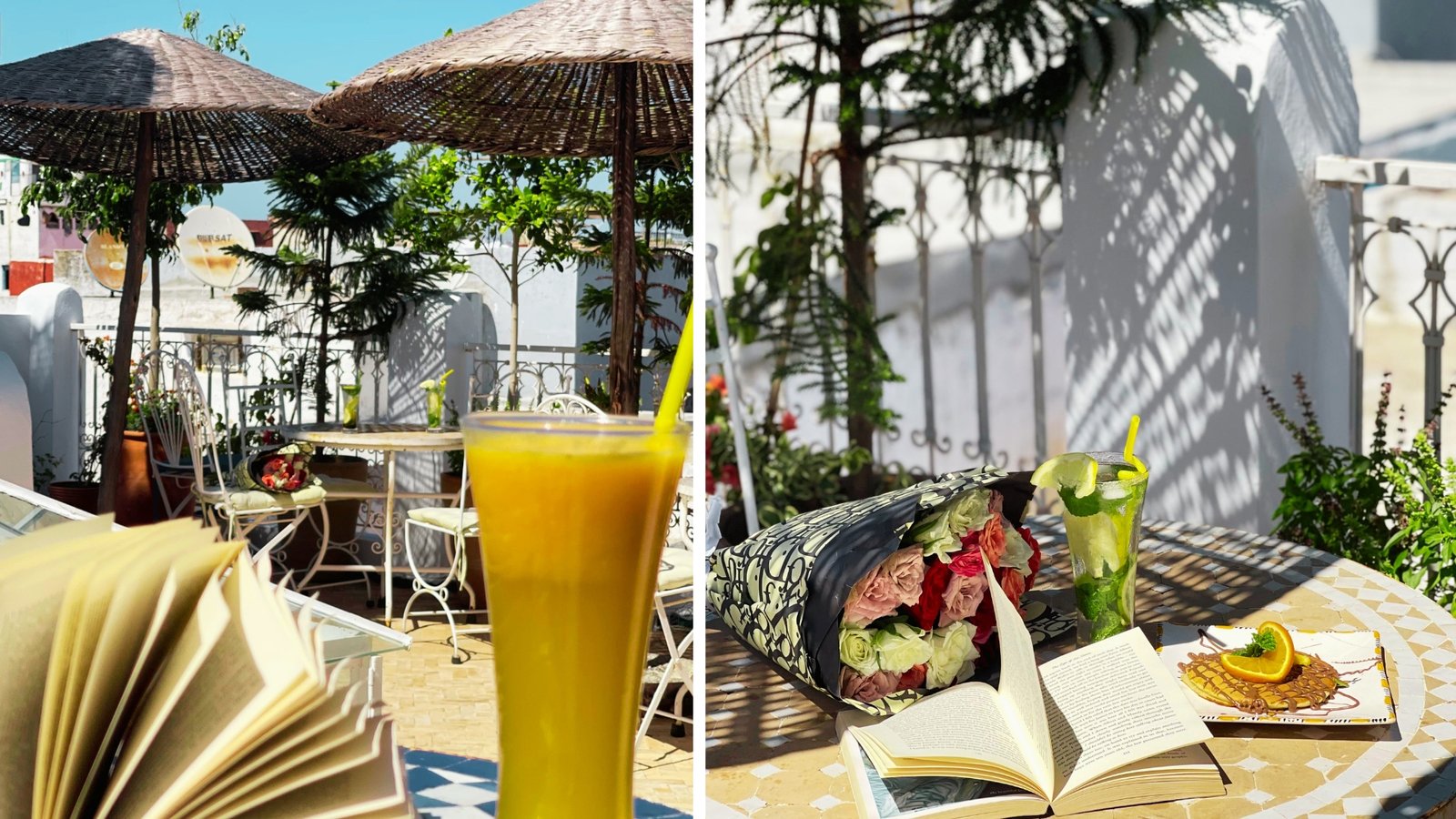
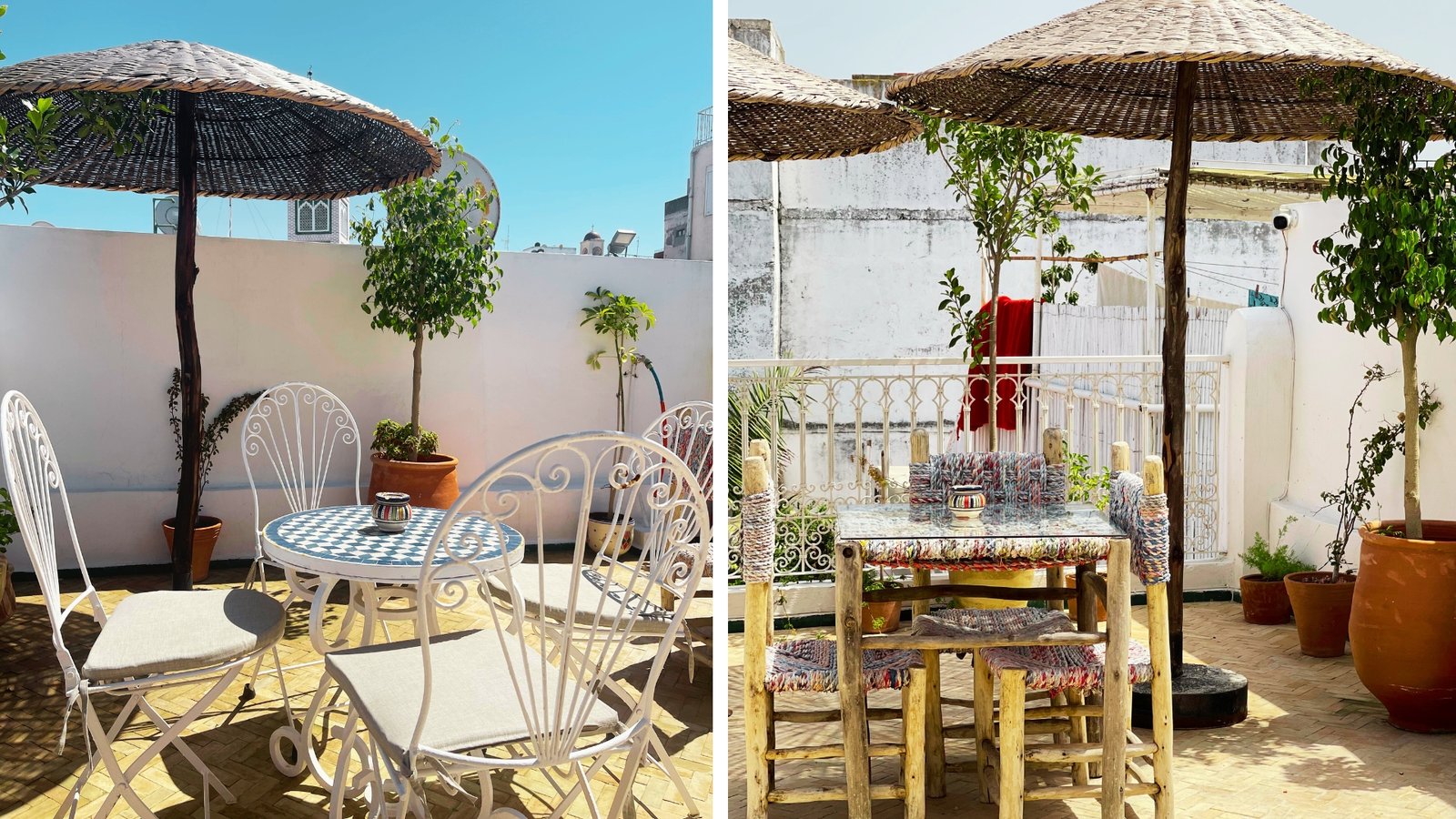
- Its tranquil courtyard and rooftop terrace make it an ideal retreat after adventurous days spent touring historic ramparts like those found in Asilah.
- Guests often appreciate the personalized hospitality and the chance to immerse themselves in the heart of Tangier’s old medina.
To learn more about this elegant property and plan your stay, visit Riad Sultana Tangier.
FAQs About the History of Asilah
Q1: When were the Portuguese ramparts in Asilah built?
A1: The ramparts were constructed in the late 15th century, around the 1470s, after the Portuguese conquest of Asilah.
Q2: Can visitors access the Al-Kamra Tower today?
A2: Yes, visitors can explore the tower and surrounding ramparts as part of Asilah’s historic medina, often accompanied by local guides.
Q3: How did the Portuguese influence shape Asilah’s culture?
A3: Beyond military architecture, Portuguese rule introduced new urban designs and trade connections, which fused with local Moroccan traditions over time.