
Estimated reading time: 5 minutes
- Learn essential Moroccan Darija phrases for authentic interactions.
- Engage with locals in Tangier and Northern Morocco effectively.
- Enhance your travel experience through cultural understanding.
- Practice phrases in friendly environments like Riad Sultana Tangier.
Table of Contents
- Why Learn Moroccan Darija?
- Top 10 Essential Moroccan Darija Phrases
- Practical Tips for Using Moroccan Darija in Tangier and Northern Morocco
- Exploring the Kasbah Medina: Where Culture and Language Meet
- Final Thoughts: Why Learning Moroccan Darija Enhances Your Trip
- Frequently Asked Questions
Why Learn Moroccan Darija?
Moroccan Darija is not just a language—it’s a cultural key. While French and Modern Standard Arabic are also spoken, Darija is the everyday medium of communication for locals. By greeting shopkeepers or asking for directions in Darija, you show respect and interest in local customs, often resulting in friendlier interactions and insider tips during your trip.
Top 10 Essential Moroccan Darija Phrases
1. Salam Alaykom (السلام عليكم) — Hello / Peace be upon you
The most common and respectful greeting, suitable any time of day. Expect “Wa alaykom salam” in response.
2. Shukran (شكرا) — Thank you
A simple but powerful phrase to express gratitude. You can also say “Shukran bzaaf” for “Thank you very much.”
3. Bslama (بسلامة) — Goodbye
A polite way to part ways, used when leaving shops, cafes, or after conversations.
4. La shukran (لا شكرا) — No, thank you
Useful when politely declining offers or food in markets.
5. 3afak (عفاك) — Please / Excuse me
Use this when requesting help or politely interrupting someone.
6. Kamsh Hal? (كيف حالك؟) — How are you?
Shows your interest in the person’s well-being, a great phrase for breaking the ice.
7. Fain…? (فين…؟) — Where is…?
Essential for asking directions, e.g., “Fain baab Medina?” (Where is the Medina gate?).
8. Shhal taman? (شحال تمن؟) — How much does it cost?
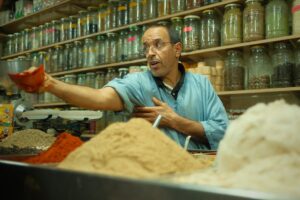
Crucial for shopping or haggling in souks and markets.
9. Ma fhmtsh (ما فهمتش) — I don’t understand
Helps in clarifying or asking someone to repeat if your Darija is still developing.
10. Mzyan (مزيان) — Good / Okay
Can be used conversationally to acknowledge understanding, approval, or satisfaction.
Practical Tips for Using Moroccan Darija in Tangier and Northern Morocco
- Pronunciation matters: Moroccan Darija sounds different from other Arabic dialects. Try listening to locals or language apps.
- Be patient and smile: Many locals appreciate any effort to speak Darija despite mistakes.
- Combine Darija with body language: Gestures help when words fail.
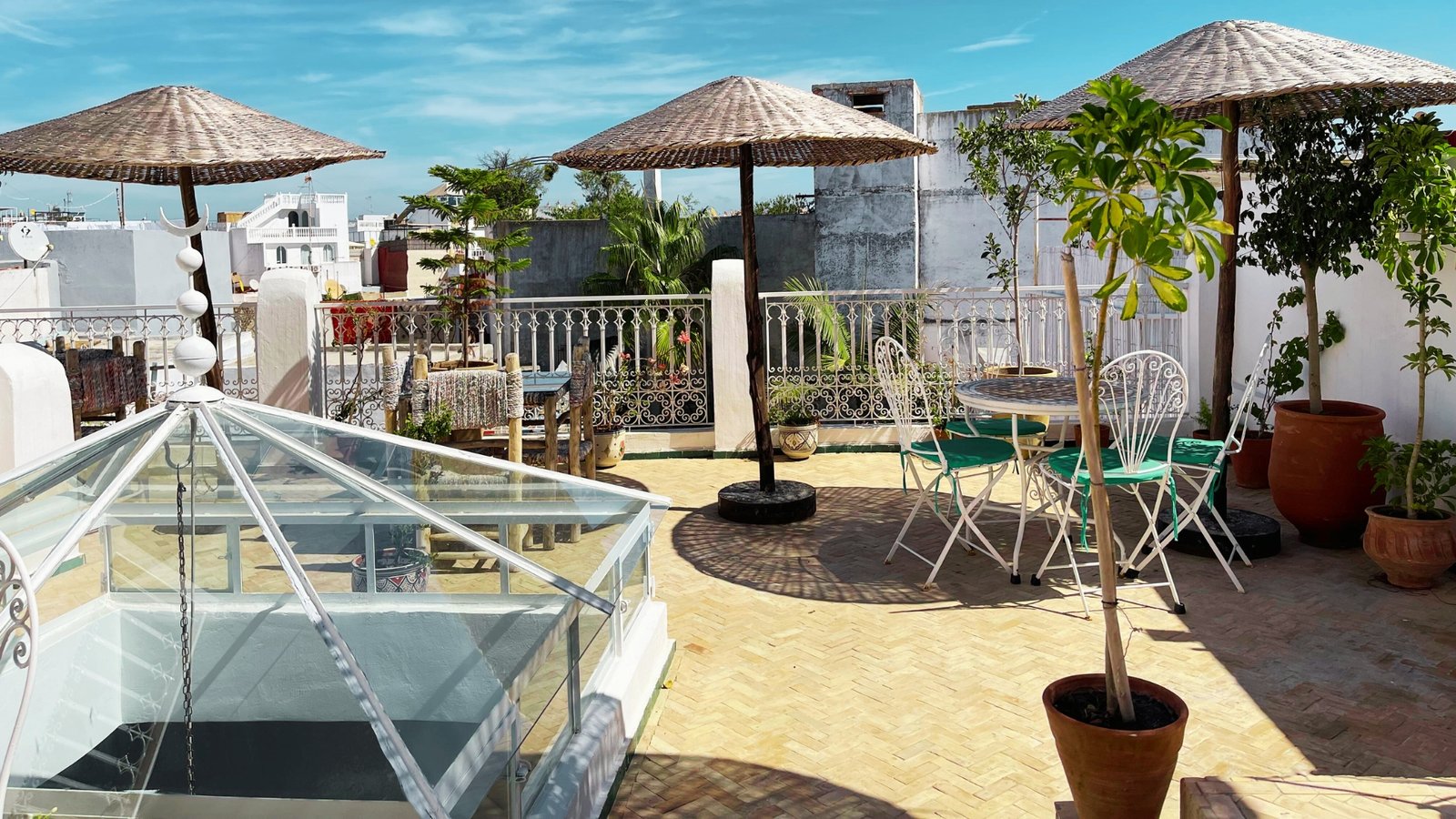
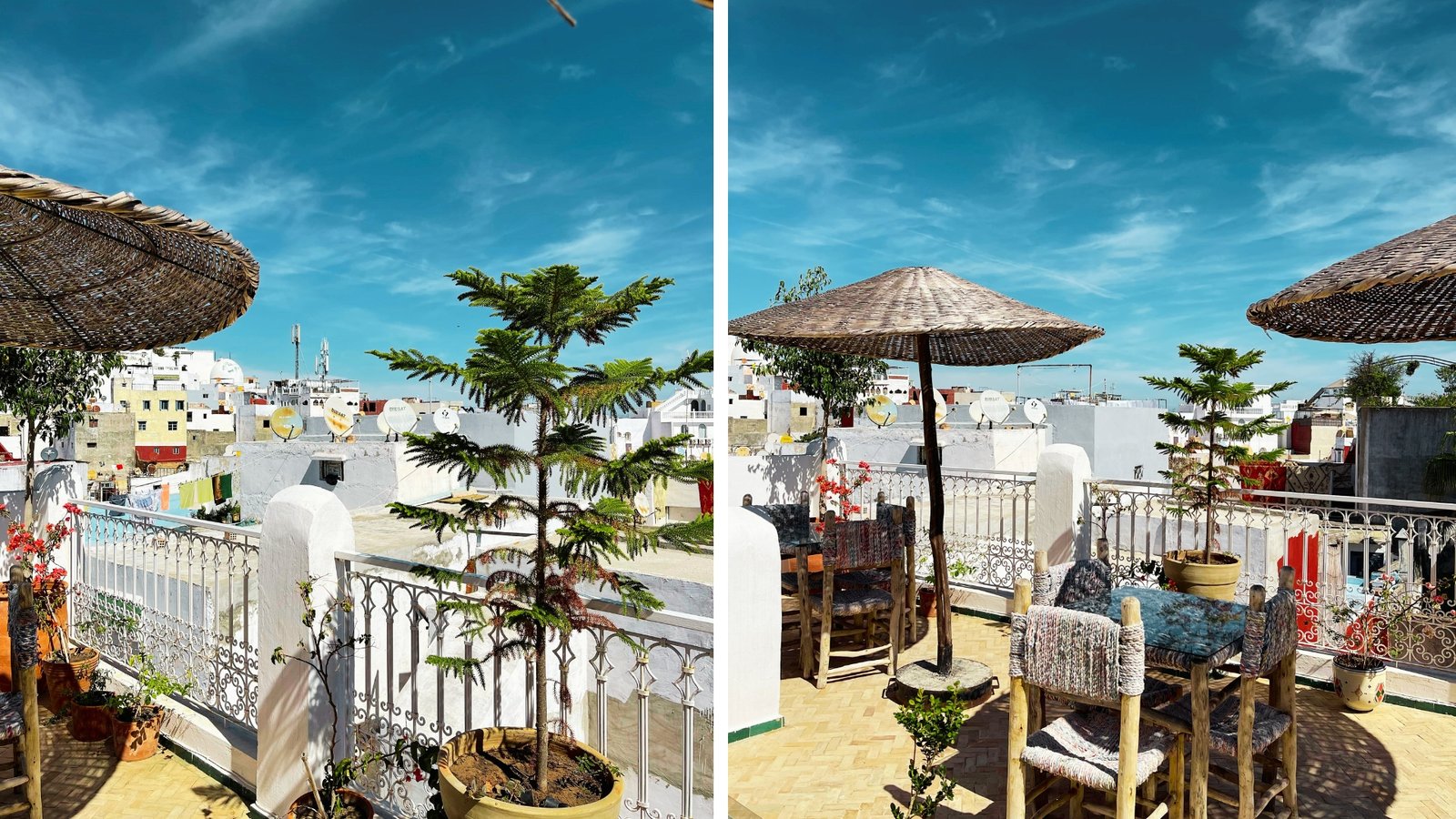
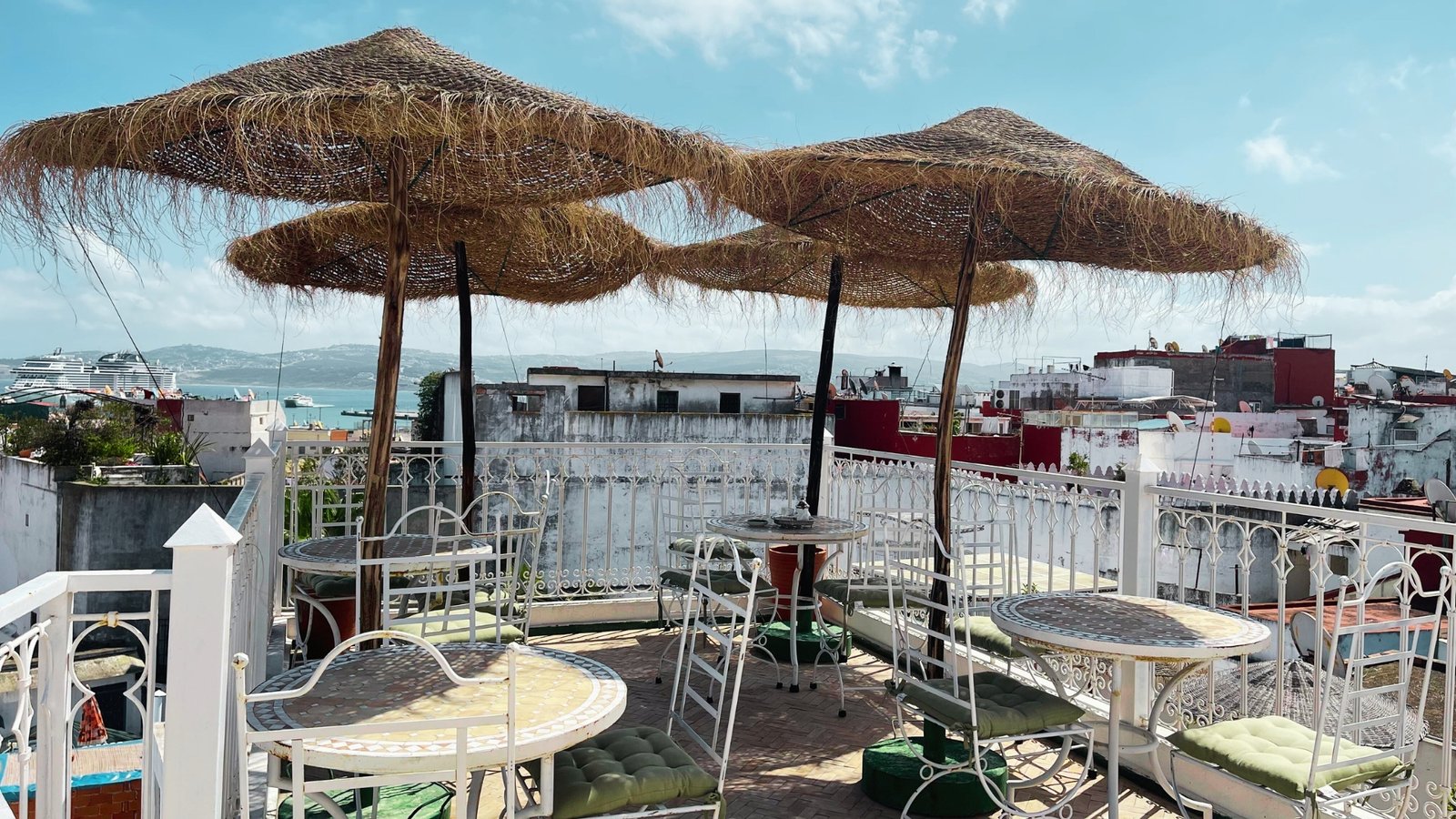
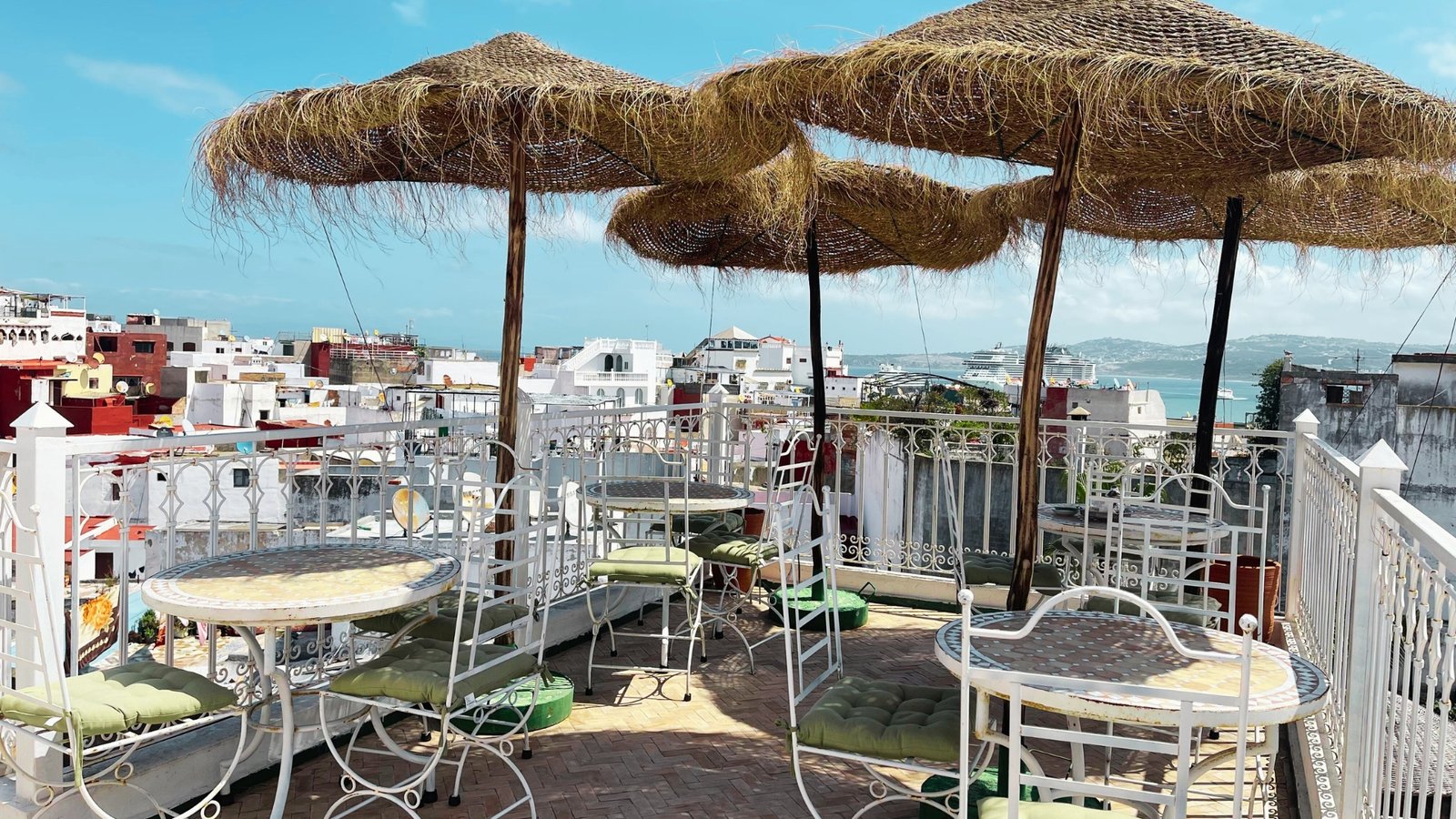
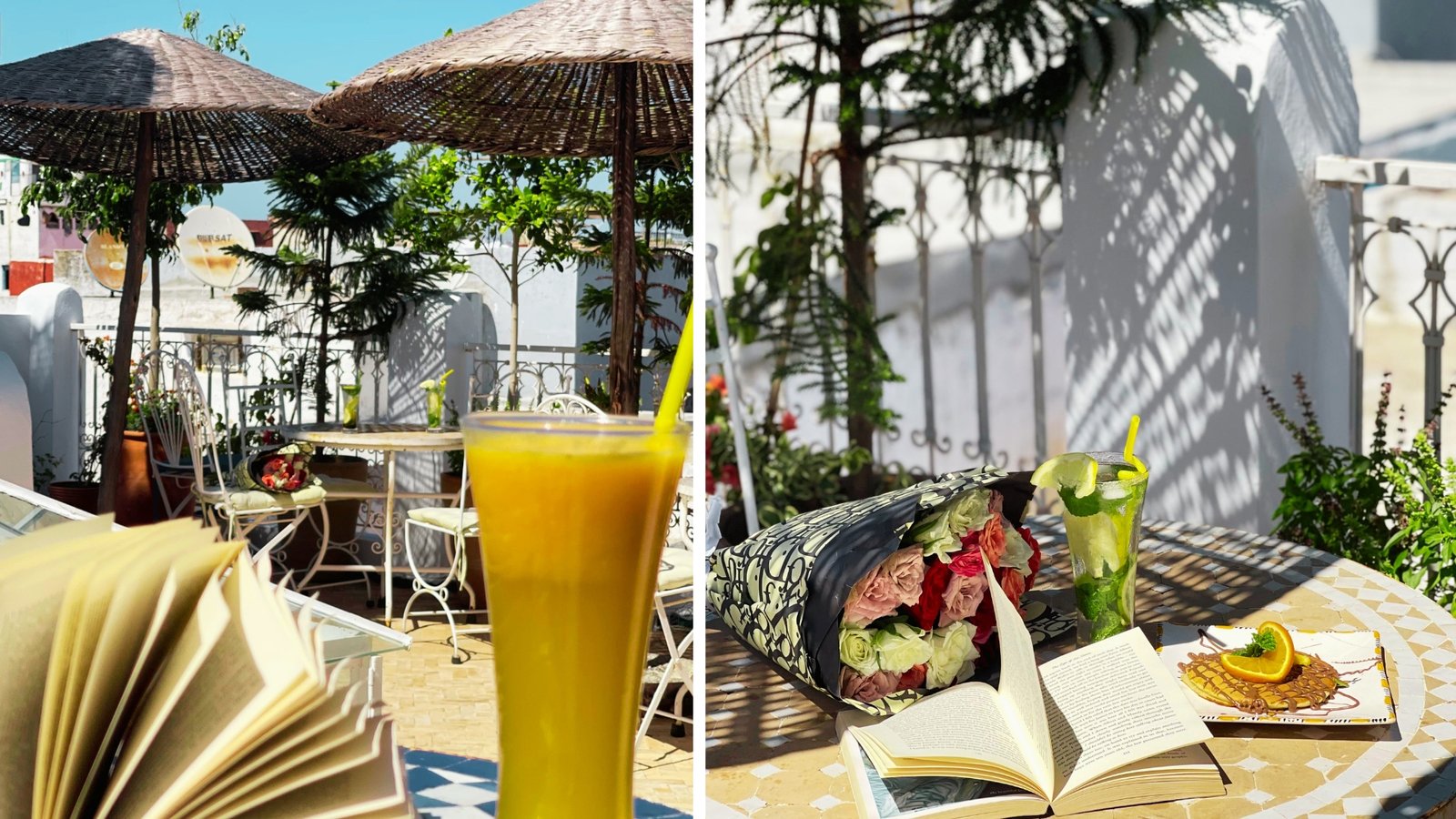
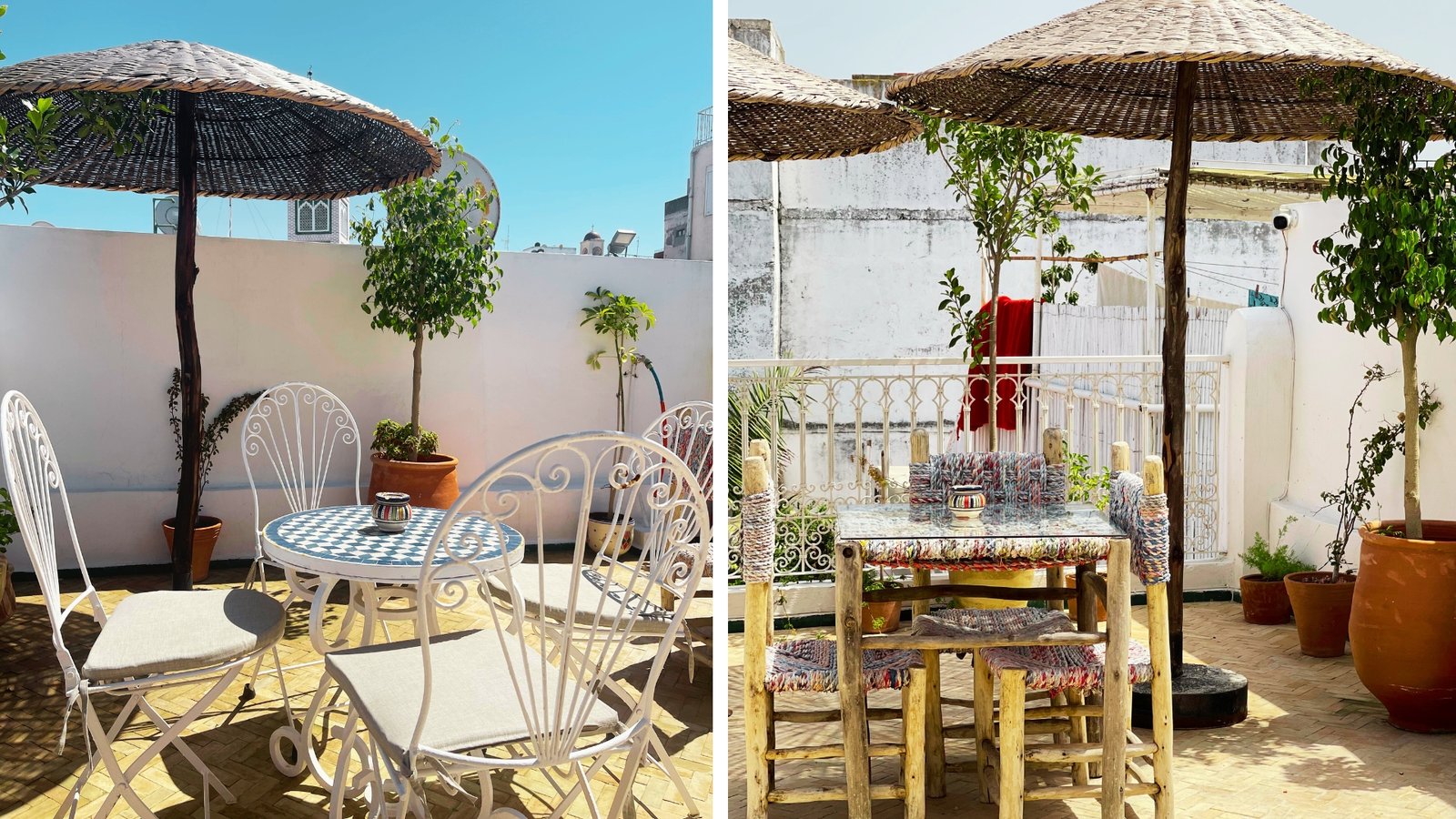
- Use Darija in Riad Sultana: Staying in the Kasbah Medina at Riad Sultana Tangier offers a warm, traditional setting to practice with staff and fellow travelers.
Exploring the Kasbah Medina: Where Culture and Language Meet
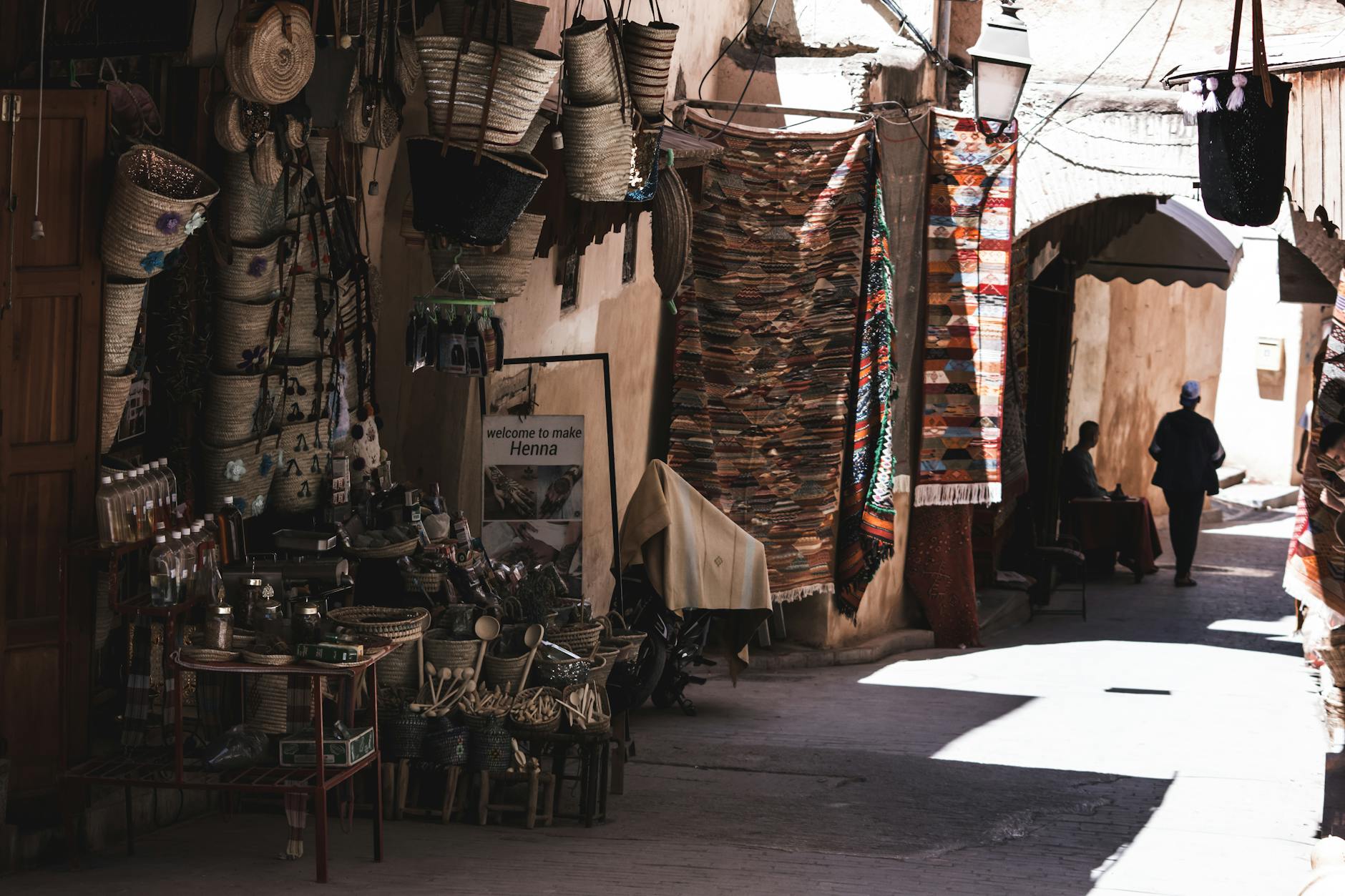
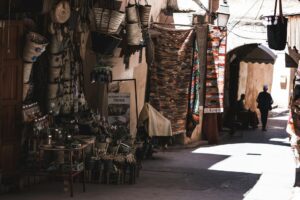
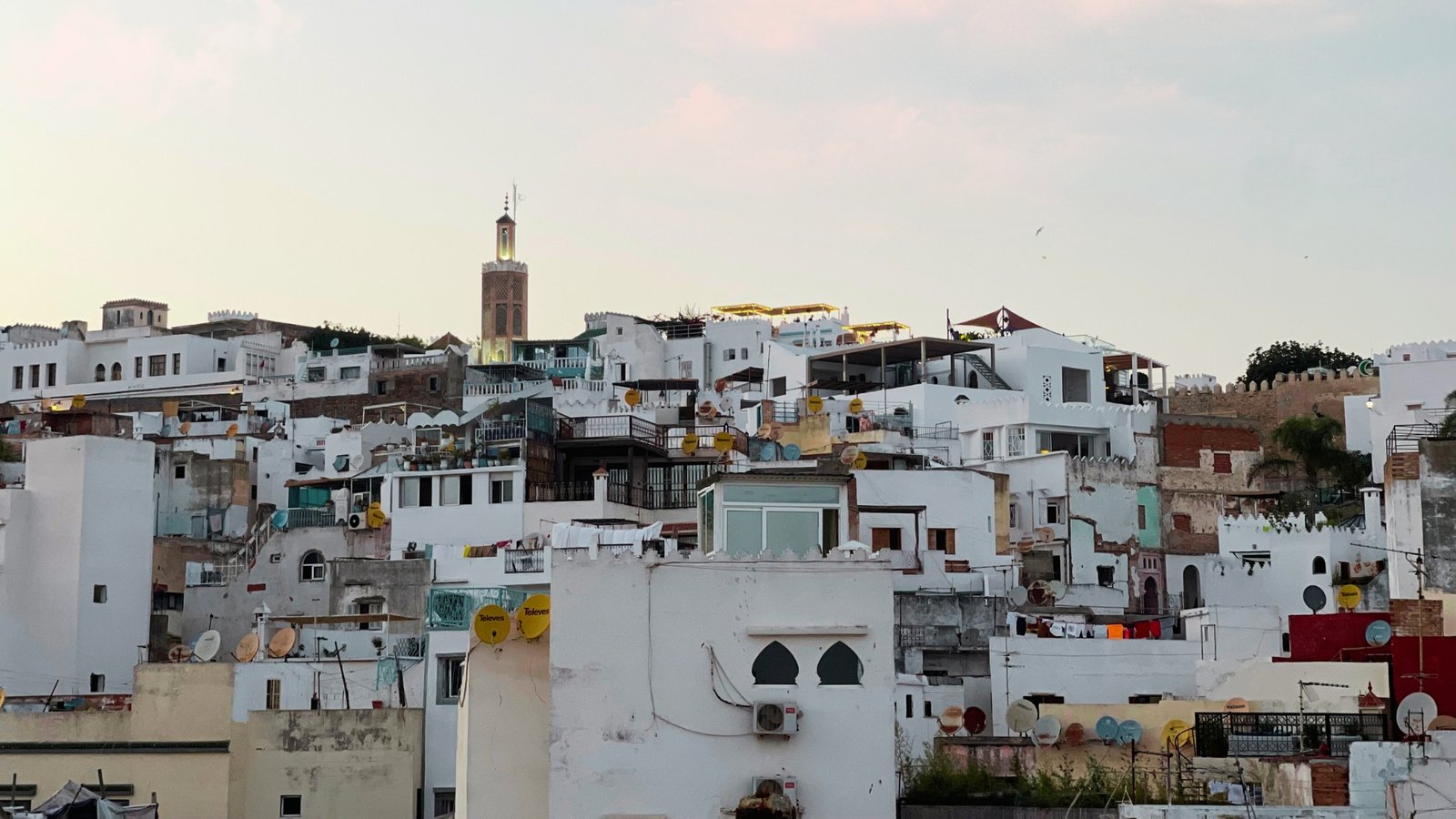
The Kasbah Medina in Tangier is a lively neighborhood where Moroccan traditions shine. Wandering its narrow alleys, you’ll hear Darija spoken in daily life—from shopkeepers to neighbors. Learning the top Moroccan Darija phrases here enhances your experience and makes interactions smoother and more meaningful.
For accommodations, Riad Sultana Tangier blends traditional Moroccan architecture with modern comforts, placing you right in the cultural epicenter. The atmosphere encourages cultural exchange, perfect for practicing your newfound phrases in a safe and charming environment.
Final Thoughts: Why Learning Moroccan Darija Enhances Your Trip
Knowing Moroccan Darija isn’t just about communication; it’s about respect and connection. When you say “Salam” or ask “Shhal taman?” you’re stepping into local life, creating memories beyond sightseeing.
Tangier and Northern Morocco are waiting to welcome you—not as a tourist—but as a traveler who respects and embraces their language and culture.
Frequently Asked Questions
1. How difficult is it to learn Moroccan Darija for a tourist?
Moroccan Darija can be challenging, especially its pronunciation and unique vocabulary, but learning basic phrases is manageable and highly rewarding for travelers.
2. Can I get by in Tangier without speaking any Darija?
Yes, many locals speak French or Spanish, especially in tourist areas, but speaking Darija enriches your experience and often leads to warmer interactions.
3. Are there any cultural customs tied to language use in Morocco?
Yes, greetings are very important; always initiate conversations with “Salam Alaykom” and use polite expressions such as “3afak” to show respect.