
Estimated reading time: 7 minutes
- Understanding the Moroccan dress code is essential for visiting mosques and the Medina in Tangier.
- Modesty is key, with clothes covering shoulders, knees, and midriff.
- Choosing appropriate accommodations enhances the cultural experience.
- Comfortable clothing and footwear are recommended for exploring Tangier.
- Respectful dressing fosters deeper cultural connections with locals.
Table of Contents
- Understanding the Moroccan Dress Code: Respect and Practicality
- Dressing for Visiting Mosques in Tangier
- Moroccan Dress Code for Exploring the Medina of Tangier
- Integrating Cultural Experience with a Memorable Stay: Riad Sultana Tangier
- Practical Packing Tips for Moroccan Dress Code Compliance
- Summary: Embrace the Moroccan Dress Code for a Respectful, Enjoyable Travel Experience
Understanding the Moroccan Dress Code: Respect and Practicality
Morocco is a predominantly Muslim country where traditional values influence daily life, especially in sacred and historical areas. While Tangier is relatively cosmopolitan and open to tourists, dressing respectfully remains fundamental, particularly when entering mosques or wandering through the Medina’s labyrinthine streets.
What is the Moroccan Dress Code?
The Moroccan dress code isn’t about strict rules but generally encourages modesty—clothing that covers shoulders, knees, and midriff. This approach demonstrates respect for religious sentiments and local traditions while helping travelers blend seamlessly into the surroundings.
Key dress code principles include:
- Covering shoulders and knees: Both men and women should avoid shorts, sleeveless tops, or mini skirts.
- Loose and breathable fabrics: Given Tangier’s Mediterranean climate, lightweight and comfortable clothes are preferred.
- No tight or revealing clothing: Opt for modest cuts that don’t draw undue attention.
- Headscarves for women in mosques: Women are usually required to cover their hair when entering mosque interiors.
- Respectful footwear: Closed or easy-to-remove shoes are practical, especially as mosque entrances often require shoe removal.
Dressing for Visiting Mosques in Tangier
Mosques are sacred spaces where religious practices are observed with reverence. Visitors often have access to specific mosques, but rules vary, so wearing suitable attire is vital.
Tips for Mosque Visits
- Long pants or skirts: Men should wear long trousers; women should avoid skirts above the ankle.
- Long sleeves: Both genders should opt for tops with long sleeves or at least cover shoulders with a scarf or shawl.
- Head covering for women: Carry a scarf to cover your hair inside the mosque.
- Avoid flashy or tight-fitting garments: Keep colors muted or neutral when possible.
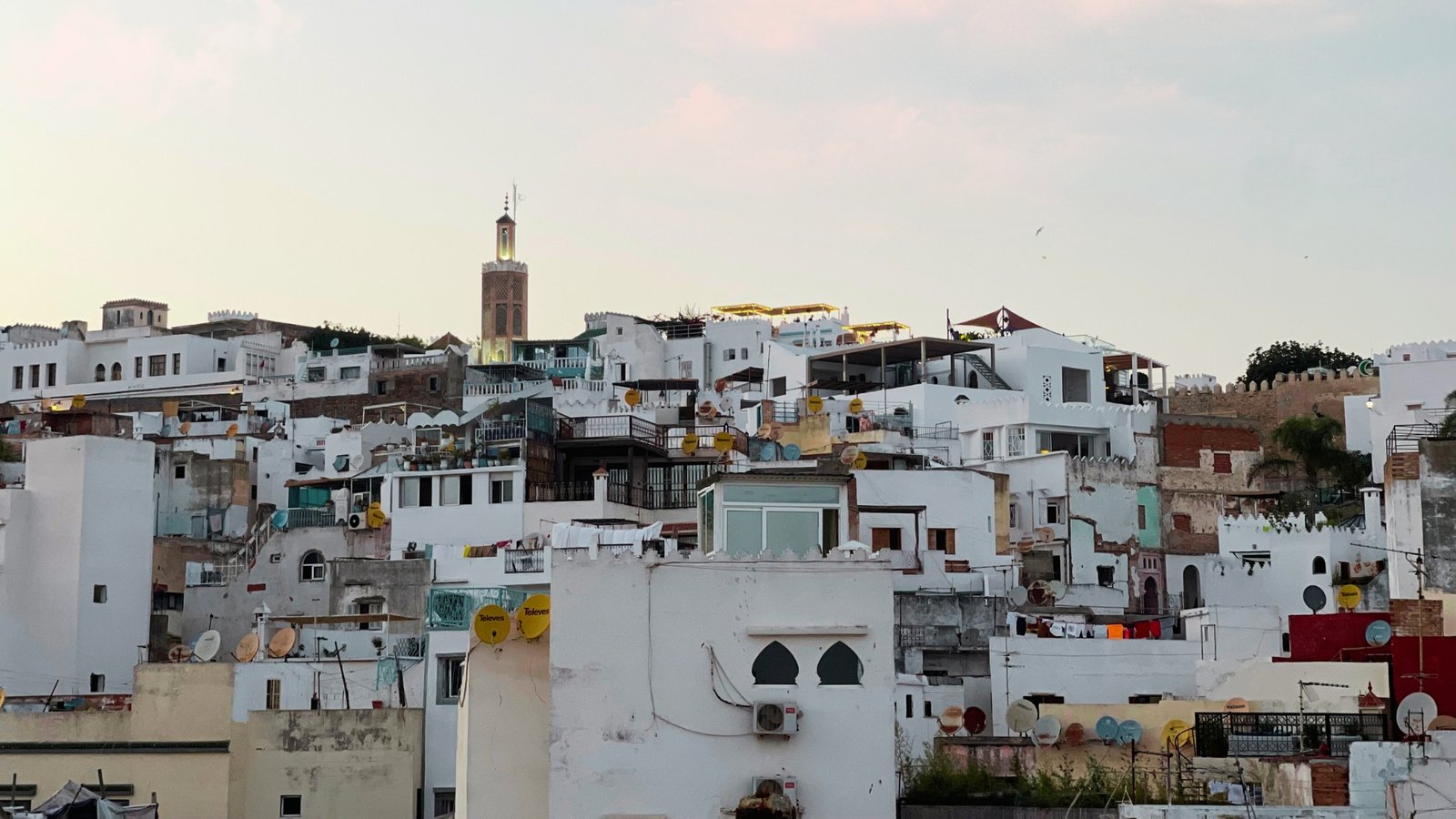
In Tangier, the Grand Mosque located near the Medina is one example where visitors should adhere to these standards to enjoy the architecture and atmosphere respectfully.
Moroccan Dress Code for Exploring the Medina of Tangier
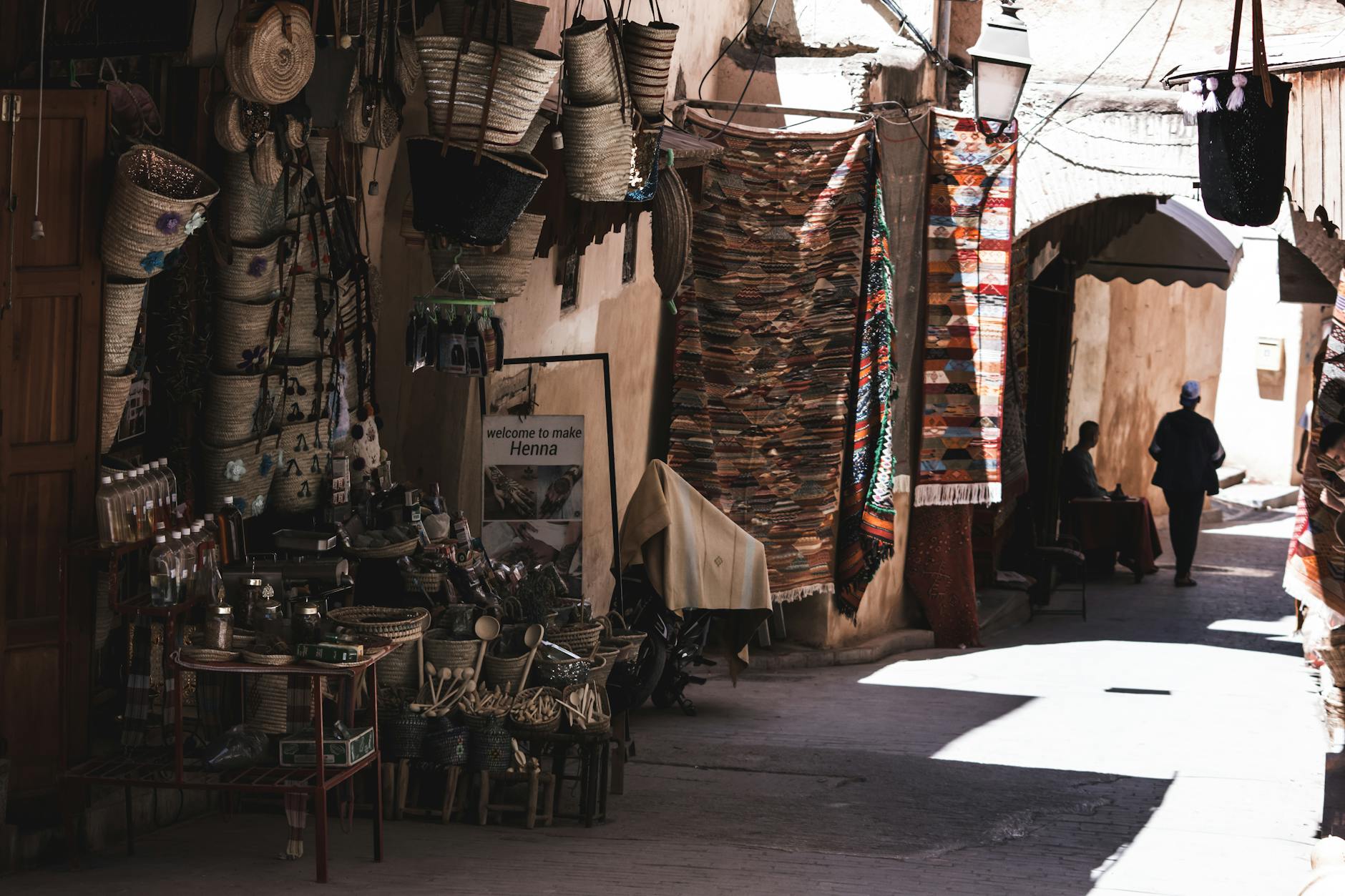
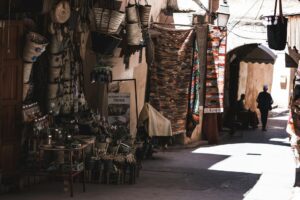
The Medina is the historic heart of Tangier, filled with bustling souks, narrow alleys, and endless cultural encounters. While the dress code here is slightly more relaxed compared to mosques, modesty still reflects respect.
Dressing Practical Yet Respectful for Medina Exploration
- Light layers: Tangier’s weather may vary, and layering helps adapt to changing temperatures inside crowded markets.
- Comfortable shoes: The Medina’s cobblestones require sturdy, comfortable footwear.
- Modest tops and pants: Avoid low-cut tops or shorts; long skirts or pants are preferred.
- Avoid excessive jewelry or flashy fashion: Keep your look simple to avoid unwanted attention.
By dressing conservatively yet comfortably, tourists benefit from a deeper immersion in Tangier’s culture and receive warm welcomes from locals.
Integrating Cultural Experience with a Memorable Stay: Riad Sultana Tangier
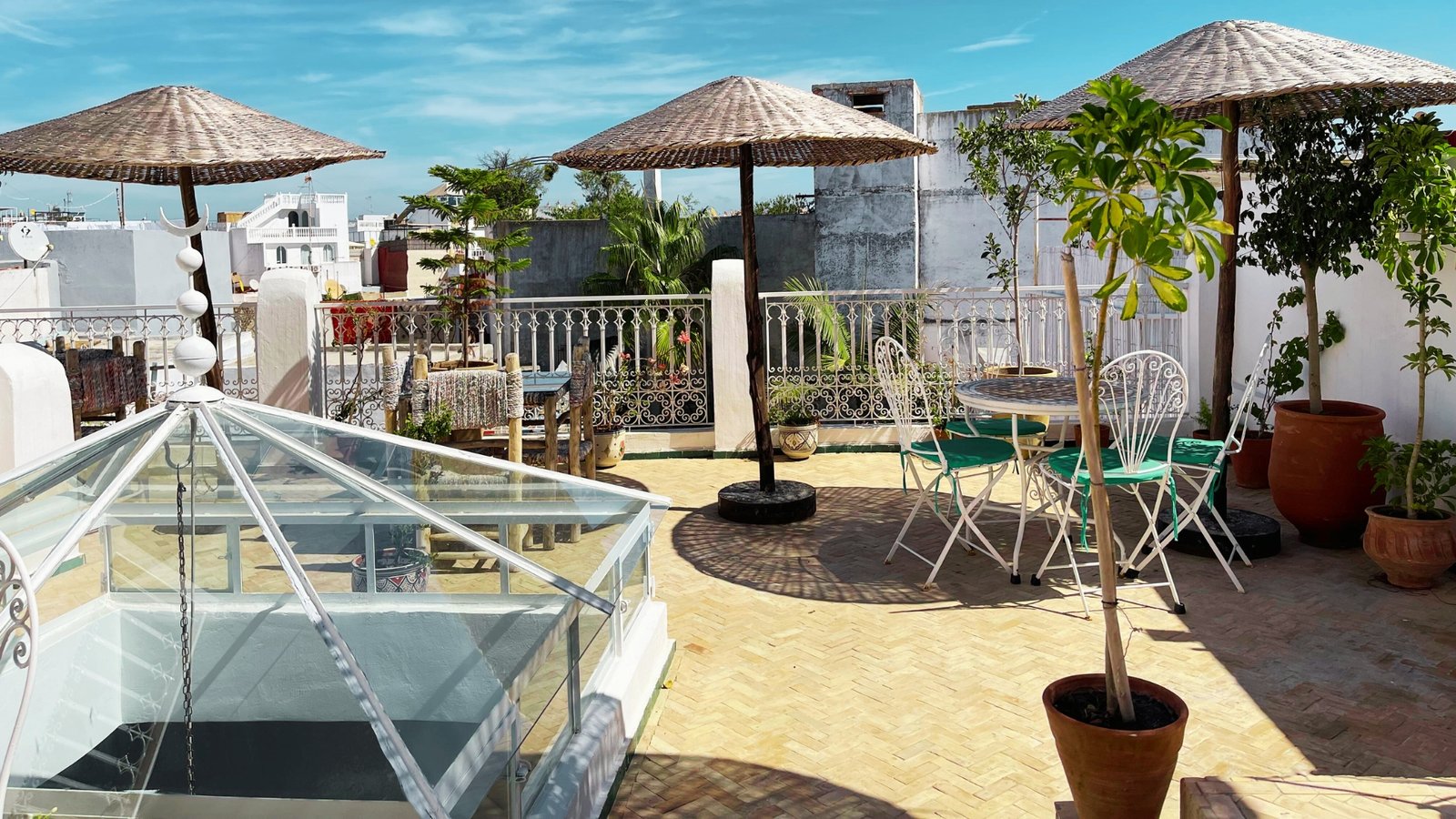
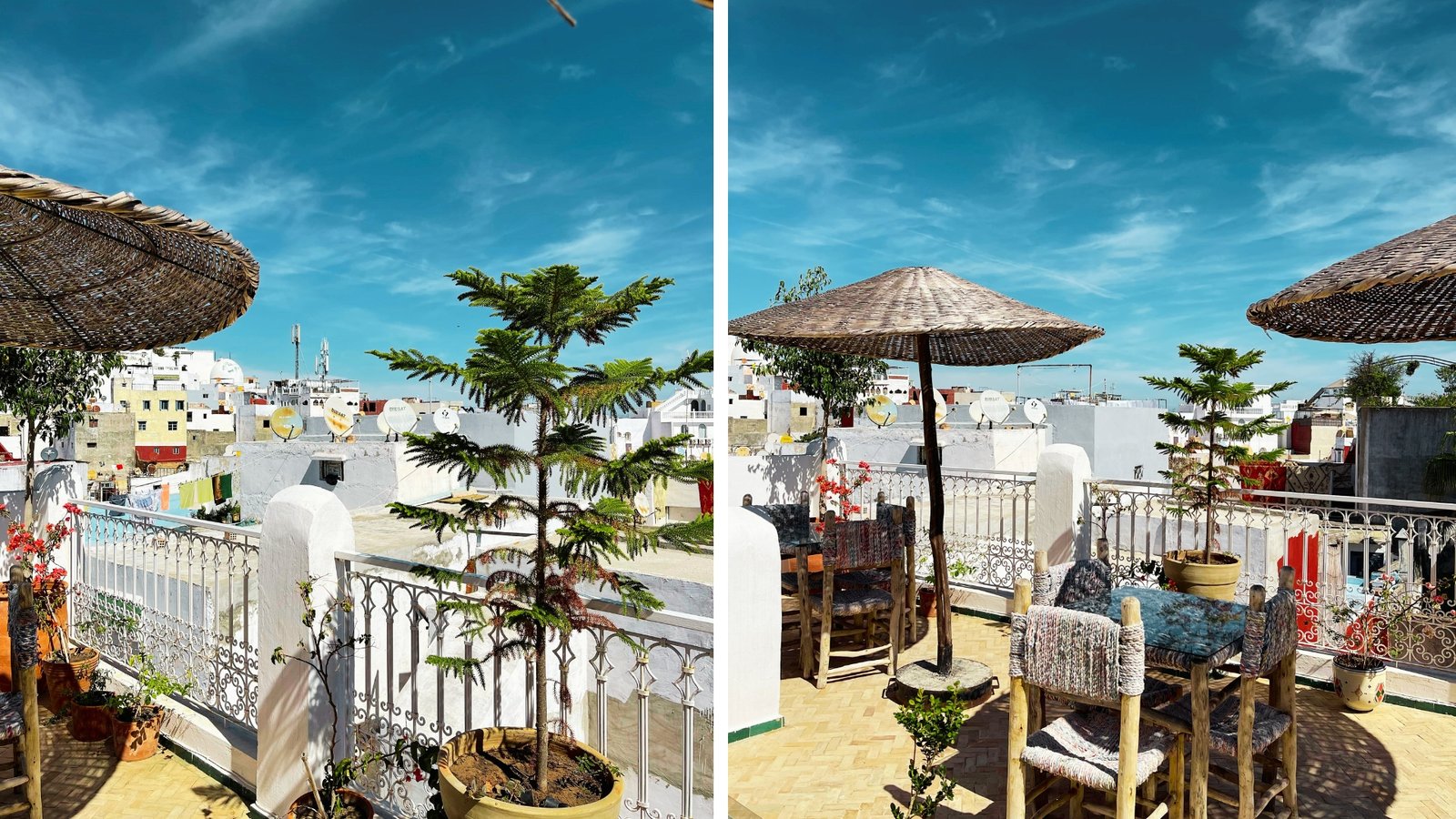
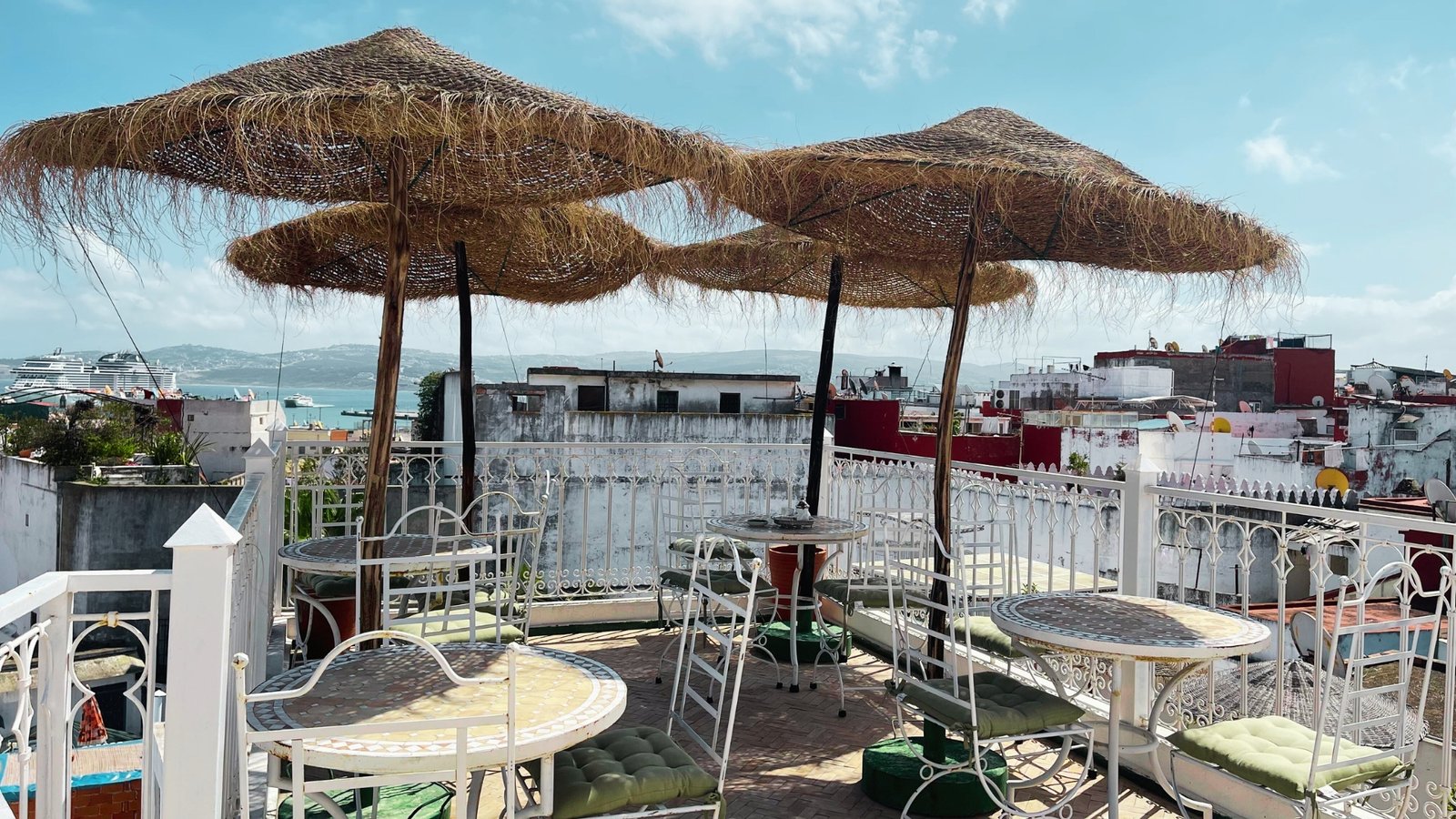
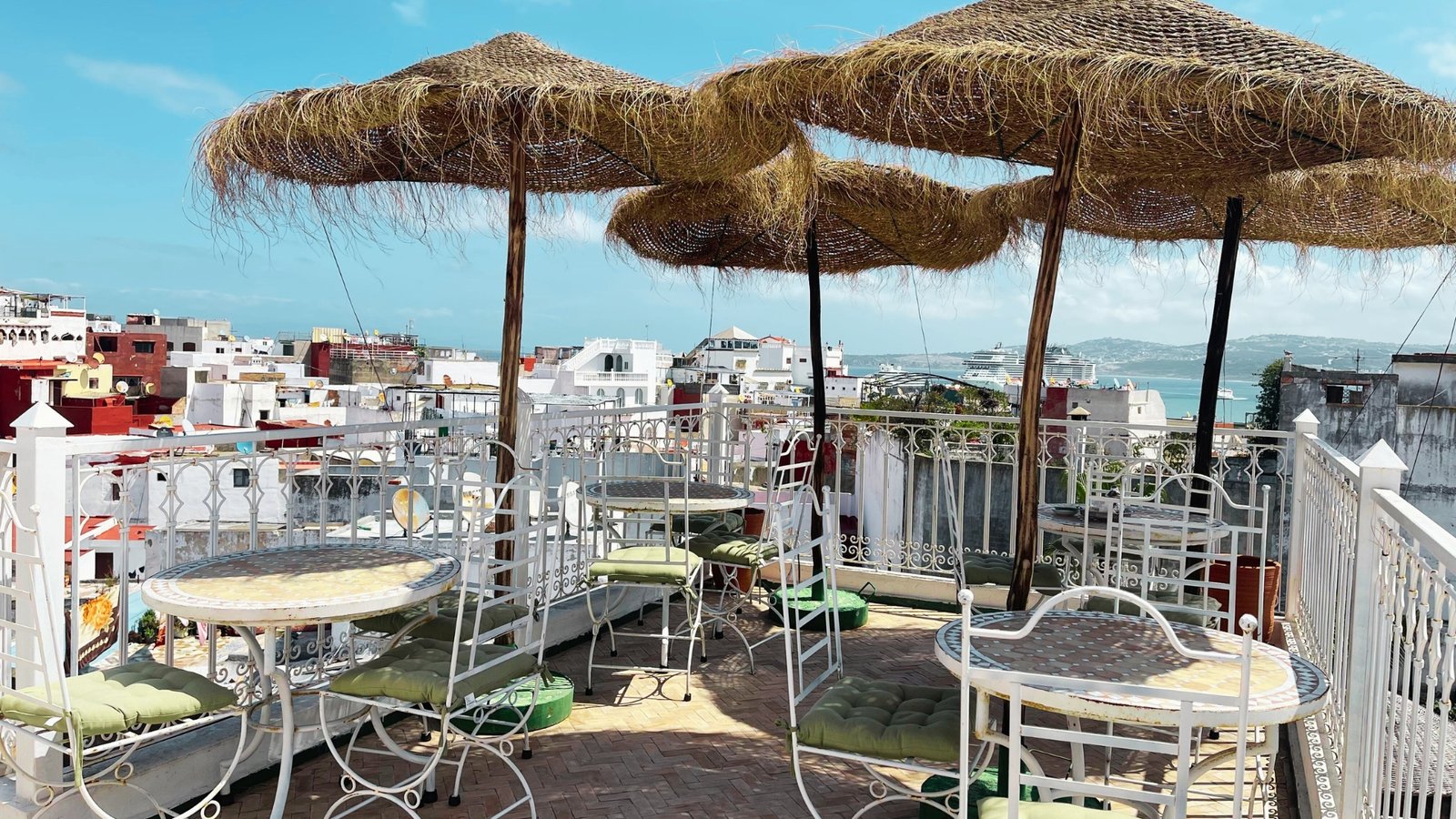
For travelers seeking to embrace Tangier’s authentic atmosphere, the Kasbah Medina district is ideal, where Riad Sultana Tangier offers a charming retreat. Staying in a traditional riad enhances your understanding of Moroccan culture beyond dress code, blending historic ambiance with modern comforts.
- The riad’s location within the Medina makes it easy to step out dressed respectfully and immerse yourself in both religious and commercial quarters.
- The staff at Riad Sultana can provide guidance on local customs, including appropriate dress and etiquette advice.
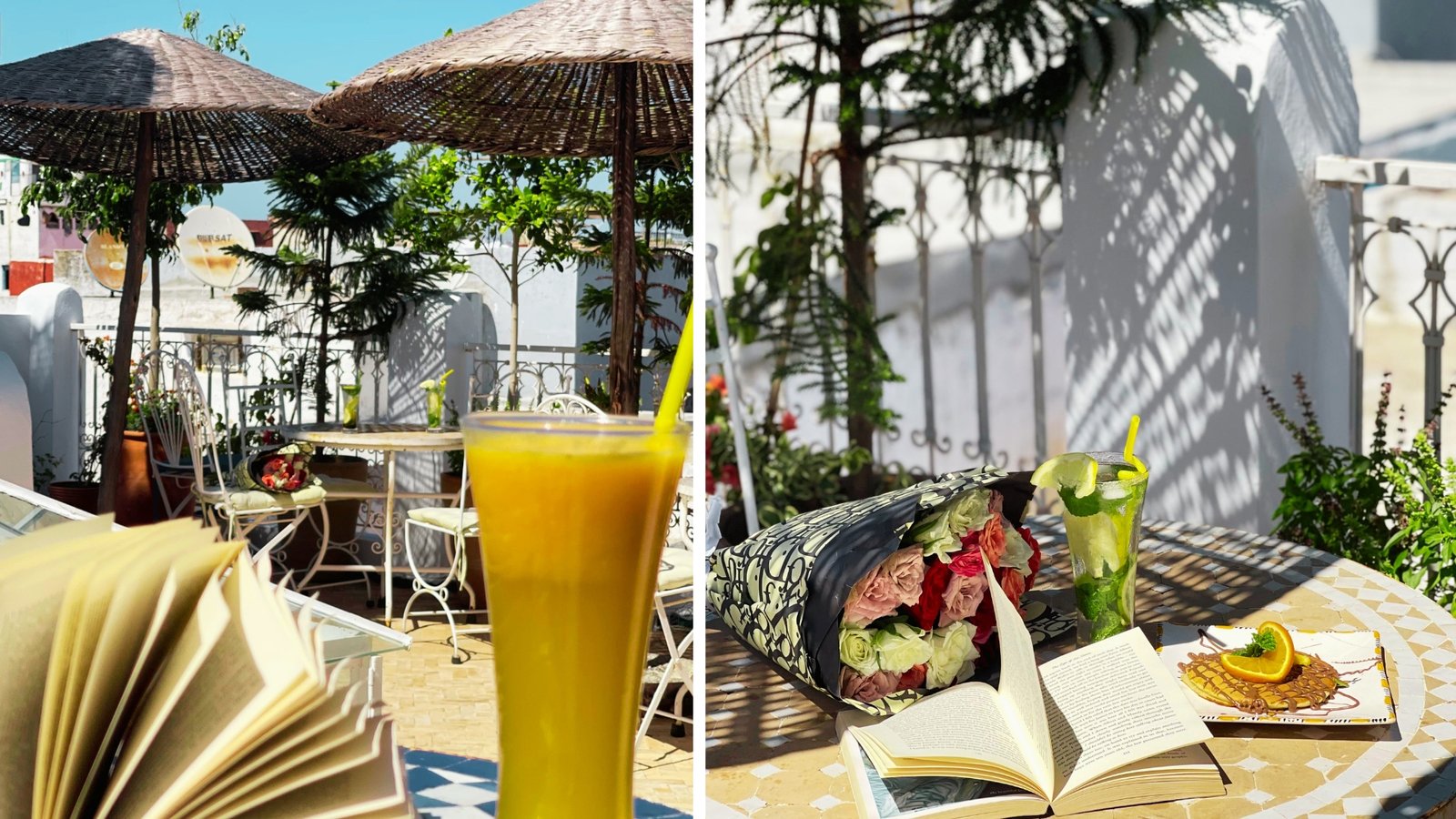
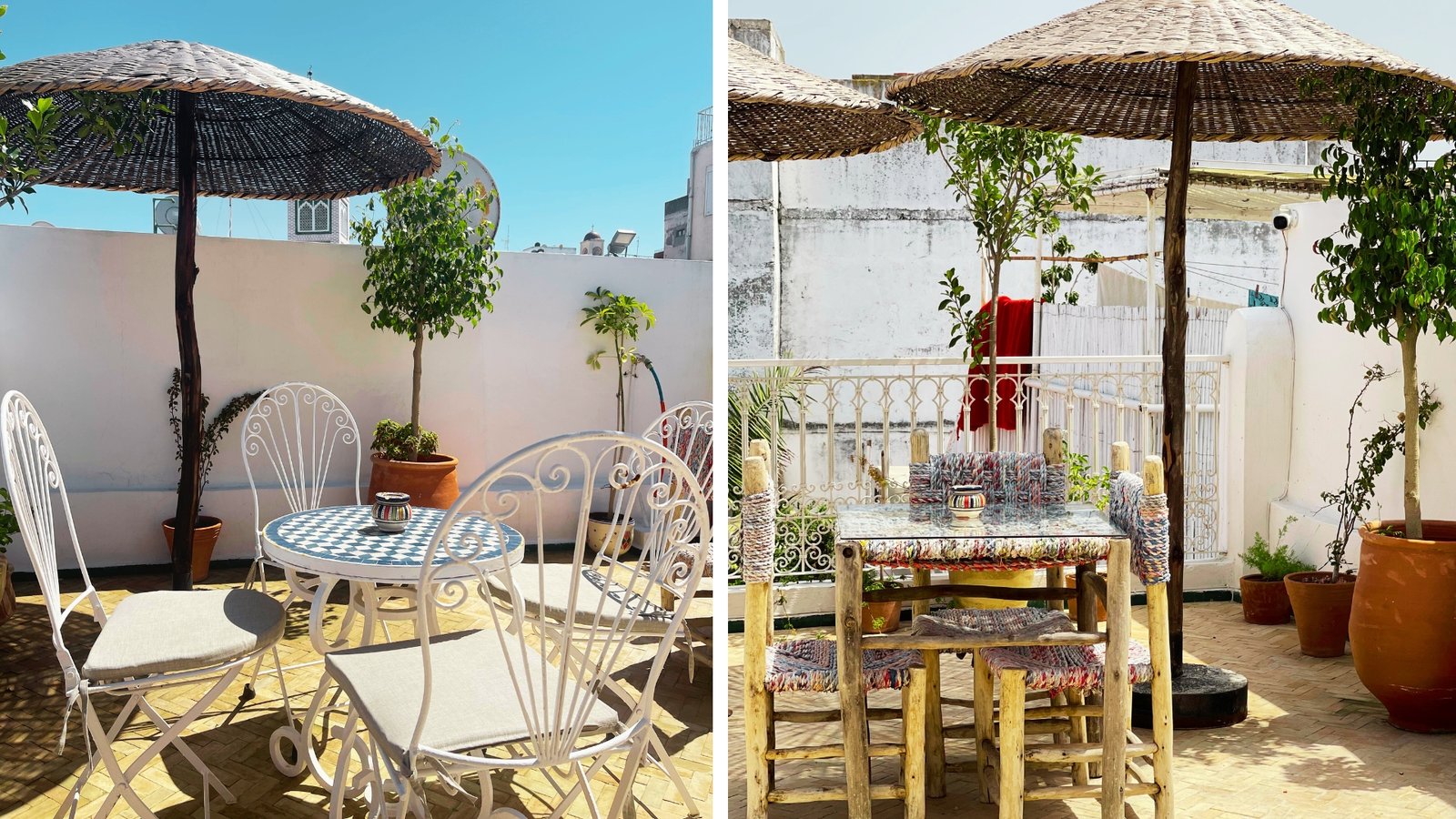
- After long days exploring the Medina and its mosques, returning to this peaceful guesthouse’s tranquil courtyard feels like a true cultural sanctuary.
Practical Packing Tips for Moroccan Dress Code Compliance
Before your trip to Tangier, consider these practical packing essentials:
- Lightweight scarves or shawls for women (and men, if desired) to cover shoulders or head.
- Breatheable long-sleeve shirts and blouses made from cotton or linen.
- Comfortable, closed-toe walking shoes for Medina exploration and mosque visits.
- Loose-fitting pants or long skirts to meet modesty norms.
- A small bag to carry any additional accessories like a hat or sunscreen.
Summary: Embrace the Moroccan Dress Code for a Respectful, Enjoyable Travel Experience
Adhering to the Moroccan dress code when visiting mosques and the Medina in Tangier is key to showing respect and ensuring a comfortable, immersive journey. Modesty, comfort, and practicality should guide your wardrobe choices. Combining this cultural awareness with a stay at Riad Sultana Tangier enriches your experience, connecting you with the city’s timeless charm from a safe and authentic base.
Frequently Asked Questions (FAQs)
- Is it mandatory for women to wear a headscarf when visiting mosques in Tangier?
While it is usually expected for women to cover their hair inside mosques, some allow visitors to wear scarves or shawls provided at the entrance. Carrying your own headscarf is advisable. - Can tourists wear Western-style clothing in Tangier’s Medina?
Tourists can wear Western clothing but should opt for modest and respectful attire—covering shoulders and knees is recommended to respect local customs. - What is the best time of year to visit Tangier considering Moroccan dress code comfort?
Spring (April to June) and autumn (September to October) offer mild days perfect for layered clothing, aligning well with Moroccan dress code requirements.