
Understanding and Experiencing the Famous Hospitality Culture of Morocco
Estimated reading time: 6 minutes
- Moroccan hospitality blends warmth, generosity, and cultural richness.
- Key customs include tea ceremonies and sharing meals.
- Engaging respectfully with locals enhances your travel experience.
- Staying at a riad, like Riad Sultana Tangier, provides authentic immersion.
- Understanding the roots of hospitality enriches your connection to Moroccan culture.
Table of Contents
- The Heart of Moroccan Hospitality: What Makes It So Special?
- Experiencing Moroccan Hospitality: Tips for Travelers
- Moroccan Hospitality in Modern Travel Accommodation: Why Staying at a Riad is Essential
- Unpacking the Cultural Roots of Moroccan Hospitality
- Celebrating Moroccan Hospitality Through Festivals and Social Life
- Practical Travel Tips: How to Navigate Moroccan Hospitality in Tangier
- Why Moroccan Hospitality Makes Morocco a Destination Like No Other
- Final Thoughts: Embrace Moroccan Hospitality with Riad Sultana Tangier
The Heart of Moroccan Hospitality: What Makes It So Special?
Moroccan hospitality is much more than politeness or courtesy—it is a profound cultural code based on respect, generosity, and welcoming strangers as an honor. Rooted in the Islamic principle of welcoming guests, hospitality in Morocco is deeply engrained in social norms and family traditions.
Historically, travelers crossing the vast deserts and rugged mountains of Morocco were often far from home and vulnerable to hardships. The culture of open doors and open hearts developed as a survival mechanism but evolved into an art form that continues to define Moroccan society even today.
Key Characteristics of Moroccan Hospitality
- Warmth and Generosity: Moroccans take pride in making guests feel treasured, often offering the best housing, food, and comfort available.
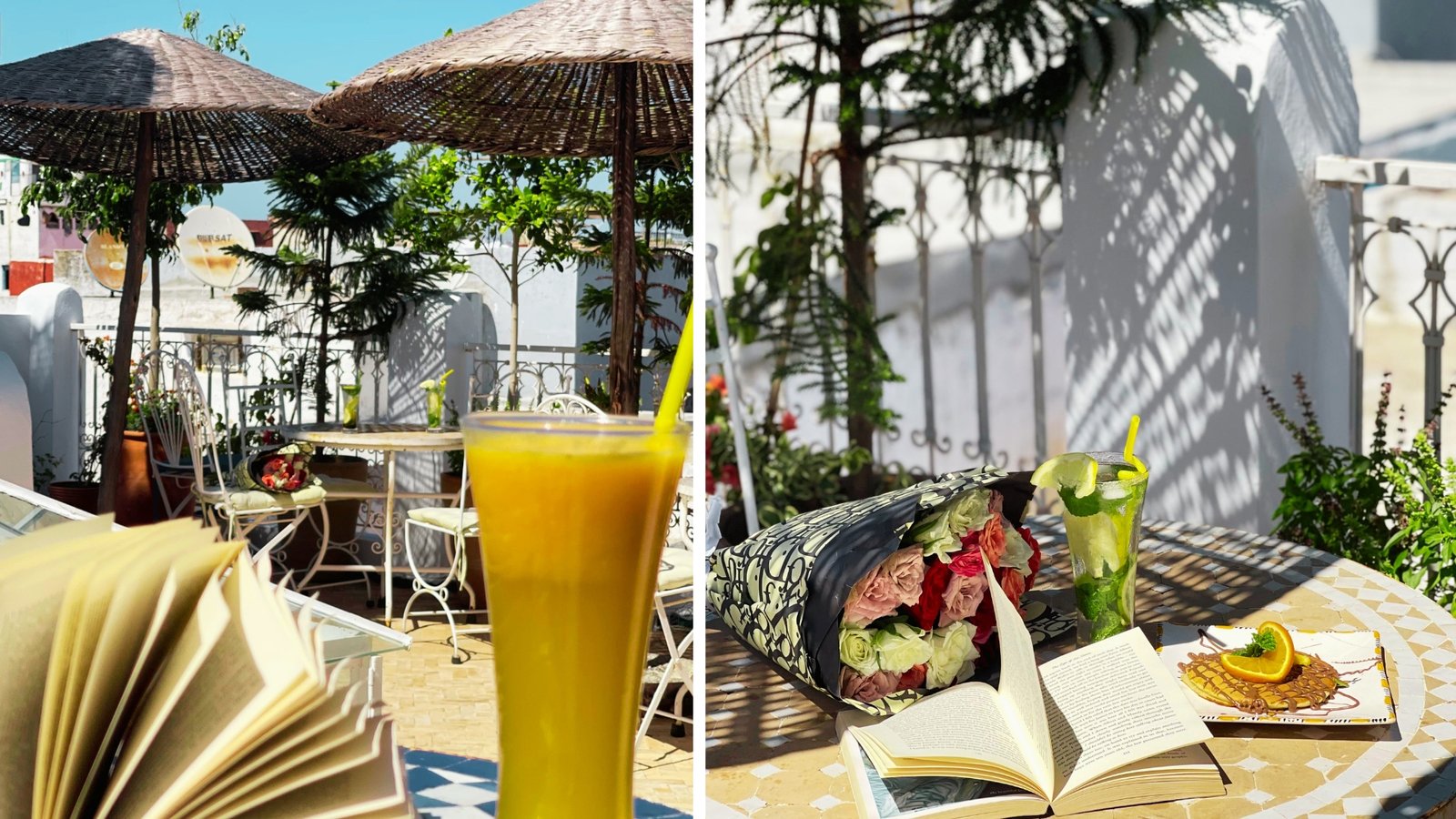
- Tea Ceremonies: Serving sweet mint tea is more than just a refreshment; it is a ceremonious gesture that symbolizes friendship and trust.
- Sharing Food: Inviting guests to partake in traditional meals such as tagine, couscous, or pastilla is a sign of acceptance and respect.
- Respect for Guests: Guests are regarded almost as family members, and their needs are anticipated with great care.
- Storytelling and Conversation: Engaging with guests through stories and meaningful conversations forms an essential diplomatic and social bridge.
Experiencing Moroccan Hospitality: Tips for Travelers
To truly appreciate Moroccan hospitality, it is helpful to understand how to approach this cultural nuance respectfully and with an open heart. Here are some valuable tips for travelers eager to engage authentically with Moroccan hosts:
1. Learn Basic Arabic or French Greetings
While Morocco has many local dialects, learning simple greetings in Arabic (Darija) or French offers an immediate connection and shows respect. Phrases like “Salam Alaikum” (Peace be upon you) or “Shukran” (Thank you) can open many doors.
2. Accept Invitations Graciously
In Morocco, being invited to someone’s home for tea or a meal is a profound compliment. Even if your schedule feels tight, consider carving out time to accept invitations whenever possible, as they are gateways to genuine cultural exchange.
3. Be Respectful of Cultural Norms
Dress modestly and always show respect for religious and social customs. When entering homes, removing shoes or washing hands may be required as a sign of cleanliness and respect.
4. Appreciate the Tea Ritual
If offered Moroccan mint tea, accept it graciously and take your time sipping it. The tea ceremony is symbolic of friendship and hospitality, and participating fully enhances the experience.
5. Engage in Conversations
Moroccans are known for their warmth in conversation. Share stories and ask about their culture—this mutual curiosity strengthens bonds.
Moroccan Hospitality in Modern Travel Accommodation: Why Staying at a Riad is Essential
To genuinely experience Moroccan hospitality, accommodations must reflect the heart and soul of local culture. This is why staying in a traditional riad—an ornate Moroccan house built around a central courtyard—is among the best choices for visitors.
Introducing Riad Sultana Tangier: Your Gateway to Authentic Moroccan Hospitality
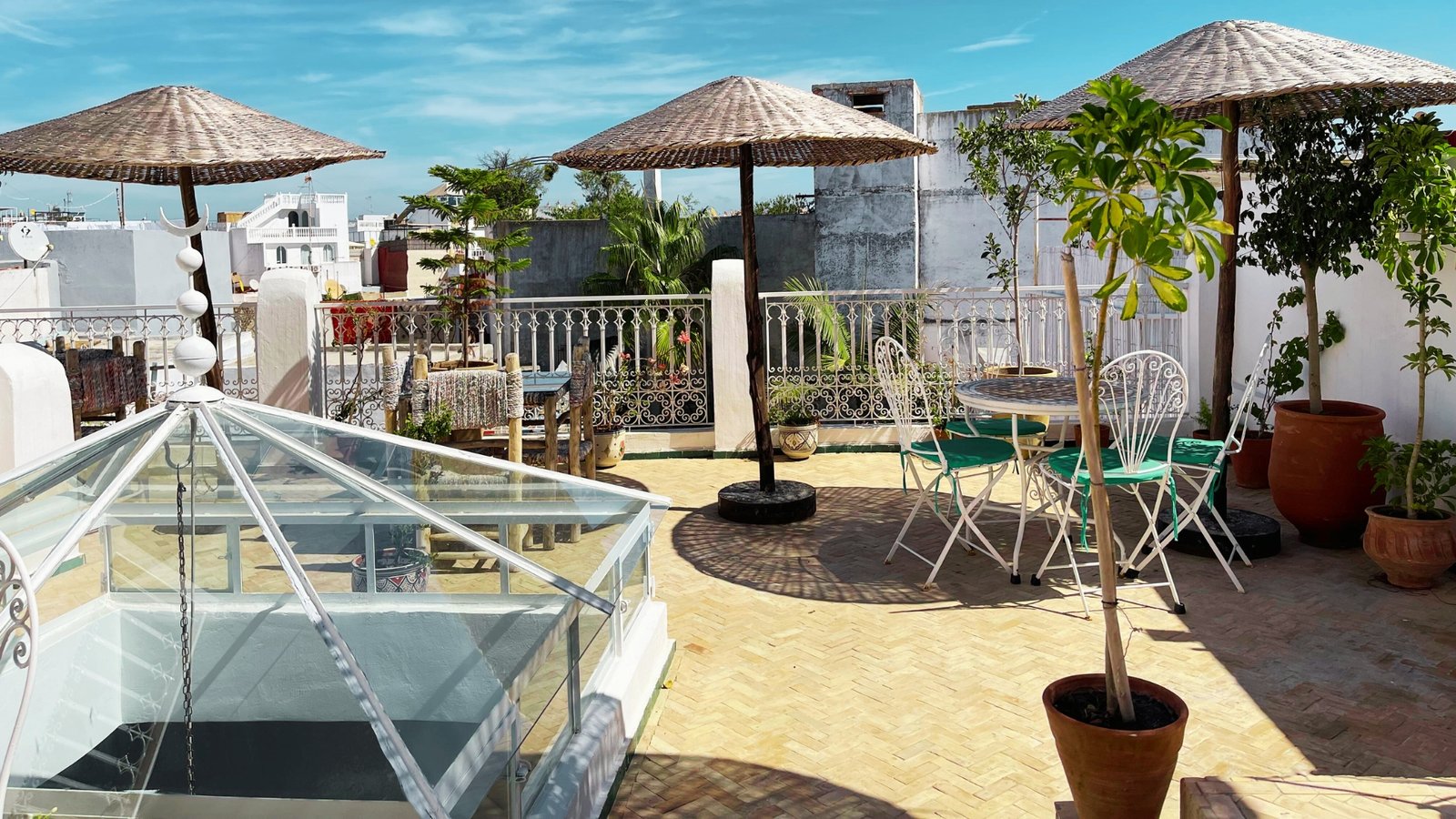
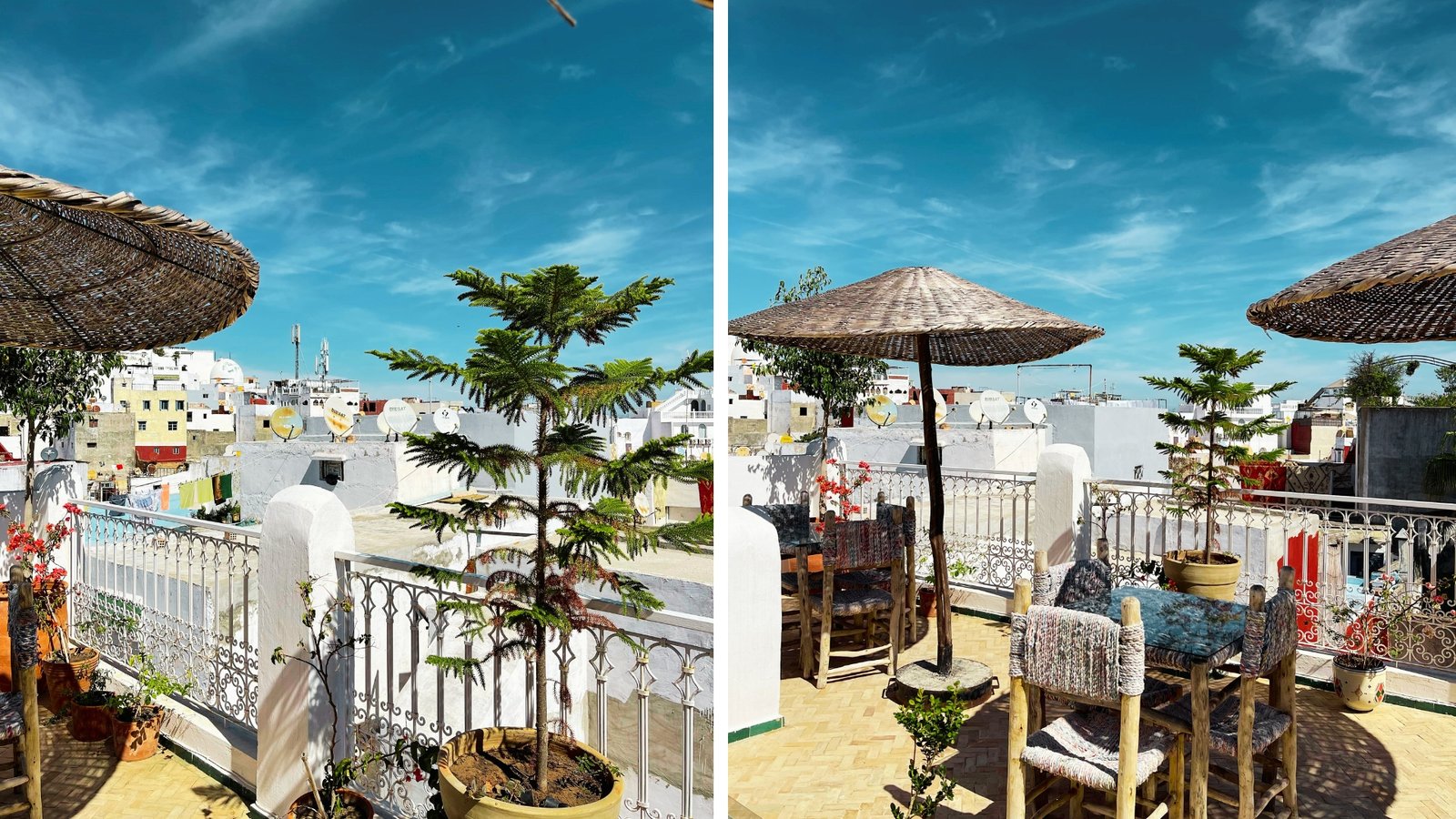
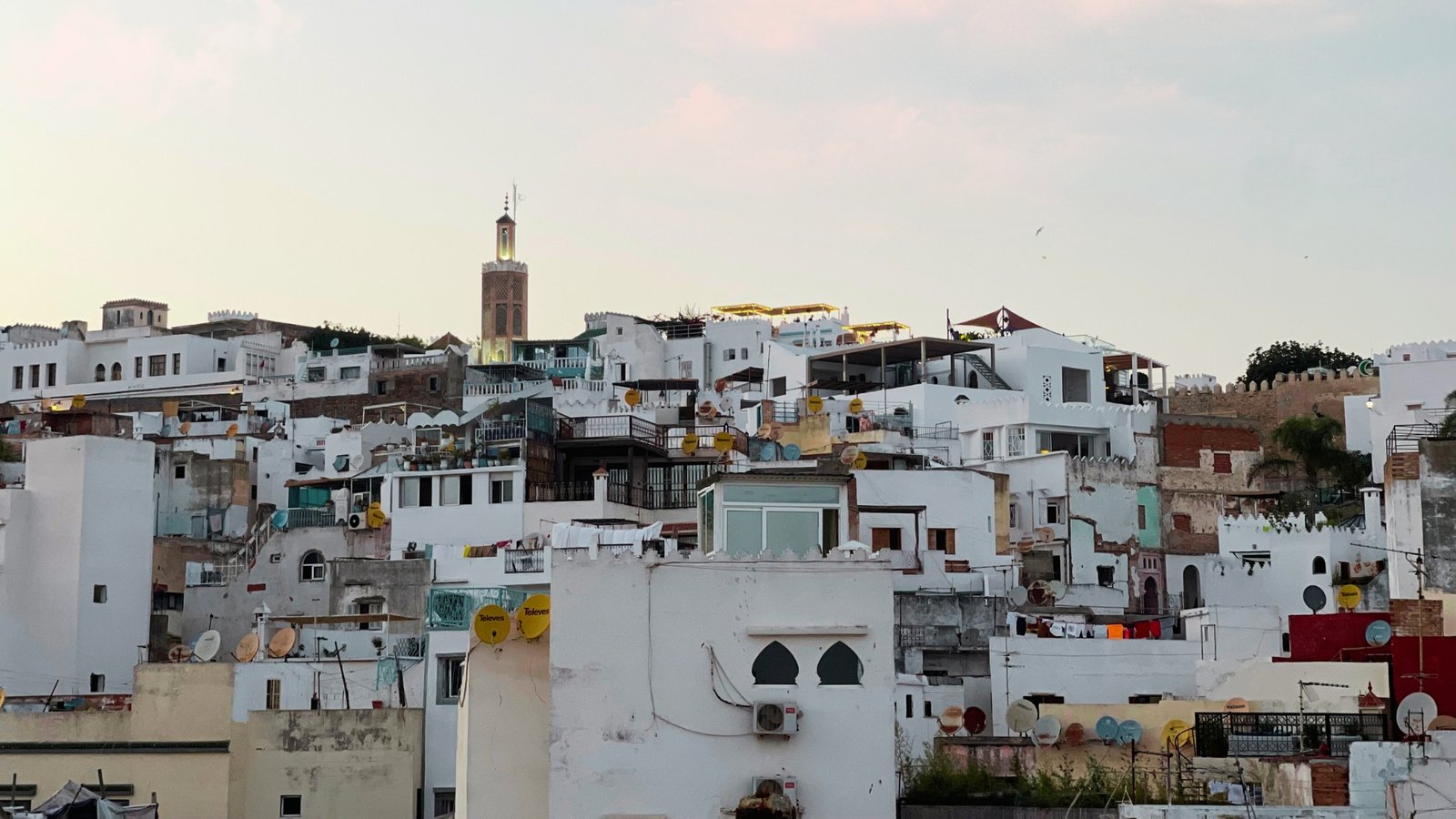
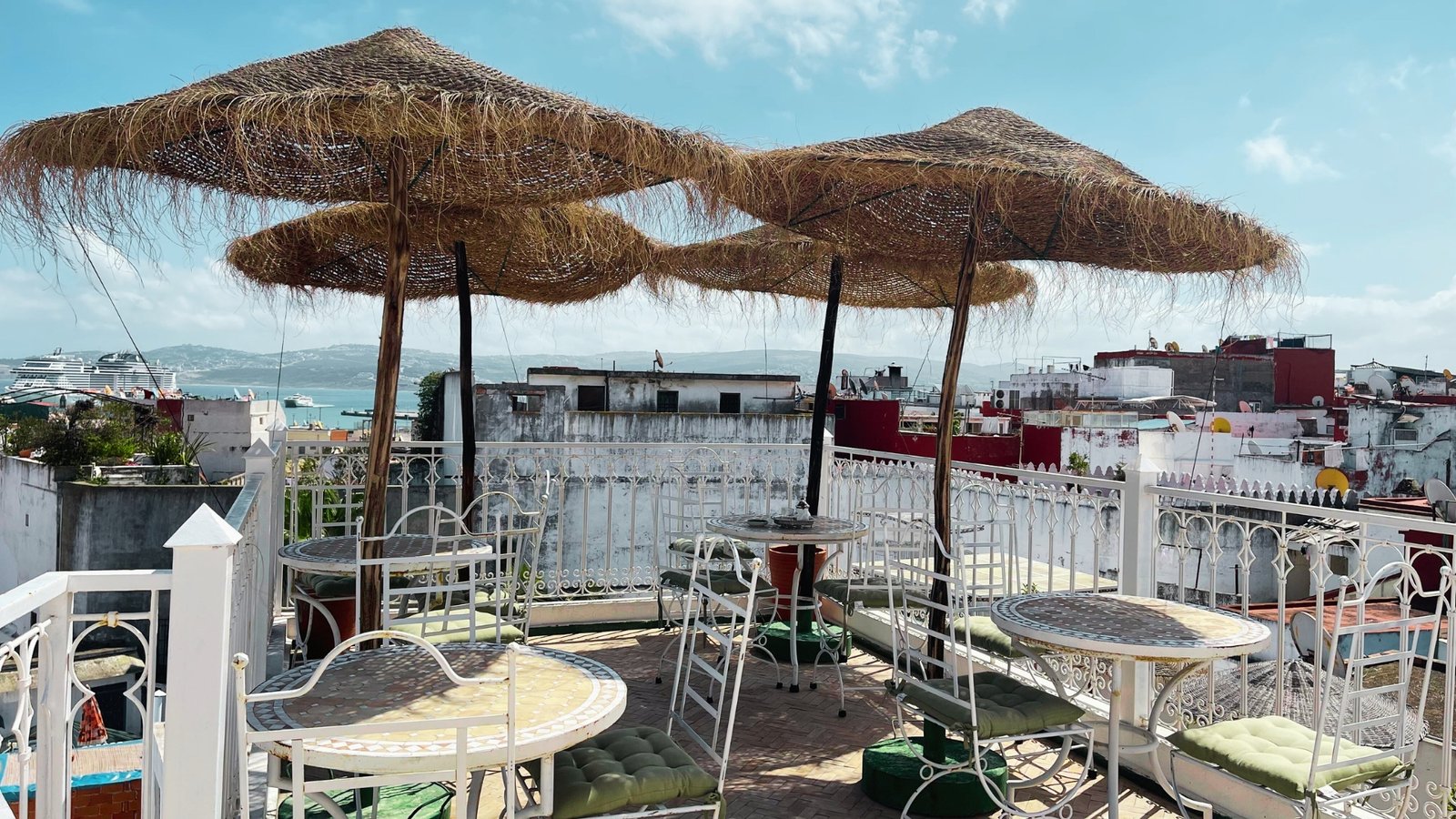
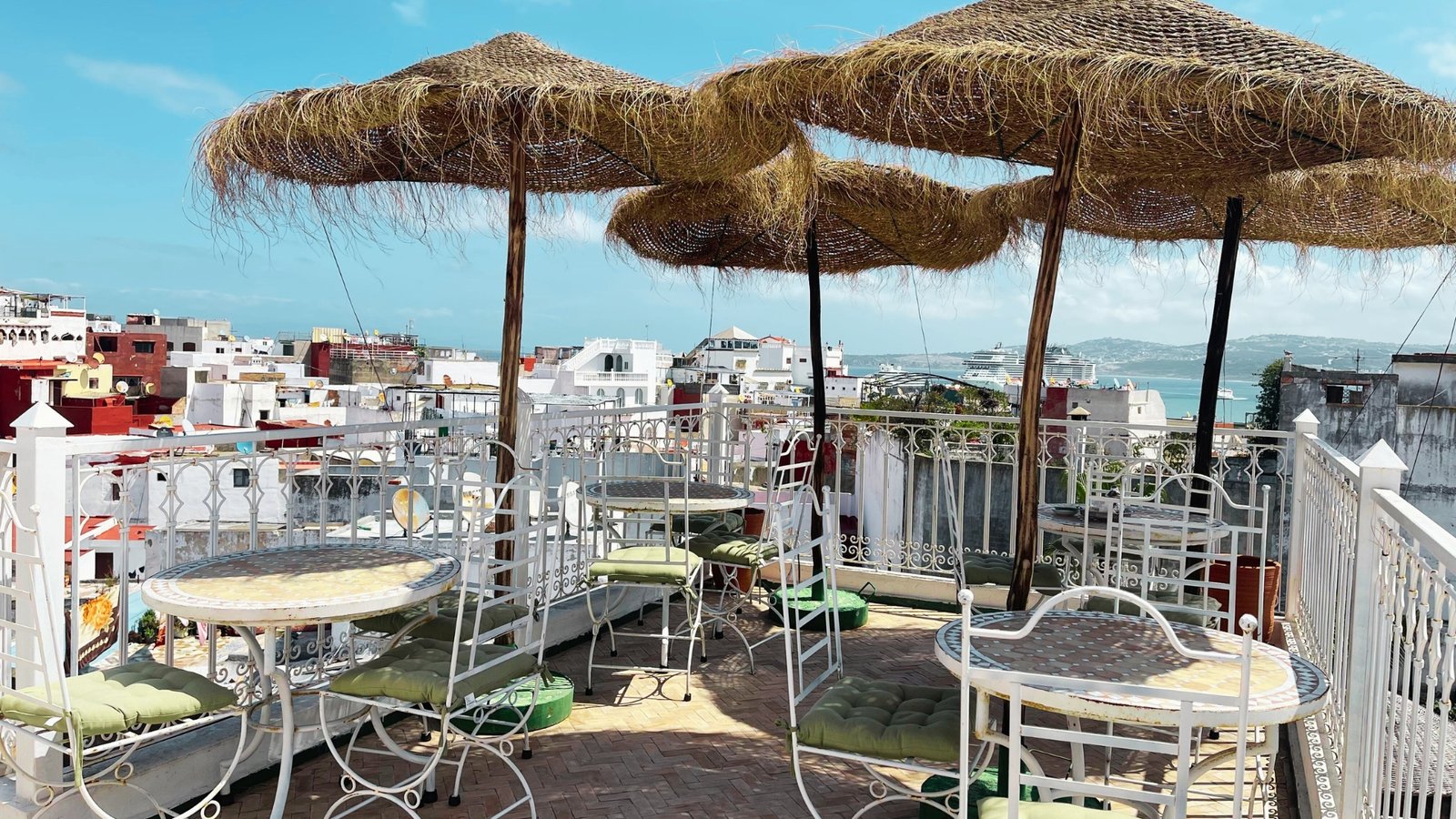
Nestled in the historic medina of Tangier, Riad Sultana Tangier offers an unparalleled experience where the legendary Moroccan hospitality comes to life. From the moment you step through its beautifully carved wooden doors, you enter a world where ancient traditions blend seamlessly with modern comfort.
- A Warm Welcome: The staff at Riad Sultana Tangier dedicate themselves to making guests feel like family. From personalized greetings to thoughtful amenities, your comfort and happiness are their priority.
- Authentic Culinary Experiences: Enjoy traditional Moroccan dishes prepared with fresh local ingredients, served in the cozy courtyard where you can savor the magic of the evening in a truly authentic setting.
- Cultural Immersion: The riad offers tailored cultural experiences including guided tours, Moroccan cooking classes, and tea ceremonies hosted onsite. This ensures you not only see the sites but live the culture.
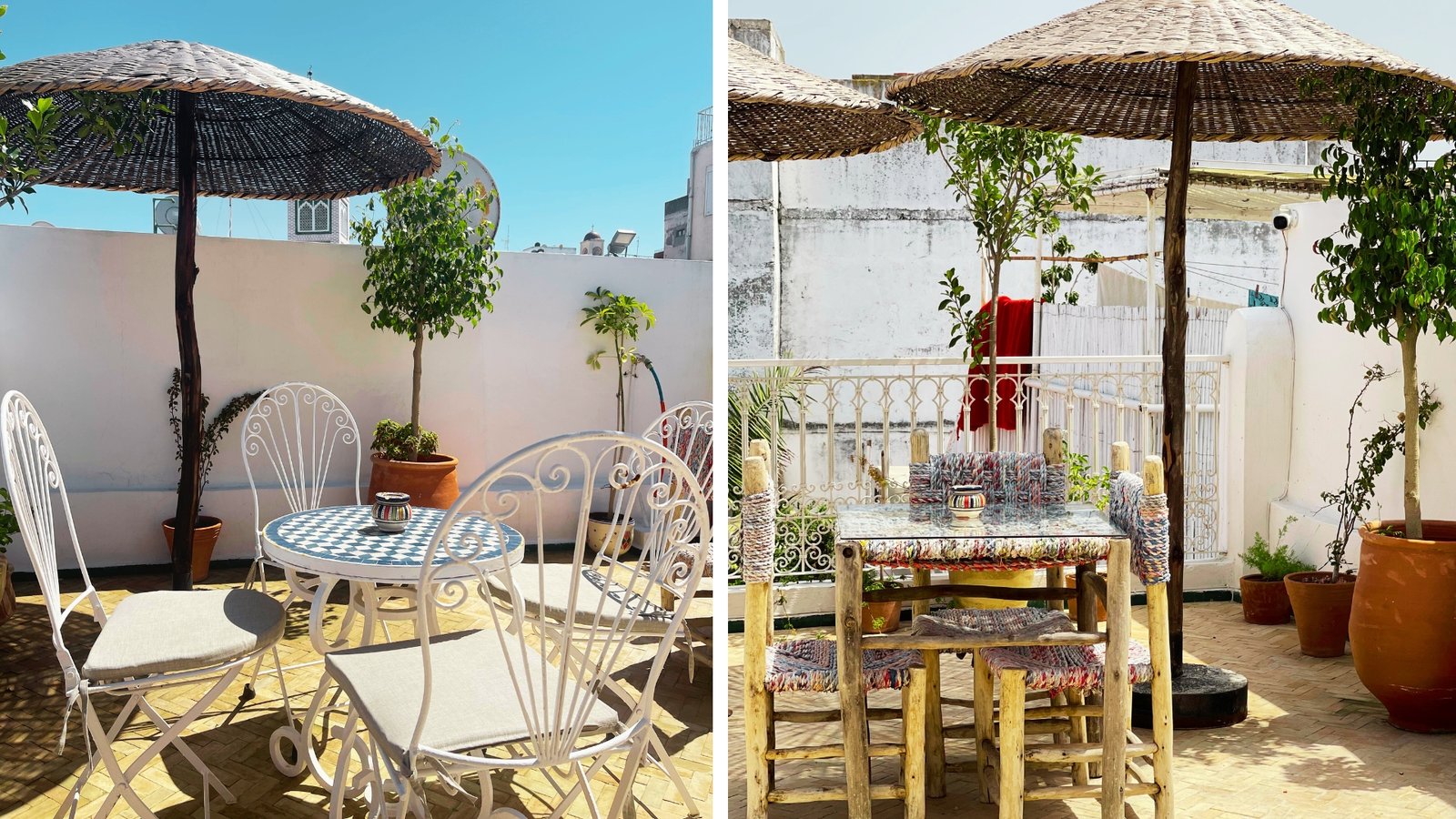
- Elegant Yet Traditional Accommodations: Each room combines traditional Moroccan decor with modern amenities, offering a peaceful retreat after a day of exploration.
Choosing Riad Sultana Tangier guarantees that your experience of Moroccan hospitality goes beyond surface-level; it becomes a part of your travel story. Discover all that this exquisite riad offers by visiting their official website here: Riad Sultana Tangier.
Unpacking the Cultural Roots of Moroccan Hospitality
To understand Moroccan hospitality fully, one must examine the cultural and religious influences that shape it.
Islamic Influence
Islam emphasizes the significance of caring for travelers and visitors. The Quran speaks highly of charity, kindness, and the virtues of treating guests with honor. In Morocco, these tenets manifest vividly in everyday behaviors, strengthening social ties.
Tribal and Berber Traditions
The indigenous Berber populations of Morocco have long held hospitality as a sacred duty. Tribal customs encourage sharing food and shelter without expecting anything in return, exemplifying a spirit of altruism.
Family and Communal Living
Moroccan households are often multi-generational, with a pronounced communal lifestyle. This collective ethos fosters a natural tendency towards generosity that spills over to guests and strangers.
Celebrating Moroccan Hospitality Through Festivals and Social Life
Moroccan hospitality is not limited to private homes. It extends into the public sphere through festivals, weddings, and religious celebrations, where sharing and welcoming guests are central themes.
The Role of Food and Drink
Communal meals during festivals, featuring sharing plates of couscous, tagines, and sweets, reflect the Moroccan spirit of hospitality. Mint tea is ubiquitous, served from ornate silver teapots in rhythmic pourings that froth the tea—a spectacle itself.
Wedding Ceremonies
Celebrating a marriage in Morocco is a lavish affair marked by music, dance, and continuous sharing of food and drink. Guests often feel like part of an extended family, embraced by warmth and generosity.
Practical Travel Tips: How to Navigate Moroccan Hospitality in Tangier
If you plan to visit Tangier, the northern port city that blends European and Moroccan influences, keep these pointers in mind:
- Stay Central to Experience Authenticity: The medina is the cultural heart. Staying in a riad here, such as Riad Sultana Tangier, allows easy access to markets, historical sites, and charming cafes.
- Be Open to Spontaneous Invitations: Moroccans are naturally friendly, so be prepared for unexpected invitations to tea or conversations that enrich your visit.
- Learn Non-Verbal Cues: Modest gestures such as offering your right hand or nodding respectfully go a long way.
- Time Your Visits: Afternoon is often reserved for rest in Moroccan houses, so mornings and evenings are better for social visits.
Why Moroccan Hospitality Makes Morocco a Destination Like No Other
The warmth of Moroccan hospitality transforms Morocco from a mere travel destination to a heartfelt experience. It fosters connections that transcend language, geography, and time—offering travelers stories, memories, and friendships that last a lifetime.
By understanding and embracing the nuances of Moroccan hospitality, visitors unlock a dimension of travel that goes beyond sightseeing—immersing themselves wholly in the culture, history, and soul of this magnificent country.
Final Thoughts: Embrace Moroccan Hospitality with Riad Sultana Tangier
When seeking the ultimate Moroccan hospitality experience, your accommodation choice significantly influences your journey. Riad Sultana Tangier encapsulates the essence of Moroccan generosity, culture, and comfort, making it the perfect home base for your adventures.
From its intimate setting in the heart of Tangier’s medina to its dedicated and passionate staff, Riad Sultana transforms every stay into an unforgettable cultural immersion. Book your stay today and experience firsthand the warmth that makes Moroccan hospitality legendary.
Discover more and plan your visit here: https://www.riadsultana.ma/.
FAQ
Q: What is Moroccan hospitality based on?
A: Moroccan hospitality is based on principles of respect, generosity, and the Islamic tradition of honoring guests.
Q: How can I respectfully engage with Moroccans?
A: Learning basic greetings, accepting invitations, and showing respect for cultural norms enhance your experience.
Q: What accommodations reflect Moroccan hospitality?
A: Staying in a riad, like Riad Sultana Tangier, offers authentic cultural experiences and a warm atmosphere.
Q: Why are tea ceremonies important in Moroccan culture?
A: Tea ceremonies symbolize friendship and are an integral part of Moroccan hospitality, showcasing the country’s welcoming nature.
Q: How can I navigate social interactions in Tangier?
A: Be open to spontaneous invitations and understand the social customs regarding modesty and respect.