

Estimated reading time: 5 minutes
- Explore Tangier’s rich Spanish heritage and influence.
- Visit the iconic Gran Teatro Cervantes in the historic Kasbah Medina.
- Experience architectural beauty combining Spanish and Moorish design.
- Discover local gastronomy and cultural events linked to Spanish history.
- Plan a visit with practical tips to enhance your experience.
Table of contents
- Understanding the Spanish Heritage in Tangier
- The Gran Teatro Cervantes: Location and Historical Significance
- Why Visit the Gran Teatro Cervantes in Tangier?
- Practical Tips for Visiting the Gran Teatro Cervantes
- Where to Stay Near the Gran Teatro Cervantes for an Authentic Experience
- Frequently Asked Questions (FAQs)
Understanding the Spanish Heritage in Tangier
Tangier’s Spanish heritage dates back to periods of Spanish control and influence, especially during the early 20th century when northern Morocco fell under Spanish protectorate administration. This era left behind a rich architectural and cultural imprint that complements the city’s Arab and French influences.
- Architecture: Spanish colonial style is visible in various buildings around Tangier, including theaters, government offices, and private villas featuring Mediterranean balconies, mosaics, and vibrant tiles.
- Cuisine: Spanish flavors have influenced local gastronomy, with dishes like tapas-style appetizers and seafood preparations common in local eateries.
- Language: Spanish remains widely spoken and understood in Northern Morocco, especially in Tangier, alongside Arabic and French.
Among the emblematic remnants of this heritage is the Gran Teatro Cervantes, a stunning theatre built in 1913. It symbolizes the blend of cultural traditions and artistic aspirations inspired by Spanish influences during the protectorate period.
The Gran Teatro Cervantes: Location and Historical Significance
A Cultural Gem in the Heart of Tangier
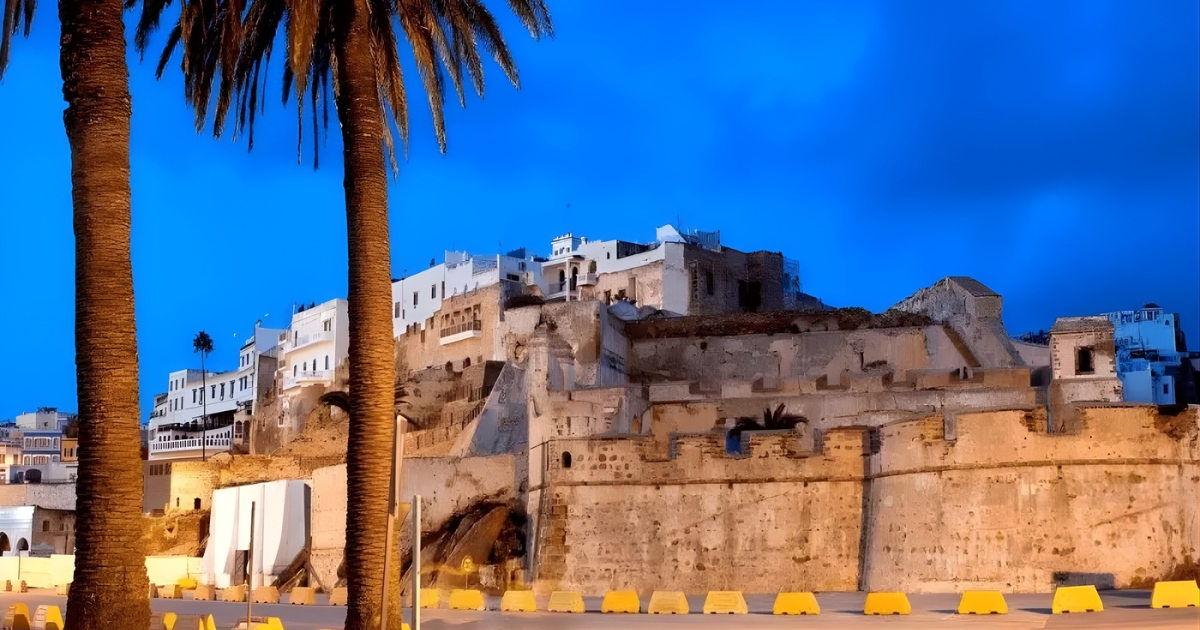
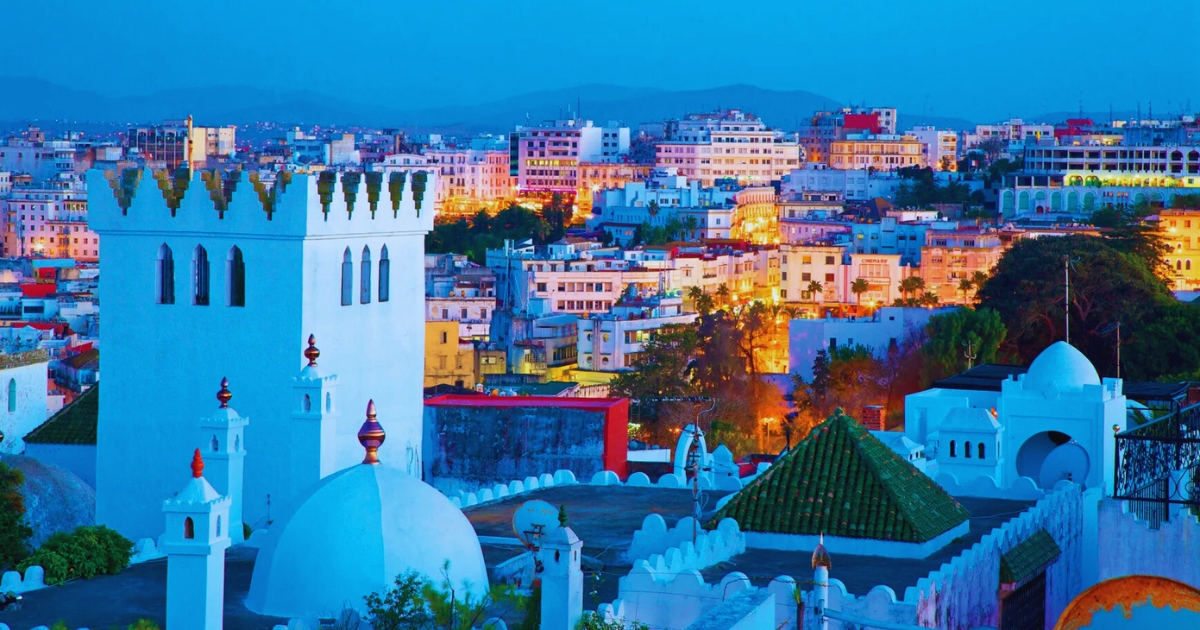
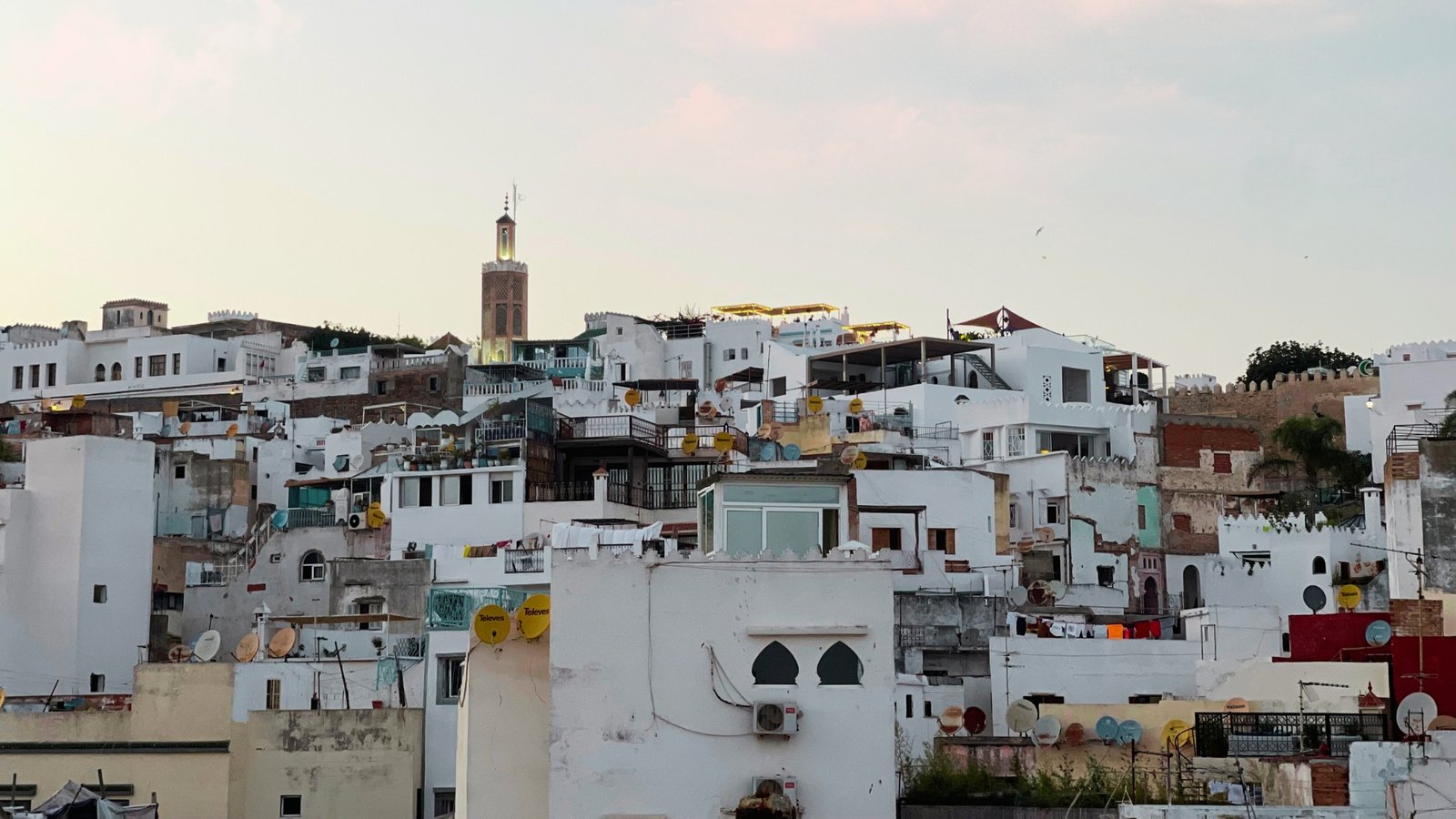
The Gran Teatro Cervantes is strategically located in the Kasbah Medina, Tangier’s ancient walled city, an area known for its labyrinthine streets, traditional souks, and panoramic views of the Atlantic Ocean.
- Address: Nestled centrally in the Kasbah, near the Kasbah Museum and the Bendahara palace, the theatre is easy to reach on foot from many key sites.
- Historical Context: Built as a symbol of Spanish cultural pride, the theatre was Toulouse-inspired but designed with Moroccan motifs, creating an eclectic aesthetic unique to Tangier.
- Role: Over the decades, it hosted plays, concerts, and cultural events that bridged Spanish and Moroccan communities.
Despite periods of decline and neglect during the later 20th century, recent restoration efforts have aimed to revive the Gran Teatro Cervantes as a vibrant cultural venue, underscoring its importance in Tangier’s urban and cultural fabric.
Why Visit the Gran Teatro Cervantes in Tangier?
Visiting the Gran Teatro Cervantes offers more than a glimpse into Spanish-era architecture; it is a portal into Tangier’s layered history and multicultural identity.
What You Can Expect
- Architectural Beauty: The building’s elaborate facades, detailed tilework, and ornate interiors reflect a mix of Spanish Renaissance and Moorish design.
- Cultural Events: Depending on the season, the theatre occasionally hosts exhibitions, performances, or guided tours offering firsthand insights into its heritage.
- Photographic Opportunities: The theatre’s setting in the Kasbah provides stunning backdrops combining historical architecture and vibrant local life.
For travelers seeking an immersive cultural experience, pairing a visit to the Gran Teatro Cervantes with a day exploring the Kasbah’s narrow streets, crafts markets, and nearby museums enhances the journey into Tangier’s past.
Practical Tips for Visiting the Gran Teatro Cervantes
- Best Time to Visit: Morning or late afternoon to avoid midday heat and enjoy softer lighting for photography.
- Guided Tours: Join a local guide to fully appreciate the theatre’s history and architectural nuances.
- Combining Attractions: The Kasbah area also boasts the Kasbah Museum and the Sultan’s Palace, making it easy to plan a half-day cultural itinerary.
- Safety: The Kasbah Medina is safe for tourists; however, be mindful of narrow alleys and keep belongings secure.
Where to Stay Near the Gran Teatro Cervantes for an Authentic Experience
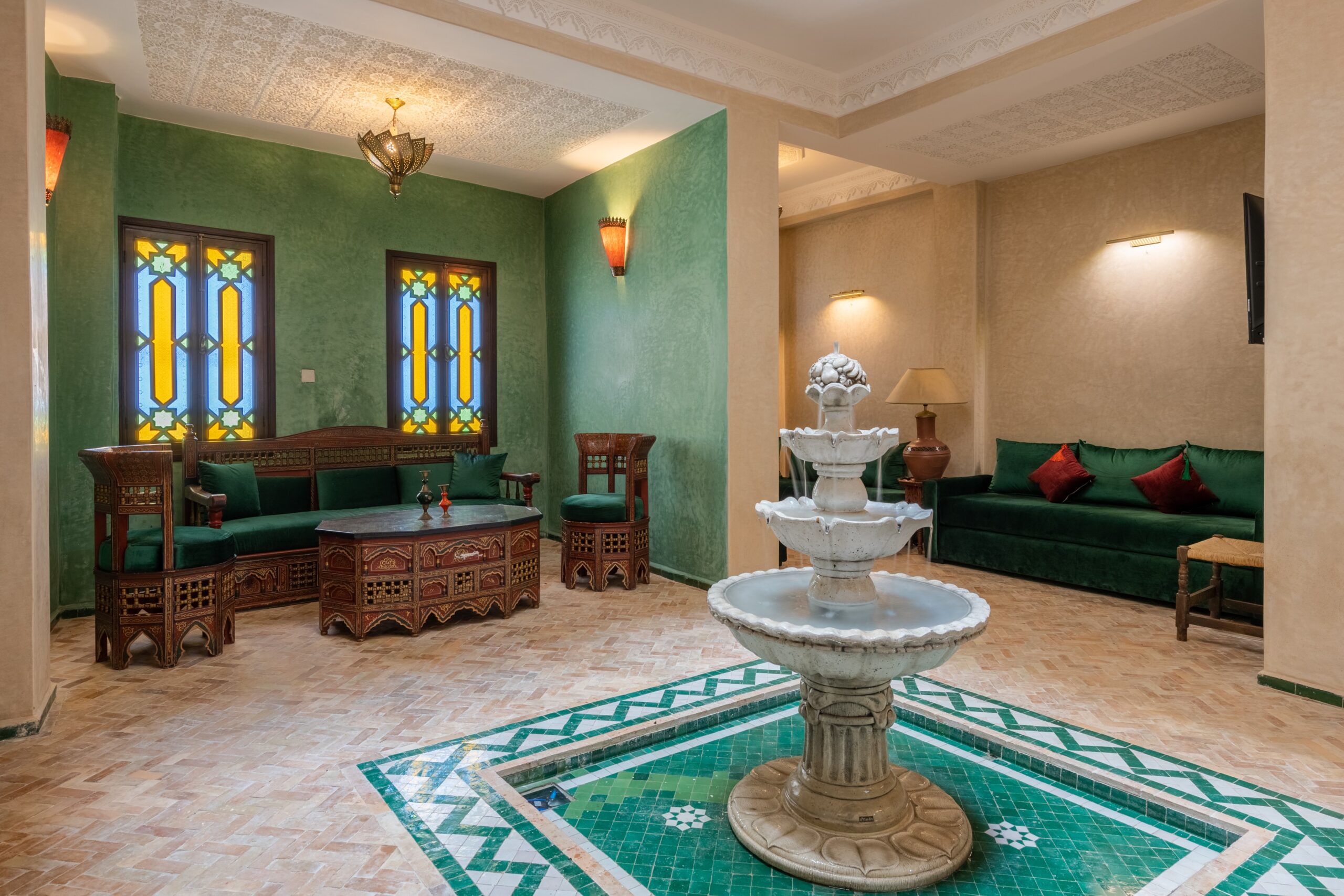
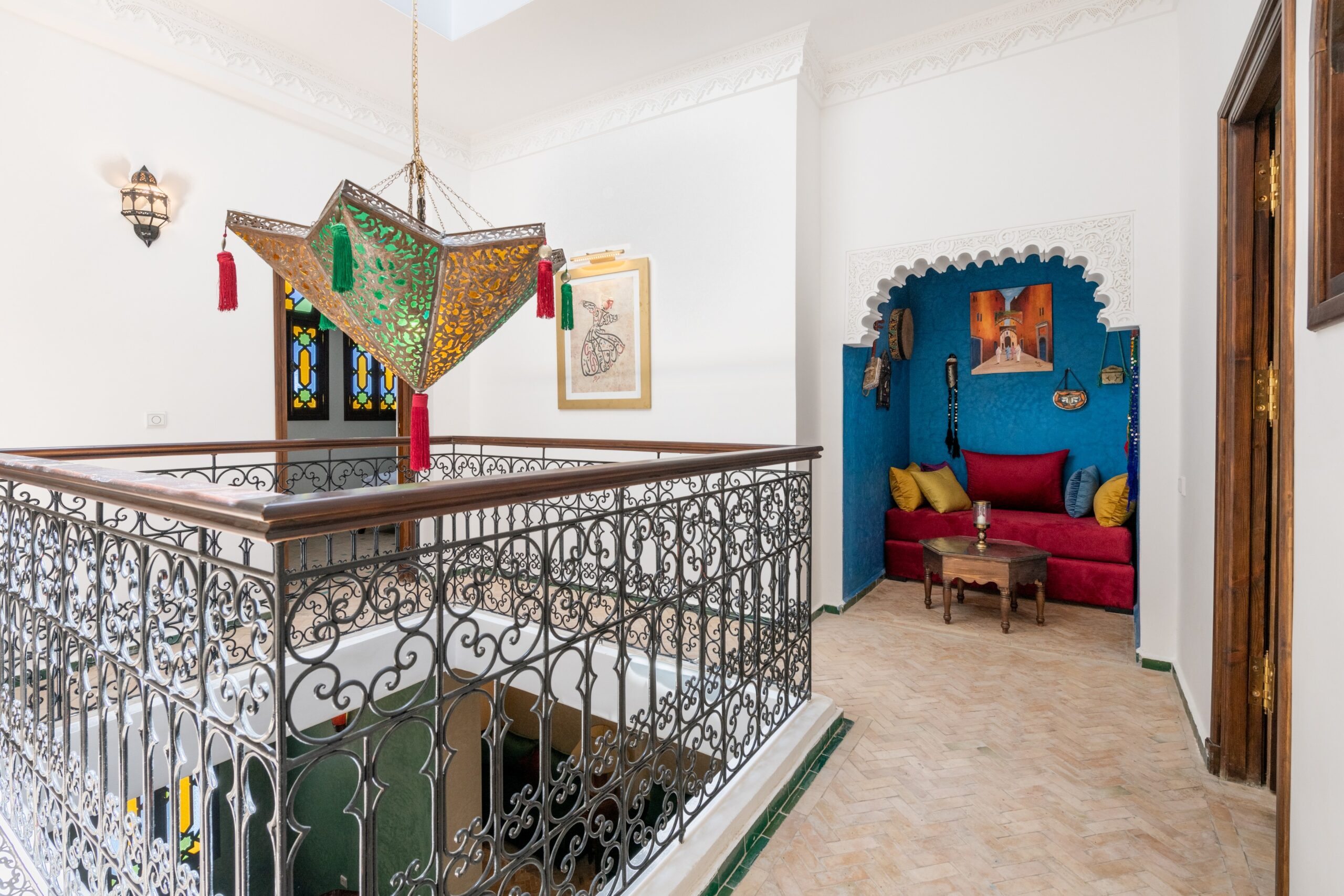
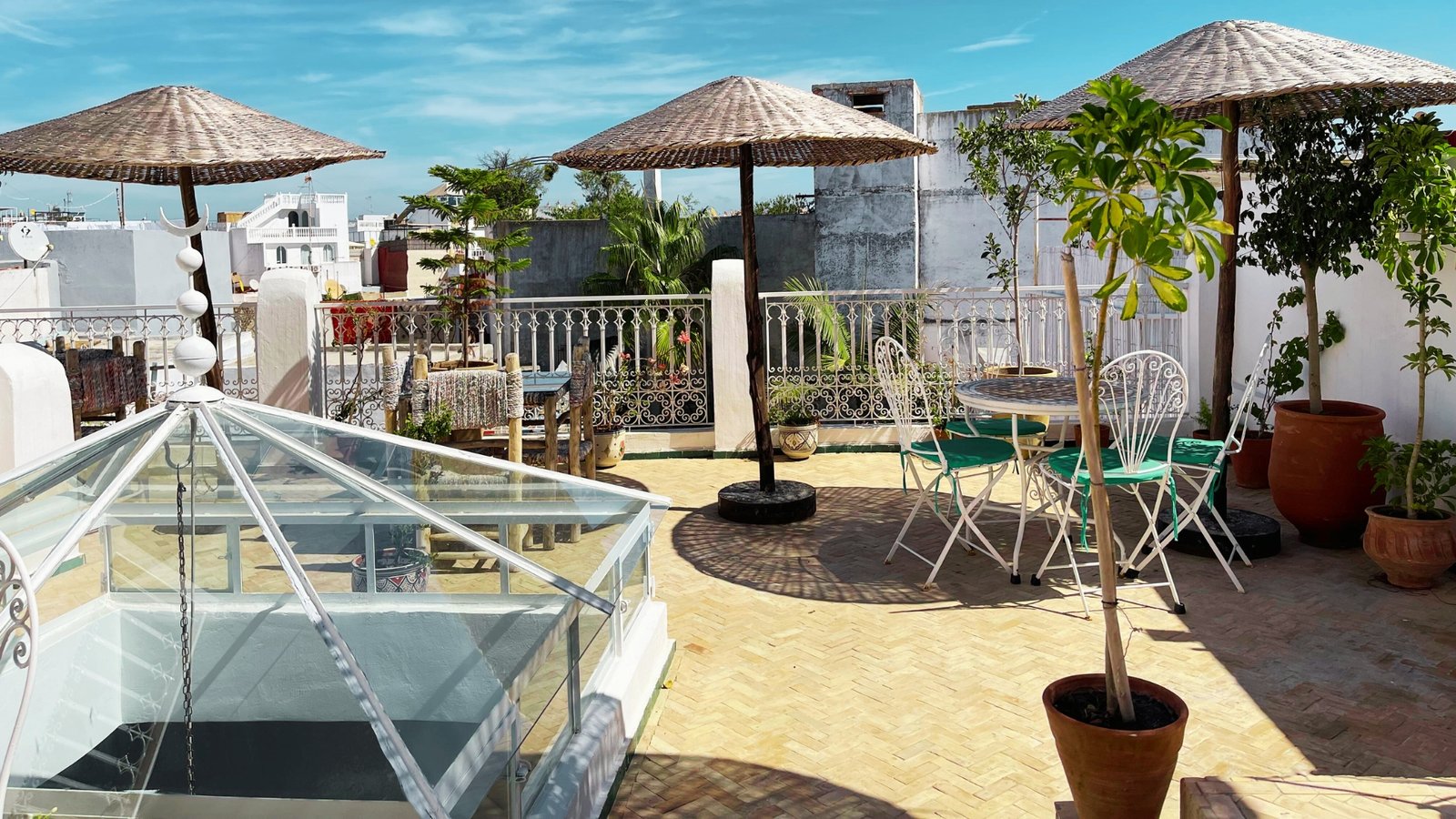
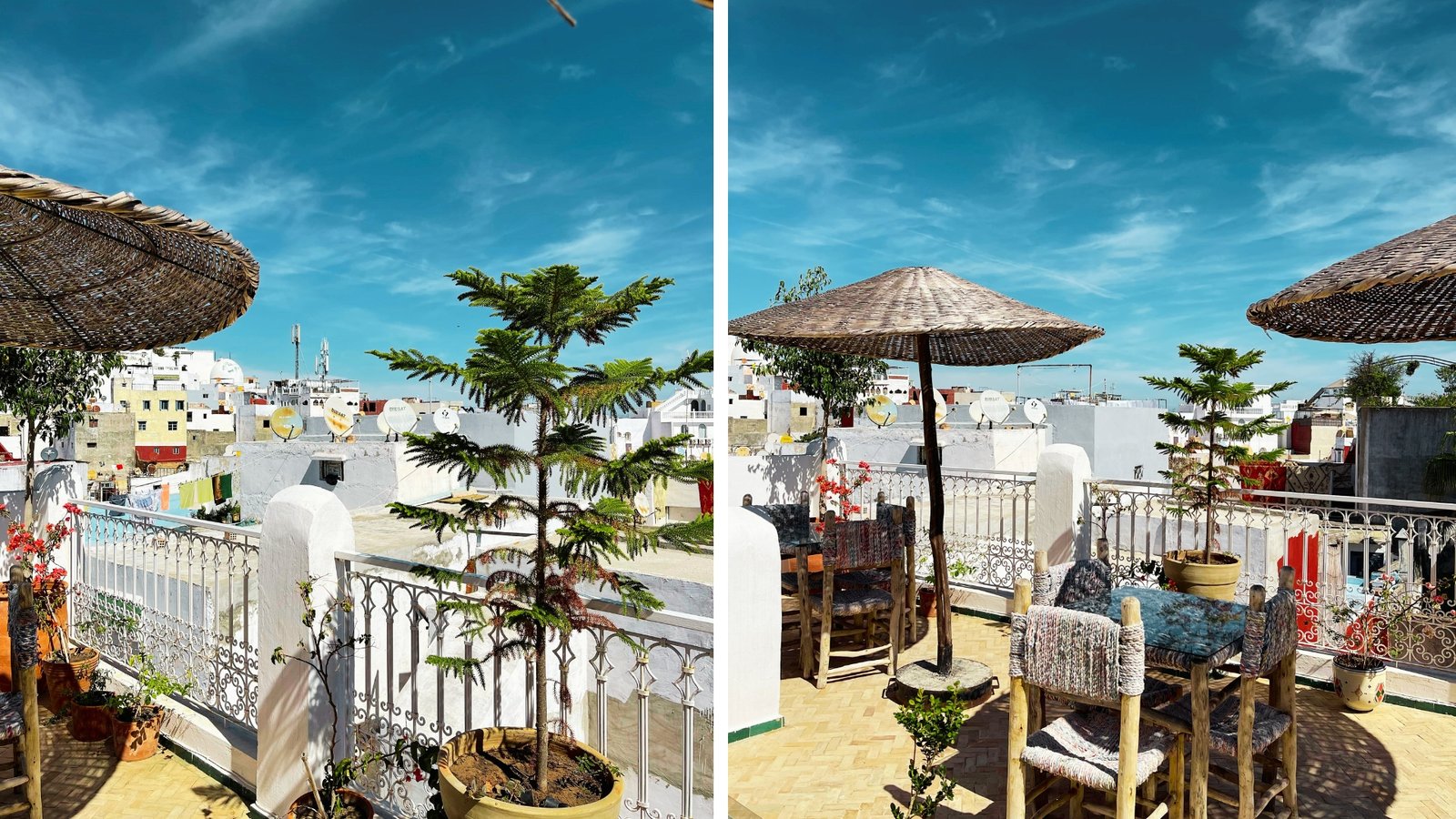
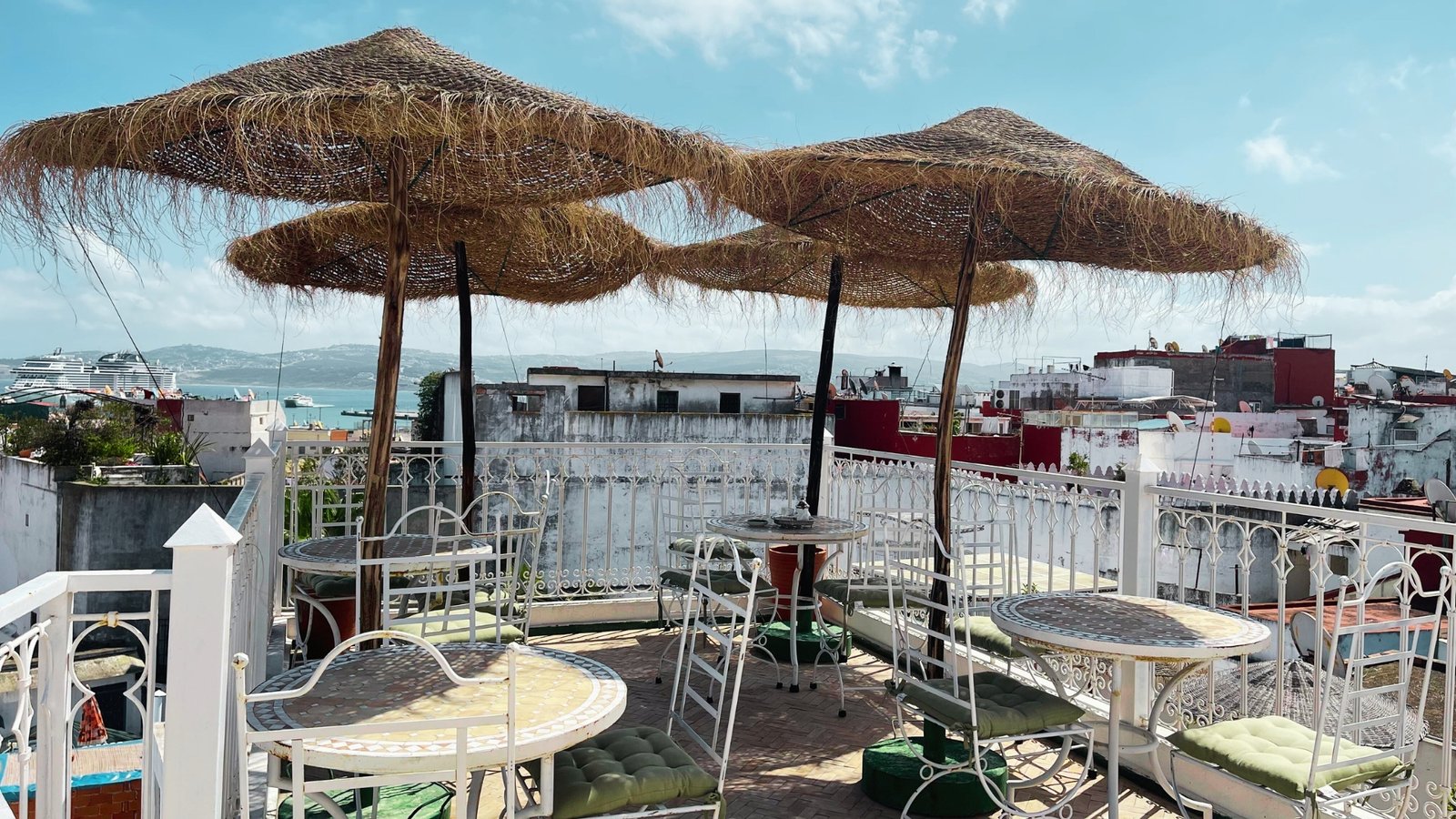
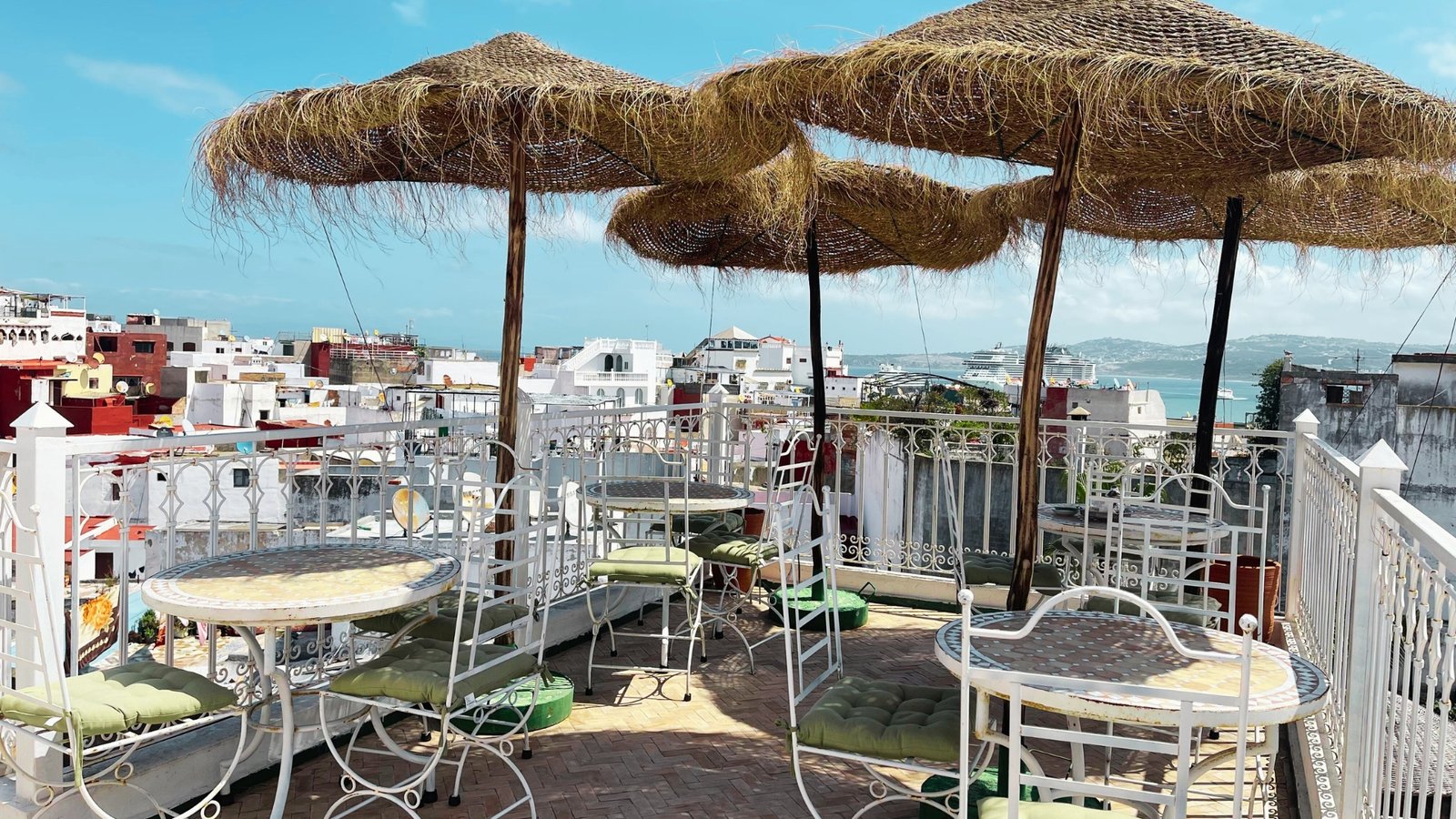
For travelers looking to immerse themselves in the heart of the Spanish-influenced Kasbah Medina, Riad Sultana Tangier offers an authentic and enchanting accommodation choice. Situated just minutes from the Gran Teatro Cervantes, this charming guesthouse combines traditional Moroccan aesthetics with comfortable modern amenities. Staying here provides:
- Immersive Location: Live within footsteps of historical Spanish and Moroccan landmarks.
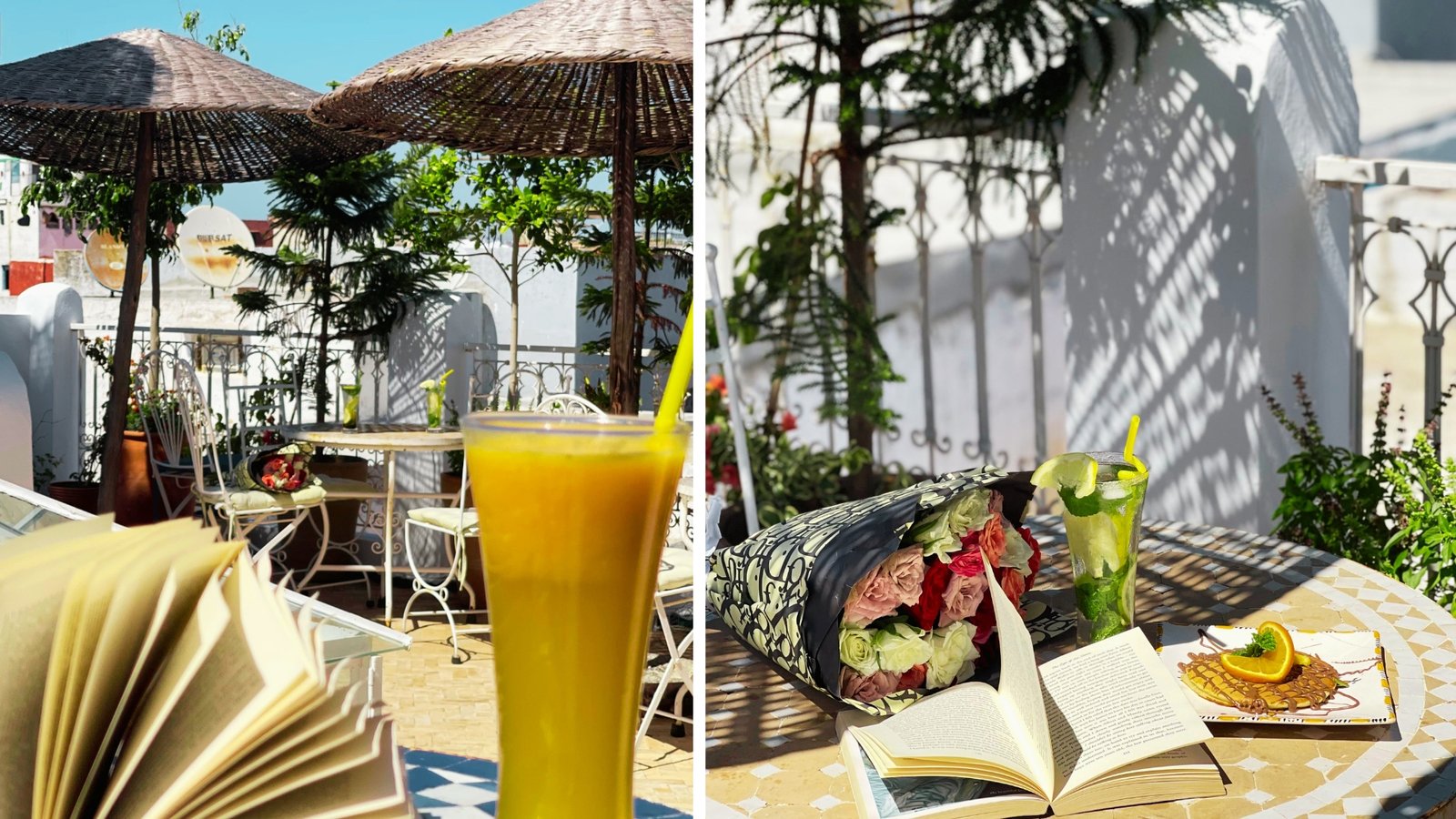
- Tranquil Atmosphere: A serene retreat from bustling city streets, ideal for romantic and cultural stays.
- Genuine Hospitality: Experience local warmth and personalized service that enhances your Tangier adventure.
Exploring Tangier’s Spanish heritage is best enjoyed when staying in the Kasbah’s historic heart, and Riad Sultana’s authentic ambiance adds depth to this cultural journey. Learn more about this welcome refuge at Riad Sultana Tangier.
Frequently Asked Questions (FAQs)
Q1: What is the historical importance of the Gran Teatro Cervantes in Tangier?
The Gran Teatro Cervantes is a landmark representing Spanish cultural influence in Tangier during the protectorate era. It served as a central hub for theatrical and cultural performances, symbolizing the city’s multicultural heritage.
Q2: Is the Gran Teatro Cervantes currently open to the public?
While the theatre has undergone restoration efforts, public access varies. It’s best to check local tourism sources or inquire through nearby accommodations like Riad Sultana for the latest visitor information.
Q3: Can I visit other Spanish heritage sites in Tangier besides the Gran Teatro Cervantes?
Yes, several buildings, churches, and neighborhoods in Tangier showcase Spanish architectural influence alongside Moroccan styles, particularly in the northern parts of the city and the former Spanish Quarter.