
Estimated reading time: 6 minutes
- Tangier’s International Zone was a unique political arrangement facilitating cultural exchange.
- The diverse influences from multiple nationalities shaped the architecture and lifestyle of Tangier.
- Key historic sites provide insights into the International Zone’s legacy.
- Staying in the Kasbah Medina offers an authentic experience of Tangier’s rich history.
Table of Contents
- What Was the International Zone in Tangier?
- Cultural Impact of the International Zone on Tangier
- Practical Insights for Travelers Interested in Tangier History
- Experience Tangier History with a Stay in the Kasbah Medina
- FAQs About Tangier History and the International Zone
What Was the International Zone in Tangier?
The International Zone of Tangier was a unique political arrangement from 1923 until 1956, whereby Tangier was administered jointly by several countries including France, Spain, the United Kingdom, and later others. This status made the city a melting pot of cultures, laws, and international intrigue, placing it outside the Moroccan Sultan’s direct control and beyond the ordinary colonial rules applied elsewhere in Morocco.
Origins of the International Zone
The establishment of the International Zone was primarily motivated by Tangier’s strategic importance as a gateway between Europe and Africa, and its desirable Atlantic port. European powers sought to maintain influence without triggering rivalry that might disrupt trade or political balance in the region.
- 1923: The zone was officially created by international convention.
- Governance: A multinational administration managed Tangier’s affairs, which included its police force, courts, and customs.
- Neutrality: It acted as a neutral territory, which attracted diplomats, secret agents, artists, and expatriates.
Cultural Impact of the International Zone on Tangier
During this era, Tangier transformed into an extraordinary cultural hub. The coexistence of multiple nationalities enriched its urban fabric, architecture, and way of life, leaving a legacy that still characterizes the city today.
Cosmopolitan Atmosphere
Tangier became known for its vibrant blend of cultures, where Arabs, Berbers, Europeans, and Jews lived side by side. This cultural mosaic is evident in:
- Architecture: European Art Deco and Moorish styles appear side by side throughout the city.
- Language: A mix of Arabic, French, Spanish, English, and various dialects.
- Lifestyle: Cafés, jazz clubs, and artistic salons flourished during this period.
Notable Residents and Visitors
Tangier attracted a variety of intriguing figures throughout the International Zone era, contributing to its mystique:
- Writers such as Paul Bowles, William S. Burroughs, and Tennessee Williams were drawn by the city’s free spirit.
- Spy networks operated with impunity during World War II.
- The city was nicknamed “The Gateway to Africa” for its multicultural appeal.
Practical Insights for Travelers Interested in Tangier History
If you’re passionate about history and want to explore the tangible remnants of the International Zone period, here’s how to navigate Tangier’s historic landscape:
Key Historic Sites to Visit
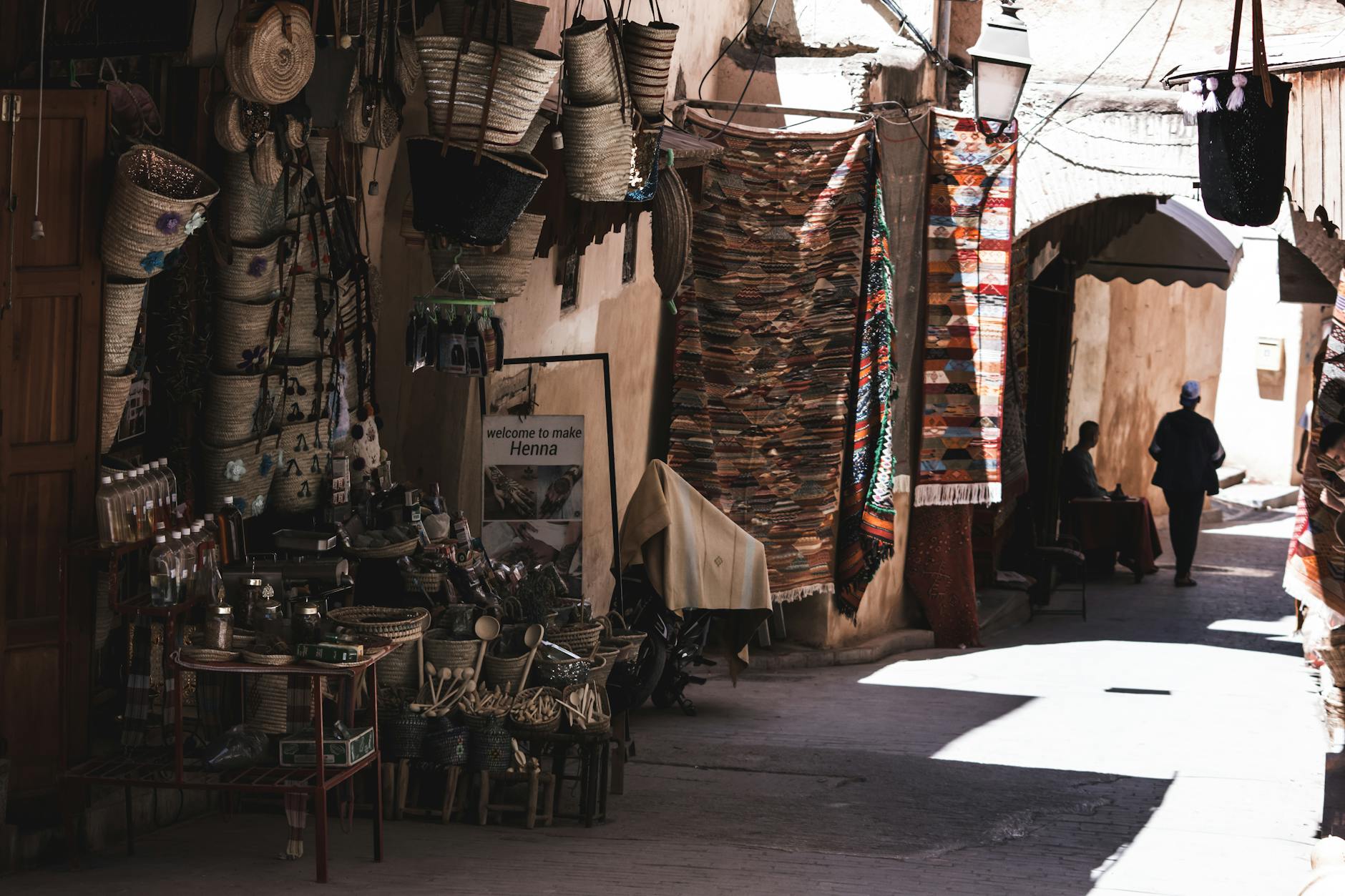
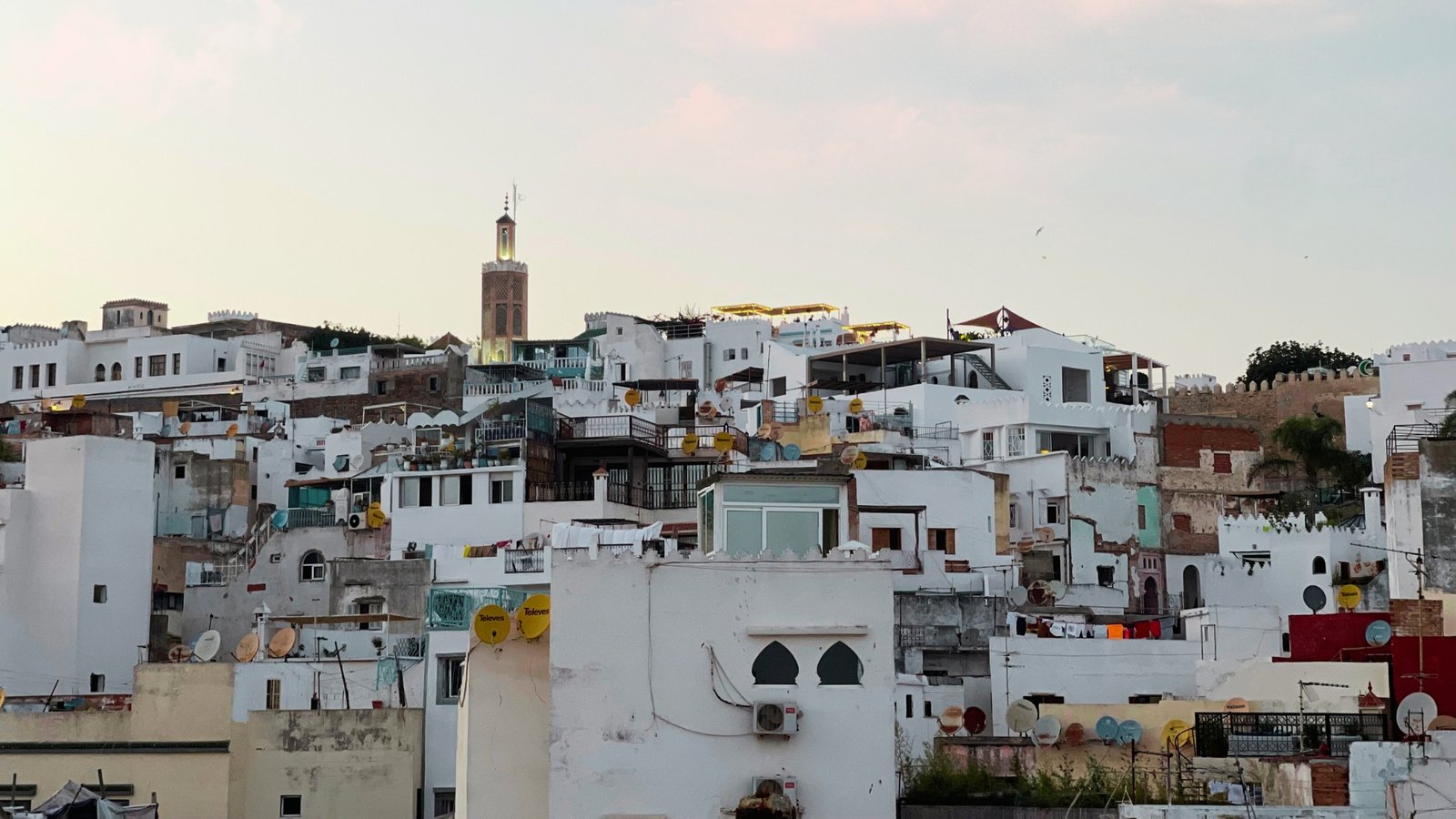
- The Kasbah Medina: The old fortified city where the multicultural heart of Tangier beats. Wander through its narrow streets to discover palatial riads, aged mosques, and Spanish influences.
- Grand Socco and Petit Socco: Historic squares where locals and travelers mingled during the International Zone. These bustling hubs still retain their eclectic charm.
- American Legation Museum: A reminder of U.S. diplomatic presence in Tangier dating back to the 18th century, this museum offers rich exhibitions about Tangier’s international ties.
Understanding Local Culture
- Engage with local artisans in the medina to see the crafts influenced by the city’s international heritage.
- Savor the culinary fusion—from traditional Moroccan tajines to Mediterranean and European-influenced dishes served in old cafes and modern bistros.
Experience Tangier History with a Stay in the Kasbah Medina
To truly immerse yourself in Tangier’s unique historical and cultural ambiance, accommodation in the Kasbah Medina is highly recommended. Here, visitors can experience the legacy of Tangier History amid stunning architecture and vibrant local life.
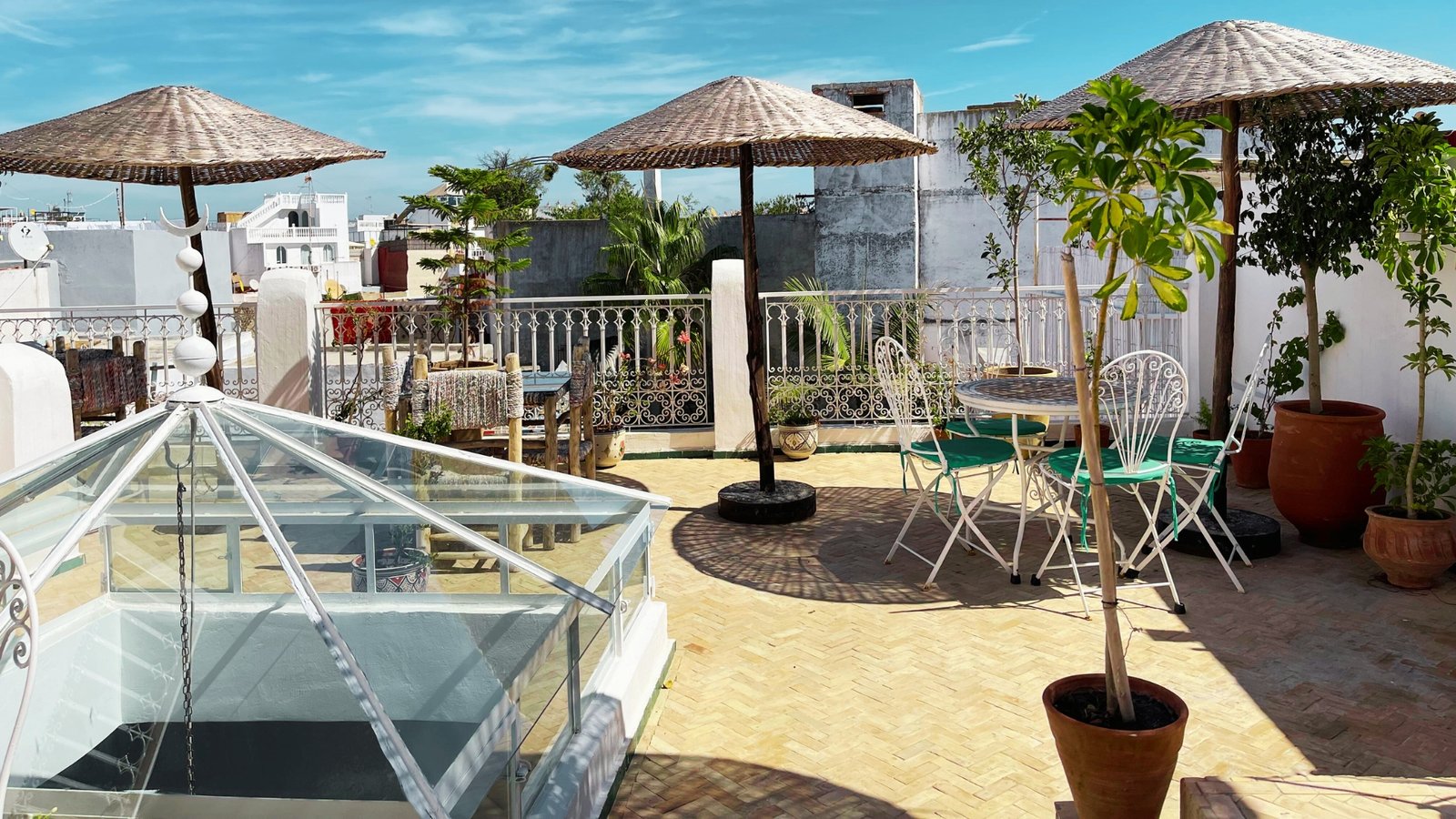
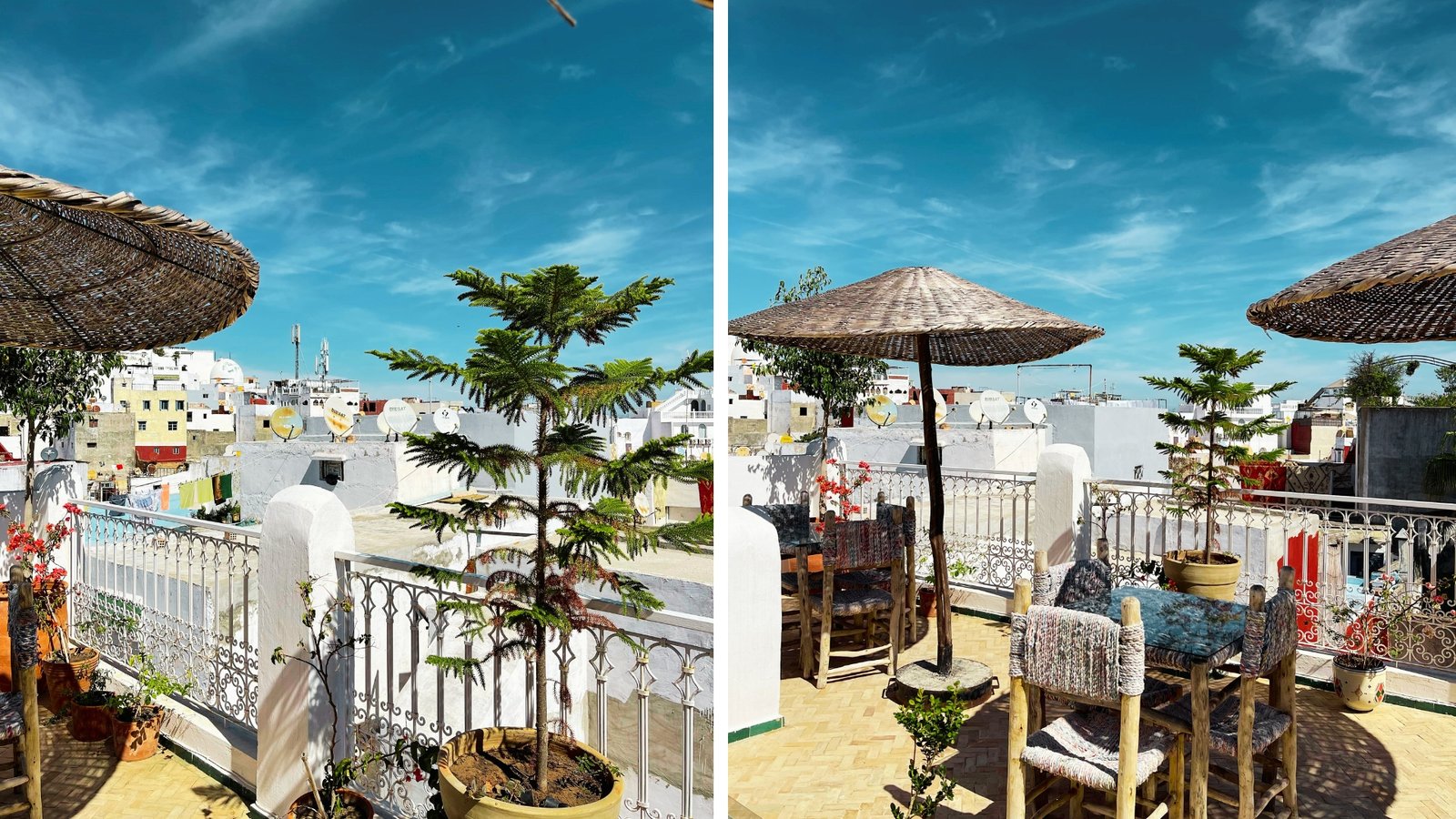
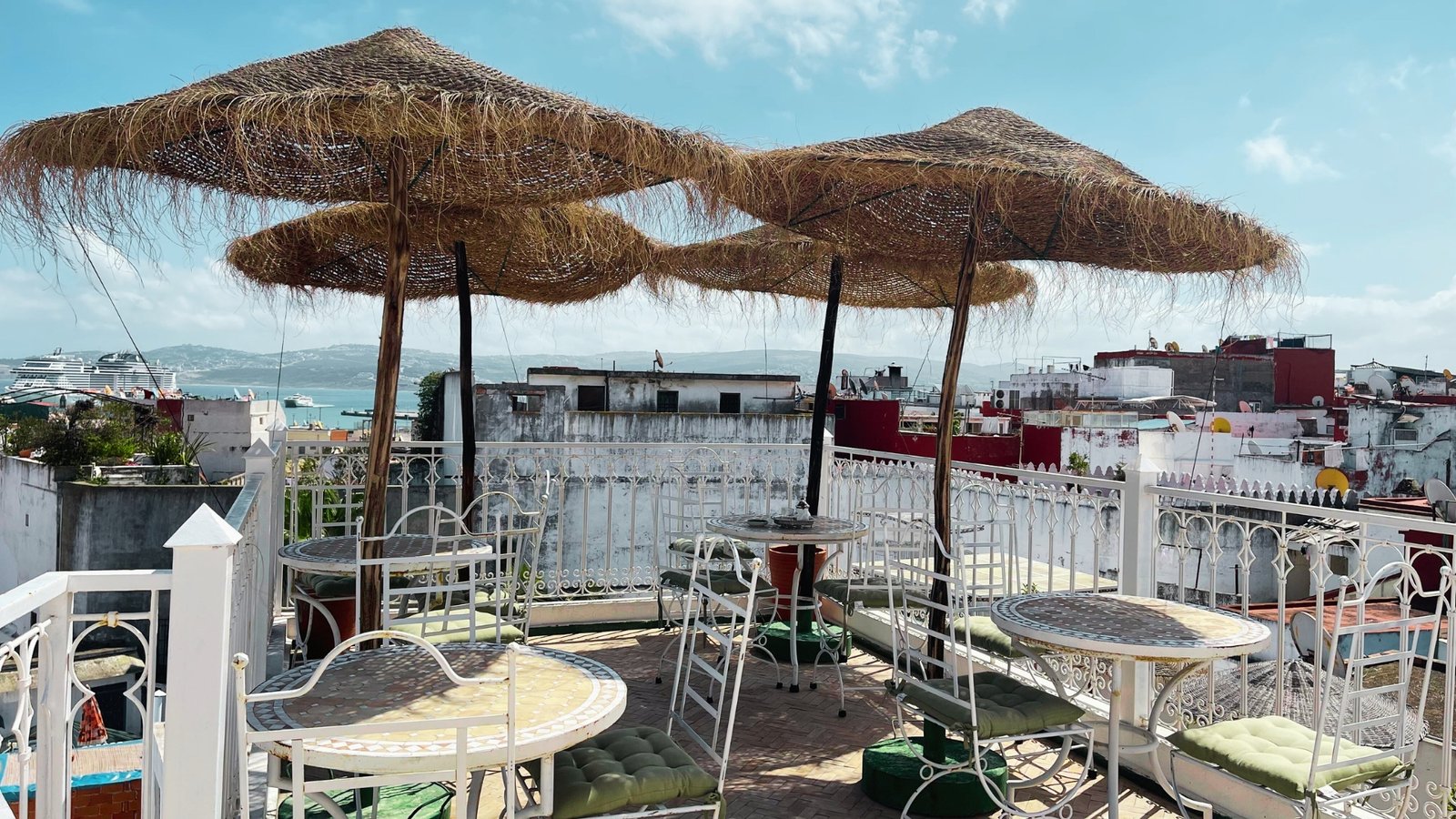
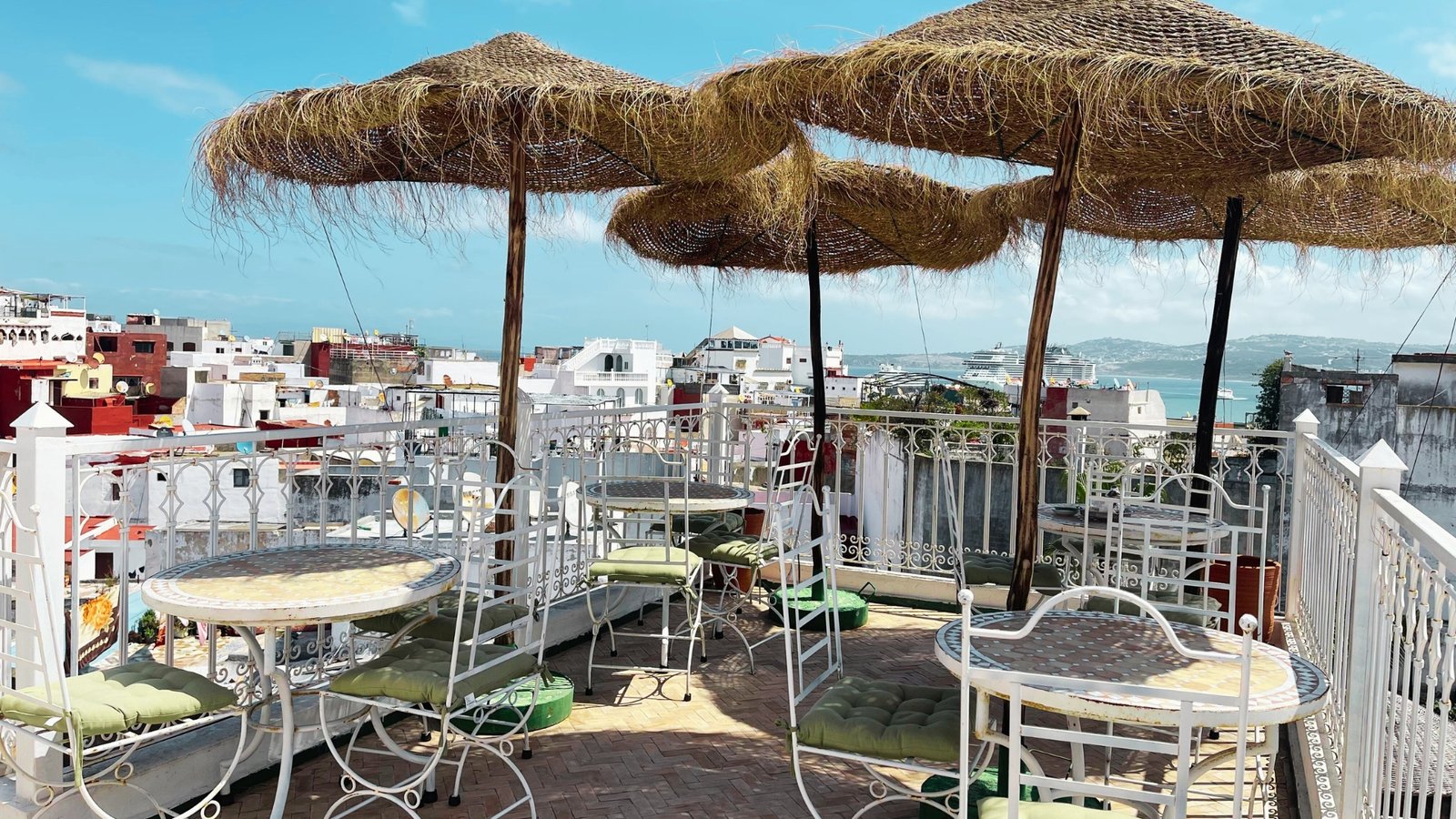
One exceptional option is Riad Sultana Tangier, nestled within the heart of the Kasbah Medina. This charming guesthouse beautifully captures the essence of Tangier’s past with:
- Traditional Moroccan craftsmanship blended with tasteful modern touches.
- A quiet, secure retreat within an ancient fortress area.
- Easy access on foot to Tangier’s historic sites, local markets, and vibrant cafes.
Staying at Riad Sultana enhances your connection to the city’s cultural layers, offering a warm and authentic experience deeply rooted in Tangier’s storied past.
FAQs About Tangier History and the International Zone
1. What made Tangier’s International Zone so unique compared to other Moroccan cities?
Tangier’s International Zone was unique due to its multinational governance, making it a neutral, cosmopolitan enclave distinct from colonial-controlled Moroccan cities.
2. How did the International Zone period influence Tangier’s architecture?
The period introduced diverse architectural styles, including Art Deco and Spanish colonial elements, blending with traditional Moroccan designs found throughout the city.
3. Is it safe to visit the Kasbah Medina when exploring Tangier’s history?
Yes, the Kasbah Medina is safe for travelers and offers a fascinating glimpse into the city’s history. Staying at a guesthouse like Riad Sultana Tangier provides additional comfort and security.